Plant Safety Protocols Need to Keep Up With the Heavily Automated Fulfillment Center
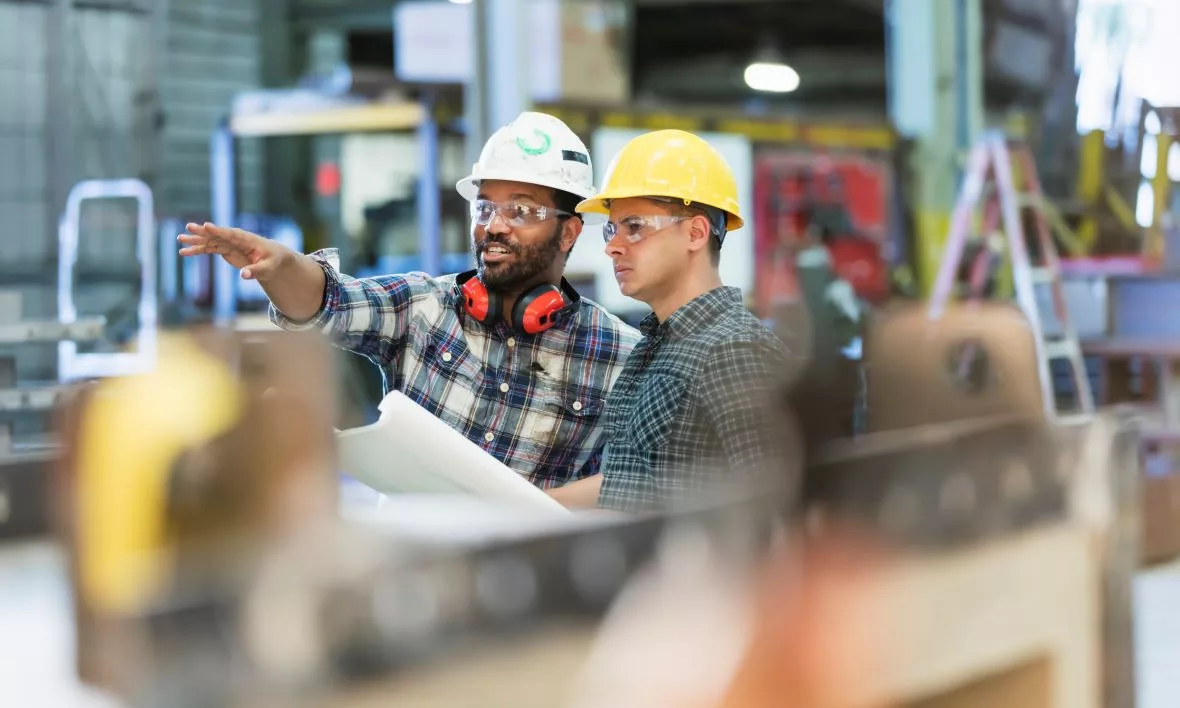
Credit: kali9 / E+ / Getty Images
Technology has sped up warehouse operations at an impressive pace, but automated safety protocols have struggled to keep up. Many facilities still rely on safety rules for environments where people do all the heavy lifting. When the equipment on the floor dramatically shifts, the rules protecting the people around it also need to change.
A New Framework for Warehouse Risk Assessment
Traditional risk assessments focus on slips, falls and manual handling injuries. Those risks still exist, but they now share the floor with a different set of dangers. A study found that warehouse automation did not reduce overall injury rates. Instead, it shifted the types of injuries workers experienced. Repetitive strain went up while certain manual handling injuries dropped.
Starting with an updated risk picture gives safety teams a foundation that reflects the facility they manage today instead of the one they handled years ago. An updated risk assessment should look at:
- Pinch points and crush zones near autonomous mobile robots
- Repetitive strain caused by the pick-and-pack station design
- Software glitches or sensor blind spots that change how machines move without warning
- Human-robot collaboration hazards that conventional safety audits do not cover
Core Updates for Your Automated Warehouse Safety Protocols
Once the risk assessment reflects the facility's actual layout, the next step is to update the protocols. Three areas demand the most attention.
Dynamic Zoning and Traffic Management
Static floor markings and fixed barriers made sense when forklifts followed predictable routes. However, as warehouse operations grow increasingly automated, AI integrations can optimize routes and enhance inventory management, reducing human error. Safety zones must be flexible to accommodate shifting priorities and increased automation. During peak seasons, routes and priorities can shift dramatically within days.
Geofencing software lets you set virtual boundaries that move with robot activity instead of staying fixed. When someone walks into a shared zone, the system can automatically slow or even stop nearby machines. If you add real-time location tracking, you can also start seeing actual traffic patterns, such as where people cluster and where the layout needs attention.
Advanced Training for a Hybrid Workforce
Most safety training still revolves around forklifts and lockout/tagout, but that is not enough when workers share the floor with autonomous machines. Staff need to know how the robots around them behave and what to do when something looks off.
Training in these facilities works better when it includes:
- Drills that walk employees through real responses to unexpected robot stops or path changes
- Clear direction on where every emergency stop button is and how manual overrides work
- Refreshers based on real incidents from the floor, split by role, so a technician and a picker get different content
Rethinking Personal Protective Equipment
Most personal protective equipment (PPE) assumes that the biggest threats are falling objects and loud machinery. Automated environments change that picture. Someone working next to a high-speed sortation line might need impact-resistant arm guards. Someone working with a collaborative robot might get more value from a sensor-equipped wearable than a hard hat.
The British Safety Council reported that AI-powered wearables are already changing how companies monitor health and safety on the job. These devices can detect fatigue, flag repetitive motion patterns and alert workers before they enter restricted zones. PPE selection should match the risks each role faces instead of applying a blanket standard across the facility.
Using Technology for Proactive Safety Monitoring
Automated warehouse safety protocols work best with real-time data, allowing sensors to track foot traffic density, equipment speed and environmental conditions. When IoT-driven real-time data collection feeds into a centralized dashboard, safety managers can spot trends early.
Predictive analytics takes this a step further by enabling safety teams to identify high-risk zones and time windows based on patterns. A spike in near-miss reports during a particular shift says something about staffing levels, fatigue or workflow design during that window.
Acting on these signals turns safety management into a forward-looking activity. The data already exists in most automated facilities, but the real challenge is building the workflows and accountability structures that consistently put it to use.
Managing Human-Robot Collaboration Hazards
Human-robot collaboration hazards go well beyond the physical. Research found that workers who regularly operate alongside robots experienced a decline of up to 6.8% in their sense of meaningfulness and an increase in job insecurity. The psychological toll is real, and it directly affects how safely people carry out their tasks.
A separate study examined trust dynamics between workers and cobots. Scientists found that when workers did not trust the machines, they were more likely to override safety systems or to use equipment incorrectly. Building that trust requires transparency about how the machines make decisions and giving workers a voice in how those systems get rolled out.
Safety protocols should address both the physical layout of shared workspaces and the human experience of working in them. Ignoring the psychological side leaves a gap that incident data alone cannot address. Regular check-ins with frontline workers and open forums can identify concerns that would otherwise never reach formal reporting channels.
A Living Document for Continuous Improvement
Safety protocols should never just sit untouched in a binder. Every software update or layout change can introduce new risks. Quarterly reviews are a reasonable starting point, but the most effective programs also trigger reviews after any significant operational change. Logging each update with a reason and a date gives the team a transparent audit trail when something goes wrong.
Automated warehouse safety protocols stay relevant only when the people closest to the work have a direct line to the people writing them, so it is important to build feedback loops into the audit process. Frontline workers often notice hazards before they appear in formal reports. An accessible reporting system that workers actually use gives safety teams better data and faster response times.
The Future of Warehouse Safety Is Proactive
The shift toward automation is unlikely to slow down, so safety guidelines should evolve alongside the technology to protect workers. A proactive and data-informed approach will keep people safe and operations moving.
Looking for a reprint of this article?
From high-res PDFs to custom plaques, order your copy today!