Extending the Life of Aging Coal Plants Requires Modern Approach to Safety
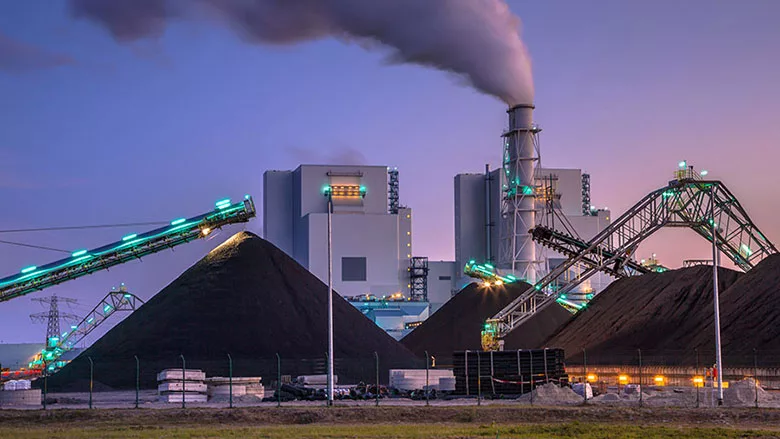
For the last several decades, the future of coal-fired power generation in the United States seemed predictable: aging plants would steadily retire as newer energy sources replaced them. However, the reality is much more complex. A sharp increase in energy demand due to the rapid growth of power-intensive AI, combined with ever-evolving policy priorities are reshaping those assumptions. As a result, coal facilities that were once scheduled for closure are now expected to operate longer, placing renewed pressure on operators to modernize safety strategies in facilities designed for a different era.
It’s not exactly breaking news that operating legacy plants under modern regulatory and performance expectations introduces complex safety challenges. To further complicate matters, the layouts of these aging facilities can muddle hazard mitigation efforts. At the same time, the workforce supporting these facilities is aging, increasing the risk of knowledge loss and compounding operational safety concerns.
To maintain safe and compliant operations, coal plant operators must rethink traditional approaches from the ground up to include modernizing equipment and re-skilling the workforce. Both are massive undertakings, but they are absolutely critical for improving safety in aging coal facilities.
Modernization Must Begin with Engineering Controls
Aging infrastructure remains one of the most significant contributors to risk in coal-fired facilities. Equipment such as conveyors, ventilation systems, and dust collection components often operate well beyond their original design lifespan, increasing exposure to airborne hazards like coal ash and respirable crystalline silica. Mechanical degradation also increases the likelihood of equipment failures that can result in serious injuries or operational disruptions.
To protect workers, modern safety improvements must prioritize engineering controls that eliminate or isolate hazards at their source. A structured modernization strategy typically begins with a comprehensive evaluation of plant systems, including mechanical integrity, ventilation performance, and regulatory compliance. From there, operators can prioritize upgrades that provide the greatest risk reduction while minimizing operational disruption.
Safer Access Design Reduces High-Risk Exposure
Veteran workers often possess deep familiarity with plant equipment, site-specific hazards, and historical incident lessons that are difficult to replace.
Many legacy coal facilities were not designed with routine safety in mind. In fact, workers often have to navigate treacherous conditions like confined spaces, elevated work areas, or obstructed pathways to perform essential tasks, substantially increasing their risk of injury and exposure to airborne contaminants. Engineering safer access routes can dramatically reduce these risks. Whether it’s installing permanent platforms or creating stable pathways, these improvements allow workers to perform tasks safely and efficiently. Another option is relocating controls and service points to accessible areas, further reducing the need for hazardous workarounds.
Workforce Demographics Create Emerging Safety Vulnerabilities
In addition to infrastructure challenges, coal facilities face a growing workforce transition. A significant portion of the energy workforce is nearing retirement, creating a potential loss of critical institutional knowledge. Veteran workers often possess deep familiarity with plant equipment, site-specific hazards, and historical incident lessons that are difficult to replace.
Without structured knowledge transfer programs, organizations risk losing operational insight that supports safe decision-making. Mentorship programs that pair experienced employees with newer workers are becoming essential tools for preserving safety knowledge. Scenario-based training programs grounded in real-world plant hazards also help reinforce situational awareness.
Digital training platforms and workforce qualification tracking systems further strengthen safety outcomes by ensuring consistent training verification and competency monitoring across both employees and contractors. These tools help standardize procedures and prevent unsafe legacy practices from continuing unchecked.
Applying the Hierarchy of Controls Remains Foundational
The hierarchy of controls provides a clear, structured framework for managing risk in coal-fired power plants. Eliminating hazards through process redesign or equipment upgrades delivers the highest level of protection and should always be the first consideration. When elimination is not feasible, engineering controls such as enclosures, machine guarding, and improved ventilation offer the next most effective means of reducing worker exposure.
Administrative controls further support these efforts by standardizing how work is performed. Job hazard analyses, scheduling protocols, and documented procedures help reinforce safe practices, while targeted training ensures workers understand site-specific hazards and changing operating conditions.
In highly regulated environments like coal-fired facilities, consistent documentation and disciplined implementation of these controls are especially critical. Clear records and ongoing verification help ensure safety protections remain effective as facilities age and operations evolve.
Safety Modernization Supports Both Compliance and Reliability
As coal plants continue operating longer than originally planned, it’s becoming clear that safety modernization can’t stop at equipment upgrades alone. Modern hardware matters, but it’s only part of the equation. Hiring strategies, contractor oversight, workforce training, and compliance management all play equally important roles in shaping day-to-day safety performance.
When organizations align infrastructure improvements with workforce development and digital safety systems, the impact compounds. Risks are identified earlier, and safety expectations are clearer for both employees and contractors. Just as importantly, these efforts help maintain operational continuity at a time when reliability is under increasing scrutiny.
Extending the life of aging coal facilities is ultimately a balancing act that requires careful attention to workforce protection. By investing in modernization strategies that address both physical conditions and human risk factors, operators can move beyond short-term fixes and build safer, more resilient operations that are equipped to perform well into the future.
Looking for a reprint of this article?
From high-res PDFs to custom plaques, order your copy today!


