Why Underperforming Dust Collection Systems Put Facilities at Risk
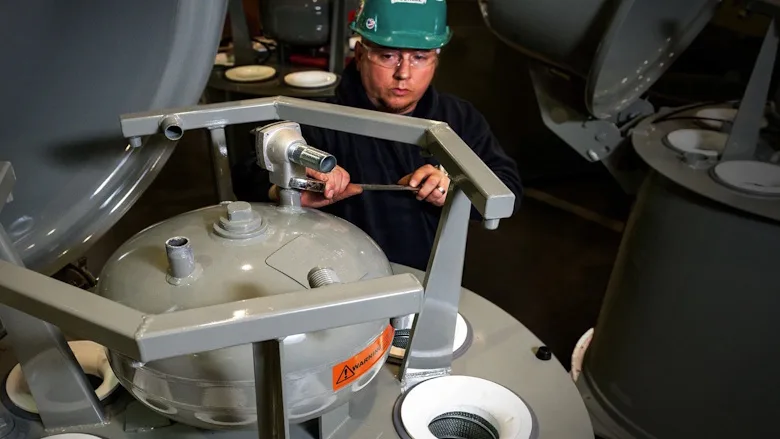
The air we breathe has a huge impact on our overall health and happiness, especially in demanding industrial settings. While most facilities likely have some sort of dust collector in place, there’s a substantial difference in simply having that equipment installed and achieving effective dust containment.
Many operators believe they are compliant with federal and local regulations; however, a surprising number of dust collection systems are underperforming, creating a dangerous gap between perceived compliance and actual worker protection. This is particularly problematic now as the Mine Safety and Health Administration (MSHA) and Occupational Safety and Health Administration (OSHA) increase scrutiny around respirable dust and silica exposure. The good news is that technology exists today that can capture up to 99.9% of fugitive dust emissions when engineered properly and paired with the right components.
How Dust Impacts Industrial Operations
Within many operations, dust is not just created in one location, but wherever material is disturbed, moved, stored or packed. Dust generation is a continuous byproduct of normal industrial operations, which means effective containment is a critical health, safety and operational concern. Take Mining, Mineral Processing and Aggregate operations, for example. Within these operations, the most common areas where dust is created include conveyor transfer points, crushing and screening, unloading and receiving areas, and packaging and bagging stations.
The greatest risk at these points often comes from the dust operators cannot see. Fine and respirable particles, including crystalline silica and other hazardous dusts, can remain suspended in the air long after visible dust clouds dissipate. Without a properly engineered dust collection system in place, there’s a high risk your equipment is underperforming and allowing hazardous materials to linger.
Beyond employee exposure concerns, uncontrolled dust can impact nearly every aspect of an operation. Dust accumulation can increase equipment wear, drive higher maintenance costs, contribute to unplanned downtime and create compliance and regulatory risks. Over time, these challenges can affect productivity, operational efficiency and bottom-line performance, making effective dust collection a critical driver of facility performance.
Warning Signs That Your Equipment is Underperforming
The most obvious sign that your dust collector isn’t working as intended is seeing visible dust escape. Noticeable airborne dust, dust spray around transfer points or fugitive emissions near processing equipment often indicate that dust is not effectively contained. This dust may also accumulate on floors and other equipment surfaces.
Additional signs of underperformance include increased housekeeping requirements, recurring maintenance issues, reduced system efficiency and ongoing dust-related challenges despite the equipment appearing to operate normally. In many cases, these symptoms point to underlying airflow, system design or dust collection issues that impact overall performance.
Many dust collection systems that are underperforming don’t exhibit obvious equipment failures. The collector may be running. Filters may be cleaning. The fan may be operating. However, dust can still be escaping due to airflow imbalances, poor hood design, insufficient pickup velocities, process change or system designs that were never optimized for the application. In some cases, the issue isn’t the dust collector itself, but how air moves through the system.
The Importance of Airflow Engineering
All too often, facilities focus primarily on the collector itself rather than the performance of the entire system. Each system component must be optimized for its respective setting and the kind of dust being contained. There are several design elements operators should consider when looking at implementing dust collection systems.
Controlling airflow at discharge points is critical to dust collector performance. When discharge components aren’t matched to the system, airflow imbalances can develop that reduce capture efficiency and compromise overall performance.
The hood and related enclosures are equally important, along with fan horsepower. Dust should be captured as close to the generation point as possible, with airflow directed so contaminants are not pulled through a worker’s breathing zone. OSHA recommends that hoods have good air distribution, be located close to the source and account for cross-drafts, which can dramatically reduce effectiveness.
Once dust is captured, airflow velocities within the ducting must stay high enough to keep particles suspended and prevent settling, buildup and plugging. This requires careful branch sizing and balanced duct design to maintain performance system-wide.
Dry dust collectors, commonly used in heavy industrial settings, are sized according to air volume requirements, ranging from small single-point systems to large centralized systems.
What Safety Leaders Should Audit Now
Making the right dust collection system design choices now means your facility will remain compliant during your next safety audit or inspection.
Safety leaders need to look beyond their dust collector and evaluate whether their entire dust collection system is performing as designed. and keeping employees safe. Start by auditing areas where dust is generated. Look for visible dust accumulation on floors, structures and equipment, which can indicate escaping emissions. Review filter maintenance records, inspect ductwork for leaks or buildup and verify that pickup points are drawing adequate airflow.
Most importantly, determine whether dust is being captured at the source or flowing into employee work areas and breathing zones. A system that appears to be functioning can still leave workers exposed to particles as small as 2.5 microns if airflow is unbalanced, hoods are improperly designed or collection points are not optimized. Identifying and correcting these issues can improve employee protection, reduce compliance risk and ensure dust collection systems are delivering the performance you need.
Ultimately, dust collection is not just a compliance requirement or maintenance concern. It is a critical worker health and safety procedure. When dust is allowed to escape, employees are exposed to hazardous airborne particles that can affect respiratory health and create unsafe working conditions. A properly engineered dust collection system helps contain dust at the source and protects employees' breathing zones. For safety leaders, the goal should not be simply to have dust collection equipment in place, but to prove that it is performing where it matters most: in protecting the people who work around it every day.
Looking for a reprint of this article?
From high-res PDFs to custom plaques, order your copy today!