ISHN logo
search
cart
facebook twitter linkedin youtube
  • Sign In
  • Create Account
  • Sign Out
  • My Account
ISHN logo
  • NEWS
    • Today's News
    • Global Safety News
    • Government Regulations
  • PRODUCTS
    • Product Innovations
    • Featured Products
  • TOPICS
    • Environmental Health and Safety
    • Facility Safety
    • Workplace Health
    • Occupational Safety
    • PPE
    • More Topics
  • CONSTRUCTION
  • TECHNOLOGY
  • COLUMNS
    • Best Practices
    • Dave Johnson: What’s going on
    • Editorial Comments
    • Leading Safety
  • MULTIMEDIA
    • ISHN Podcast
    • Videos
    • Cold Stress Education Quiz
    • Webinars
    • White Papers
  • MORE
    • Buyer's Guide
    • Newsletters
    • Convention Companion
    • Polls
    • Events
    • ISHN Store
    • Sponsor Insights
  • EMAGAZINE
    • eMagazine
    • Archived Issues
    • Contact
    • Advertise
  • JOIN TODAY!

What about behavior-based industrial hygiene?

May 18, 2000
Following the classic argument that more accidents are caused by unsafe acts than unsafe conditions, behavior-based safety programs are touted as the best way to prevent or reduce injuries on the job. Since industrial hygiene usually goes hand-in-hand with safety, does this mean behavior-based safety includes a hygiene/health component as well?

I asked several safety and health professionals this question and received a quick "yes" from all of them. I wish they would have hesitated before answering because the correct response takes more thought.

Dan Petersen, a well-known safety professional who specializes in management and organizational behavior, commented on industrial hygiene factors such as physical conditions, health, record keeping, occupational diseases and ergonomics in the January, 1997, issue of Professional Safety. "Defining such efforts as behavior-based is a stretch," he said. Does this mean that behavior-based safety excludes industrial hygiene activities?

Motivation is key to behavior, and it's ironic that in psychological studies the classic approach to motivation is called "hygiene." The hygiene approach attempts to improve the environment through measures such as company policies, supervision, and working conditions.

But classic generally means outdated. Herzberg, a renowned theorist in human motivation in occupational environments, said the hygiene approach by itself is insufficient motivation. Even if a company provides the hygiene factors, Herzberg believed effective motivation also requires "job-enrichment"-challenging work that offers recognition for achievement, as well as professional growth opportunities.

Trying to figure out industrial hygiene's place in behavior-based safety is made more confusing by the debate over what behavioral safety is, and is not. Scott Geller, who writes regularly for ISHN on behavioral issues, has voiced concern about some people promoting wrong or incomplete ideas about the subject. You can find many interpretations.

Let's bring the discussion back to industrial hygiene. First, the idea that most accidents are caused by unsafe acts has its roots in the 1931 Industrial Accident Prevention text by W.H.. Heinrich, in which Heinrich states that 88 percent of all accidents are caused by unsafe acts. The rest are due to unsafe conditions. Most safety and health professionals today accept an 80/20 ratio for unsafe acts/unsafe conditions.

Heinrich never clearly distinguished injuries from illnesses. The question for industrial hygienists is: Do you believe that most occupational illnesses are caused by unsafe-or unhealthy-acts?

I'd strongly argue that the 80/20 figure should be reversed when considering occupational illness. Most such illnesses are caused by unhealthy conditions. I don't mean to diminish the impact that employee behavior can have; rather I want to establish intervention priorities. Regardless of what an employee does or does not do, if you select chemicals and products with lower hazards, properly install and operate ventilation equipment and other engineering controls, administer practices such as medical exams, and ensure proper use of personal protective equipment as a last resort, illness is unlikely to occur.

Steps to control the environment can't be taken without the support of management. Management's risk-based decisions determine whether carcinogens are controlled to the lowest possible level, or only to OSHA standards. Whether allowable noise levels are based on 85 dBA using a 3 dB doubling average, or 90 dB and a 5 dB doubling average. Whether exposure limits are set for all chemicals used in the workplace, or only ones with established PELs and TLVs. If preventing occupational illness and disease is your objective, management's behavior may be far more important than the behavior of employees.

The classic "hygiene" approach using environmental improvements to motivate behavior is not outdated, but you should systematically try to identify, measure and control management's shared mind-set on this strategy in order to achieve your goal.

Share This Story

Looking for a reprint of this article?
From high-res PDFs to custom plaques, order your copy today!

Recommended Content

JOIN TODAY
to unlock your recommendations.

Already have an account? Sign In

  • forklift safety

    Exploring the latest technologies in forklift safety

    With more staff and more stock in warehousing now more...
    Workplace Training Strategies
    By: Josh Cramer
  • welding

    All about welder’s flash or arc eye

    A flash burn is a painful inflammation of the cornea,...
    Environmental Health and Safety
  • dangerous jobs

    The 10 most dangerous jobs in the U.S.

    On-the-job deaths have been rising — hitting the highest...
    Government Safety Regulations
    By: Benita Mehta
Manage My Account
  • eMagazine Subscriptions
  • ISHN Newsletter & Other Newsletter Alerts
  • Online Registration
  • Manage My Preferences
  • Subscription Customer Service

More Videos

Sponsored Content

Sponsored Content is a special paid section where industry companies provide high quality, objective, non-commercial content around topics of interest to the ISHN audience. All Sponsored Content is supplied by the advertising company and any opinions expressed in this article are those of the author and not necessarily reflect the views of ISHN or its parent company, BNP Media. Interested in participating in our Sponsored Content section? Contact your local rep!

close
  • man wearing the the Sundström SR200 Full Face Mask Respirator
    Sponsored byOHD

    5 Fit Testing Mistakes That Could Cost You

  • This image shows Magid AcuSpex polarized blue mirrored safety glasses.
    Sponsored byMagid Glove and Safety

    Construction PPE Guide: What Crews Need for Each Task

  • lone worker in confined space
    Sponsored byAlphasense Ltd.

    GET THE LEAD OUT of your Safety Oxygen Sensors!

Popular Stories

SpaceX 7 launch

OSHA Investigating Fatal Fall at SpaceX Starbase

Automated loading dock equipment

After March 2026 Rivian Death, Safety Managers Reassess Loading Dock Systems Under OSHA's Warehouse Emphasis Program

psychology in the workplace

Most Workplaces Measure Psychological Safety, Ignoring Psychosocial Risks

top 10 most dangerous jobs

Poll

Seasonal Readiness

With the federal heat stress prevention rule on the horizon, which area of your safety program needs the most attention?
View Results Poll Archive

Products

Surviving an OSHA Audit A Management Guide, 2nd Edition

Surviving an OSHA Audit A Management Guide, 2nd Edition

See More Products

ISHN Podcasts

Related Articles

  • behavior-based safety, BBS

    Four frequently asked questions about behavior-based safety (BBS)

    See More
  • Correcting misconceptions about behavior-based safety

    See More
  • Does "Industrial hygiene work for you?"

    See More

Related Products

See More Products
  • industrial hy.jpg

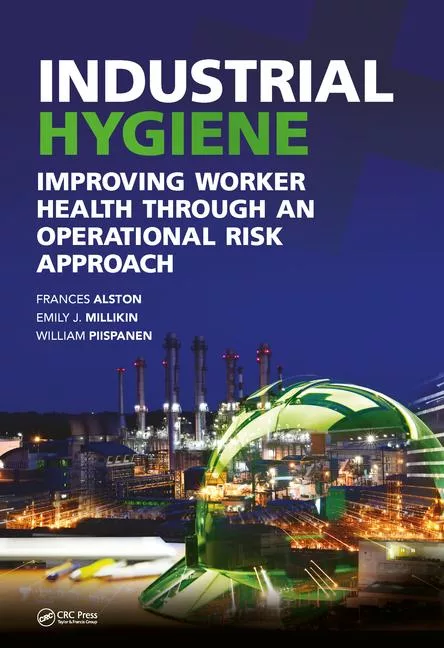
    Industrial Hygiene: Improving Worker Health through an Operational Risk Approach

  • ISHN Instrument & Controls Industrial Hygiene Buyers Guide

  • 0470074841.jpg

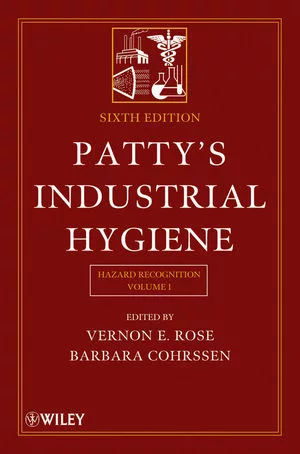
    Patty's Industrial Hygiene, Volume 1, Hazard Recognition , 6th Edition

See More Products

Related Directories

  • American Industrial Hygiene Assn. (AIHA)

    AIHA is the association for scientists and professionals committed to preserving and ensuring occupational and environmental health and safety in the workplace and community. We support our members with our expertise, networks, comprehensive education programs, and other products and services that help them maintain the highest professional and competency standards.
  • Assay Technology Inc.

    Industrial hygiene sampling media for personal exposure monitoring of chemicals in the workplace: Ethylene oxide, OV, Aldehyde, Nitrous oxide, acetic acid, hydrogen peroxide, others; industrial hygiene laboratory services. Service Life testing for respiratory cartridges and canisters.
×

Become a Leader in Safety Culture

Build your knowledge with ISHN, covering key safety, health and industrial hygiene news, products, and trends.

JOIN TODAY
  • RESOURCES
    • Advertise
    • Contact Us
    • Directories
    • Manufacturing Division
    • Store
    • Want More
  • SIGN UP TODAY
    • Create Account
    • eMagazine
    • Newsletters
    • Customer Service
    • Manage Preferences
  • SERVICES
    • Marketing Services
    • Reprints
    • Market Research
    • List Rental
    • Survey/Respondent Access
  • STAY CONNECTED
    • LinkedIn
    • Facebook
    • YouTube
    • X (Twitter)
  • PRIVACY
    • PRIVACY POLICY
    • TERMS & CONDITIONS
    • DO NOT SELL MY PERSONAL INFORMATION
    • PRIVACY REQUEST
    • ACCESSIBILITY

Copyright ©2026. All Rights Reserved BNP Media, Inc. and BNP Media II, LLC.

Design, CMS, Hosting & Web Development :: ePublishing