ISHN logo
search
cart
facebook twitter linkedin youtube
  • Sign In
  • Create Account
  • Sign Out
  • My Account
ISHN logo
  • NEWS
    • Today's News
    • Global Safety News
    • Government Regulations
  • PRODUCTS
    • Product Innovations
    • Featured Products
  • TOPICS
    • Environmental Health and Safety
    • Facility Safety
    • Workplace Health
    • Occupational Safety
    • PPE
    • More Topics
  • CONSTRUCTION
  • TECHNOLOGY
  • COLUMNS
    • Best Practices
    • Dave Johnson: What’s going on
    • Editorial Comments
    • Leading Safety
  • MULTIMEDIA
    • ISHN Podcast
    • Videos
    • Cold Stress Education Quiz
    • Webinars
    • White Papers
  • MORE
    • Buyer's Guide
    • Newsletters
    • Convention Companion
    • Polls
    • Events
    • ISHN Store
    • Sponsor Insights
  • EMAGAZINE
    • eMagazine
    • Archived Issues
    • Contact
    • Advertise
  • JOIN TODAY!

Where safety and health programs begin ...

April 21, 2000
Last month we gave you an overview of OSHA's Program Evaluation Profile, which is now being tested by inspectors in six field offices during routine compliance checks. This month you have the opportunity to see how your program would fare in the areas of management leadership and employee participation. We'll cover the rest of the PEP audit in coming months.

The charts below are used by OSHA compliance officers to assess programs in four key areas. What score would you give your program, based on the activity levels described for each rating? Remember, 1 = absent or ineffective, 2 = developmental, 3 = basic, 4 = superior, and 5 = outstanding. Higher ratings assume that all activity described for lower scores has been accomplished in addition to the activity listed for the level of performance that most closely matches your program.

Ray Colvin of Safety Training Dynamics in The Woodlands, Tex., provided us with these thoughts on management leadership and employee participation:

The key to success

The single-most important element of achieving a successful safety and health program is management leadership and support for the program. Managers actively support all programs they want to succeed. Programs that don't have their support cannot succeed.

Here's how you can tell if support is lacking: Safety is not a management priority; there's no formal safety budget; management does not actively oversee or measure the program's effectiveness; mid-managers are not encouraged to get involved; safety and health issues don't get the kind of attention that goes to production, sales, advertising, and other issues of the day.

If managers do not believe safety is a priority, they will not allow their supervisors and employees adequate time for meetings and training away from production.

Managers are also responsible for getting contractors to become involved in the safety and health program. They set policies and procedures, and make sure these requirements are being followed.

This part of the PEP audit is an opportunity for you to demonstrate to managers and employees the importance OSHA puts on these fundamental elements of workplace safety and health.

Management leadership

Visible management leadership provides the motivating force for an effective safety and health program. [1989 Voluntary Safety and Health Program Management Guidelines, (b)(1) and (c)(1)]

1. Management demonstrates no policy, goals, objectives, or interest in safety and health issues at this worksite.

2. Management sets and communicates safety and health policy and goals, but remains detached from all other safety and health efforts.

3. Management follows all safety and health rules, and gives visible support to the safety and health efforts of others.

4. Management participates in significant aspects of the site's safety and health program, such as site inspections, incident reviews, and program reviews. Incentive programs that discourage reporting of accidents, symptoms, injuries, or hazards are absent. Other incentive programs may be present.

5. Site safety and health issues are regularly included on agendas of management operations meetings. Management clearly demonstrates - by involvement, support, and example - the primary importance of safety and health for everyone on the worksite. Performance is consistent and sustained or has improved over time.

Employee Participation

Employee participation provides the means through which workers identify hazards, recommend and monitor abatement, and otherwise participate in their own protection. [Guidelines, (b)(1) and (c)(1)]

1. Worker participation in workplace safety and health concerns is not encouraged. Incentive programs are present which have the effect of discouraging reporting of incidents, injuries, potential hazards or symptoms. Employees/employee representatives are not involved in the safety and health program.

2. Workers and their representatives can participate freely in safety and health activities at the worksite without fear of reprisal. Procedures are in place for communication between employer and workers on safety and health matters. Worker rights under the Occupational Safety and Health Act to refuse or stop work that they reasonably believe involves imminent danger are understood by workers and honored by management. Workers are paid while performing safety activities.

3. Workers and their representatives are involved in the safety and health program, involved in inspection of work area, and are permitted to observe monitoring and receive results. Workers' and representatives' right of access to information is understood by workers and recognized by management. A documented procedure is in place for raising complaints of hazards or discrimination and receiving timely employer responses.

4. Workers and their representatives participate in workplace analysis, inspections and investigations, and development of control strategies throughout facility, and have necessary training and education to participate in such activities. Workers and their representatives have access to all pertinent health and safety information, including safety reports and audits. Workers are informed of their right to refuse job assignments that pose serious hazards to themselves pending management response.

5. Workers and their representatives participate fully in development of the safety and health program and conduct of training and education. Workers participate in audits, program reviews conducted by management or third parties, and collection of samples for monitoring purposes, and have necessary training and education to participate in such activities. Employer encourages and authorizes employees to stop activities that present potentially serious safety and health hazards.

Implementation

Implementation means tools, provided by management, that include:
  • budget
  • information
  • personnel
  • assigned responsibility
  • adequate expertise and authority
  • means to hold responsible persons accountable (line accountability)
  • program review procedures. [Guidelines, (b)(1) and (c)(1)]

1. Tools to implement a safety and health program are inadequate or missing.

  • 2. Some tools to implement a safety and health program are adequate and effectively used; others are ineffective or inadequate. Management assigns responsibility for implementing a site safety and health program to identified person(s). Management's designated representative has authority to direct abatement of hazards that can be corrected without major capital expenditure.
  • 3. Tools to implement a safety and health program are adequate, but are not all effectively used. Management representative has some expertise in hazard recognition and applicable OSHA requirements. Management keeps or has access to applicable OSHA standards at the facility, and seeks appropriate guidance information for interpretation of OSHA standards. Management representative has authority to order/purchase safety and health equipment.
  • 4. All tools to implement a safety and health program are more than adequate and effectively used. Written safety procedures, policies, and interpretations are updated based on reviews of the safety and health program. Safety and health expenditures, including training costs and personnel, are identified in the facility budget. Hazard abatement is an element in management performance evaluation.
  • 5. All tools necessary to implement a good safety and health program are more than adequate and effectively used. Management safety and health representative has expertise appropriate to facility size and process, and has access to professional advice when needed. Safety and health budgets and funding procedures are reviewed periodically for adequacy.

    Contractor safety

    Contractor safety: An effective safety and health program protects all personnel on the worksite, including the employees of contractors and subcontractors. It is the responsibility of management to address contractor safety. [Guidelines, (b)(1) and (c)(1)]

    1. Management makes no provision to include contractors within the scope of the worksite's safety and health program.

    2. Management policy requires contractor to conform to OSHA regulations and other legal requirements.

    3. Management designates a representative to monitor contractor safety and health practices, and that individual has authority to stop contractor practices that expose host or contractor employees to hazards. Management informs contractor and employees of hazards present at the facility.

    4. Management investigates a contractor's safety and health record as one of the bidding criteria.

    5. The site's safety and health program ensures protection of everyone employed at the worksite, i.e., regular full-time employees, contractors, temporary and part-time employees.

  • Share This Story

    Looking for a reprint of this article?
    From high-res PDFs to custom plaques, order your copy today!

    Recommended Content

    JOIN TODAY
    to unlock your recommendations.

    Already have an account? Sign In

    • forklift safety

      Exploring the latest technologies in forklift safety

      With more staff and more stock in warehousing now more...
      Workplace Training Strategies
      By: Josh Cramer
    • welding

      All about welder’s flash or arc eye

      A flash burn is a painful inflammation of the cornea,...
      Environmental Health and Safety
    • dangerous jobs

      The 10 most dangerous jobs in the U.S.

      On-the-job deaths have been rising — hitting the highest...
      Government Safety Regulations
      By: Benita Mehta
    Manage My Account
    • eMagazine Subscriptions
    • ISHN Newsletter & Other Newsletter Alerts
    • Online Registration
    • Manage My Preferences
    • Subscription Customer Service

    More Videos

    Sponsored Content

    Sponsored Content is a special paid section where industry companies provide high quality, objective, non-commercial content around topics of interest to the ISHN audience. All Sponsored Content is supplied by the advertising company and any opinions expressed in this article are those of the author and not necessarily reflect the views of ISHN or its parent company, BNP Media. Interested in participating in our Sponsored Content section? Contact your local rep!

    close
    • man wearing the the Sundström SR200 Full Face Mask Respirator
      Sponsored byOHD

      5 Fit Testing Mistakes That Could Cost You

    • This image shows Magid AcuSpex polarized blue mirrored safety glasses.
      Sponsored byMagid Glove and Safety

      Construction PPE Guide: What Crews Need for Each Task

    • lone worker in confined space
      Sponsored byAlphasense Ltd.

      GET THE LEAD OUT of your Safety Oxygen Sensors!

    Popular Stories

    SpaceX 7 launch

    OSHA Investigating Fatal Fall at SpaceX Starbase

    Automated loading dock equipment

    After March 2026 Rivian Death, Safety Managers Reassess Loading Dock Systems Under OSHA's Warehouse Emphasis Program

    psychology in the workplace

    Most Workplaces Measure Psychological Safety, Ignoring Psychosocial Risks

    top 10 most dangerous jobs

    Poll

    Seasonal Readiness

    With the federal heat stress prevention rule on the horizon, which area of your safety program needs the most attention?
    View Results Poll Archive

    Products

    Surviving an OSHA Audit A Management Guide, 2nd Edition

    Surviving an OSHA Audit A Management Guide, 2nd Edition

    See More Products

    ISHN Podcasts

    Related Articles

    • Safe + Sound Week

      Safe + Sound Week will focus on safety & health programs

      See More
    • OSHA reports on state-run occupational safety and health programs (9/28)

      See More
    • New tool measures effectiveness of workplace safety and health programs

      See More

    Related Products

    See More Products
    • 9781264257829_24.jpeg

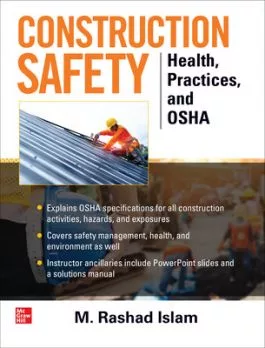
      Construction Safety: Health, Practices and OSHA

    • 9781566703703.jpg

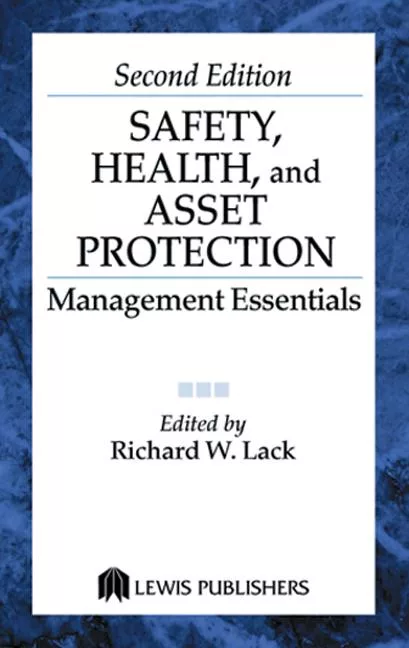
      Safety, Health, and Asset Protection: Management Essentials, Second Edition

    See More Products
    ×

    Become a Leader in Safety Culture

    Build your knowledge with ISHN, covering key safety, health and industrial hygiene news, products, and trends.

    JOIN TODAY
    • RESOURCES
      • Advertise
      • Contact Us
      • Directories
      • Manufacturing Division
      • Store
      • Want More
    • SIGN UP TODAY
      • Create Account
      • eMagazine
      • Newsletters
      • Customer Service
      • Manage Preferences
    • SERVICES
      • Marketing Services
      • Reprints
      • Market Research
      • List Rental
      • Survey/Respondent Access
    • STAY CONNECTED
      • LinkedIn
      • Facebook
      • YouTube
      • X (Twitter)
    • PRIVACY
      • PRIVACY POLICY
      • TERMS & CONDITIONS
      • DO NOT SELL MY PERSONAL INFORMATION
      • PRIVACY REQUEST
      • ACCESSIBILITY

    Copyright ©2026. All Rights Reserved BNP Media, Inc. and BNP Media II, LLC.

    Design, CMS, Hosting & Web Development :: ePublishing