ISHN logo
search
cart
facebook twitter linkedin youtube
  • Sign In
  • Create Account
  • Sign Out
  • My Account
ISHN logo
  • NEWS
    • Today's News
    • Global Safety News
    • Government Regulations
  • PRODUCTS
    • Product Innovations
    • Featured Products
  • TOPICS
    • Environmental Health and Safety
    • Facility Safety
    • Workplace Health
    • Occupational Safety
    • PPE
    • More Topics
  • CONSTRUCTION
  • TECHNOLOGY
  • COLUMNS
    • Best Practices
    • Dave Johnson: What’s going on
    • Editorial Comments
    • Leading Safety
  • MULTIMEDIA
    • ISHN Podcast
    • Videos
    • Cold Stress Education Quiz
    • Webinars
    • White Papers
  • MORE
    • Buyer's Guide
    • Newsletters
    • Convention Companion
    • Polls
    • Events
    • ISHN Store
    • Sponsor Insights
  • EMAGAZINE
    • eMagazine
    • Archived Issues
    • Contact
    • Advertise
  • JOIN TODAY!
Columns

POSITIVE SAFETY CULTURES: Where the rubber meets the road

June 1, 2005
Who influences productivity, quality, safety, motivation, and morale as much as — or more — than anyone else?

With all due respect to the CEO (especially if any are reading this), I personally nominate the first-line supervisor. As a practical matter, the supervisor is a critical lever in the organization, and maybe the critical one in terms of daily impact on organizational effectiveness.

Here’s a potent example: Since the 1970s, many organizations have started major culture-change efforts to build a so-called “High Performance Organization.” The goal: get away from narrowly focused jobs, top-down management control of work, insensitivity to customer needs and a lack of focus on quality — to build a flexible, nimble, market-oriented, team-based organizational system. As an organizational development consultant I’ve assisted with several of these initiatives. Some yield excellent, even spectacular results. But many times they do not.

Why?

One of the most visible reasons is dropping the ball with supervisors — failing to adequately inform and involve them in the change process. After all, what a supervisor commits to as important, and through action and deed weaves into the fabric of daily work, the team tends to focus on and do.

Finding the lever

Think about your own efforts at constructive change in your organization. Many safety and health pros I’ve worked with lament that unless they’re personally there to push and pull, things don’t get done. Where is the best lever that could multiply the safety and health pro’s effectiveness? Hint: re-read the above paragraphs.

So how best to coach supervisors so they drive the safety message to their folks? Here are some thoughts, based on my experience:

1) Supervisors must be on the list of critical relationships to build and nurture. Attend to the care and feeding of these critical relationships. Remember, what supervisors are personally committed to can happen; what they are uncommitted to (or actively against) probably won’t.

2) Keep supervisors actively in the know. It’s a common mistake to assume supervisors are “management” and know what’s going on. Not always so, sad to say. Do what you can to personally ensure supervisors are fully engaged in critical safety initiatives, that they understand your motives and goals, and support them. Take time to position supervisors to drive your initiatives in your absence.

3) Coach the coach. Increasingly, the role of the supervisor is characterized as “coach and facilitator” rather than “work boss.” All well and good, but only a portion of supervisors are “natural” teachers.

You might build a good working relationship with a supervisor who is fully informed and engaged in your safety effort, but isn’t skillful at “passing it on” to his folks. In this case, one of the most practical coaching models is the “Tell-Show-Do-Feedback” system:

  • Begin a coaching interaction with some explanation, some “telling.” Give background. What is the knowledge or skill to be transferred to the learner? Why is it important?

  • In the Show step, demonstrate, illustrate, work out an example, and in general let the learner see how it is done.

  • Then have the learner Do, that is, try it out under observation. If there are hazards or risks, have the learner explain what he/she is going to do, instead of or before taking any action.

  • Feedback, both positive and corrective, should be given continually during the coaching interaction. Ask and answer questions.

    4) Help with the “soft skills.” Focus your coaching not only on “safety content,” but also on presentation skills essential for a supervisor to lead a safety meeting, and to convey information clearly and persuasively. Help supervisors get more comfortable with their “platform skills” — even for less structured meetings and “tailgate” talks — and you’ll strengthen their ability to reach employees on safety as well as on other critical workplace issues.

    5) As they step up, you can step back. When a supervisor is able and willing to coach employees in safe work behavior, lead effective safety meetings, and in general drive safety to the next level in his/her area, you can step back. You’ve developed a critical high-impact resource, and delegated effectively. Now you have a persuasive emissary to carry your message. Step out, but not completely away. It’s important to be there as an ongoing teaching resource and support to your supervisors — to be a coach.

  • Share This Story

    Looking for a reprint of this article?
    From high-res PDFs to custom plaques, order your copy today!

    Recommended Content

    JOIN TODAY
    to unlock your recommendations.

    Already have an account? Sign In

    • forklift safety

      Exploring the latest technologies in forklift safety

      With more staff and more stock in warehousing now more...
      Facility Safety
      By: Josh Cramer
    • welding

      All about welder’s flash or arc eye

      A flash burn is a painful inflammation of the cornea,...
      Environmental Health and Safety
    • dangerous jobs

      The 10 most dangerous jobs in the U.S.

      On-the-job deaths have been rising — hitting the highest...
      Government Safety Regulations
      By: Benita Mehta
    Manage My Account
    • eMagazine Subscriptions
    • ISHN Newsletter & Other Newsletter Alerts
    • Online Registration
    • Manage My Preferences
    • Subscription Customer Service

    More Videos

    Sponsored Content

    Sponsored Content is a special paid section where industry companies provide high quality, objective, non-commercial content around topics of interest to the ISHN audience. All Sponsored Content is supplied by the advertising company and any opinions expressed in this article are those of the author and not necessarily reflect the views of ISHN or its parent company, BNP Media. Interested in participating in our Sponsored Content section? Contact your local rep!

    close
    • man wearing the the Sundström SR200 Full Face Mask Respirator
      Sponsored byOHD

      5 Fit Testing Mistakes That Could Cost You

    • This image shows Magid AcuSpex polarized blue mirrored safety glasses.
      Sponsored byMagid Glove and Safety

      Construction PPE Guide: What Crews Need for Each Task

    • lone worker in confined space
      Sponsored byAlphasense Ltd.

      GET THE LEAD OUT of your Safety Oxygen Sensors!

    Popular Stories

    SpaceX 7 launch

    OSHA Investigating Fatal Fall at SpaceX Starbase

    Worker Impairment

    How to Tell When a Co-Worker is Impaired? A Safety Pro’s Challenge

    psychology in the workplace

    Most Workplaces Measure Psychological Safety, Ignoring Psychosocial Risks

    top 10 most dangerous jobs

    Poll

    Seasonal Readiness

    With the federal heat stress prevention rule on the horizon, which area of your safety program needs the most attention?
    View Results Poll Archive

    Products

    Surviving an OSHA Audit A Management Guide, 2nd Edition

    Surviving an OSHA Audit A Management Guide, 2nd Edition

    See More Products

    ISHN Podcasts

    Related Articles

    • POSITIVE SAFETY CULTURES: Where to find "the right stuff"

      See More
    • RoadPrintz

      Where automation meets the road

      See More
    • POSITIVE SAFETY CULTURES: Safety's place at the table

      See More

    Related Products

    See More Products
    • 1119906652.webp

      Alive and Well at the End of the Day: The Supervisor's Guide to Managing Safety in Operations, 2E

    • fearless world.jpg

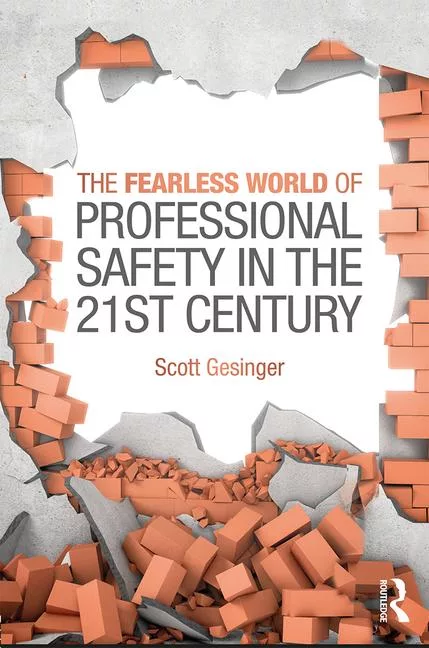
      The Fearless World of Professional Safety in the 21st Century

    See More Products

    Related Directories

    • MSA - The Safety Co.

      WE KNOW WHAT'S AT STAKE. Unpredictable work environments are often part of the job. That's why it's critically important to have the right safety equipment at the moment it matters most. MSA's complete lines of safety solutions help protect those workers at the heart of your operation.
    • The Safety Knife Co. LLC

      The Safety Knife Company has developed a quality range of safety knives for all industries. These knives have no exposed blades and only cut cardboard deep, protecting employees against lacerations as well as product.
    ×

    Become a Leader in Safety Culture

    Build your knowledge with ISHN, covering key safety, health and industrial hygiene news, products, and trends.

    JOIN TODAY
    • RESOURCES
      • Advertise
      • Contact Us
      • Directories
      • Manufacturing Division
      • Store
      • Want More
    • SIGN UP TODAY
      • Create Account
      • eMagazine
      • Newsletters
      • Customer Service
      • Manage Preferences
    • SERVICES
      • Marketing Services
      • Reprints
      • Market Research
      • List Rental
      • Survey/Respondent Access
    • STAY CONNECTED
      • LinkedIn
      • Facebook
      • YouTube
      • X (Twitter)
    • PRIVACY
      • PRIVACY POLICY
      • TERMS & CONDITIONS
      • DO NOT SELL MY PERSONAL INFORMATION
      • PRIVACY REQUEST
      • ACCESSIBILITY

    Copyright ©2026. All Rights Reserved BNP Media, Inc. and BNP Media II, LLC.

    Design, CMS, Hosting & Web Development :: ePublishing