ISHN logo
search
cart
facebook twitter linkedin youtube
  • Sign In
  • Create Account
  • Sign Out
  • My Account
ISHN logo
  • NEWS
    • Today's News
    • Global Safety News
    • Government Regulations
  • PRODUCTS
    • Product Innovations
    • Featured Products
  • TOPICS
    • Environmental Health and Safety
    • Facility Safety
    • Workplace Health
    • Occupational Safety
    • PPE
    • More Topics
  • CONSTRUCTION
  • TECHNOLOGY
  • COLUMNS
    • Best Practices
    • Dave Johnson: What’s going on
    • Editorial Comments
    • Leading Safety
  • MULTIMEDIA
    • ISHN Podcast
    • Videos
    • Cold Stress Education Quiz
    • Webinars
    • White Papers
  • MORE
    • Buyer's Guide
    • Newsletters
    • Convention Companion
    • Polls
    • Events
    • ISHN Store
    • Sponsor Insights
  • EMAGAZINE
    • eMagazine
    • Archived Issues
    • Contact
    • Advertise
  • JOIN TODAY!

Post-event risk communication (Part 1)

May 1, 2005
Although risk communication may theoretically be about the future (what might go wrong), many organizations also make serious errors talking about the past — in the aftermath of an accident, say, or a near-miss, or an OSHA decision to impose a fine. So a post-event communication protocol, grounded in the lessons of risk communication, is worth having. Here is my first draft of such a protocol. Part 2, with five additional recommendations, will appear in the June issue of ISHN. Comments and suggested additions are welcome at peter@psandman.com.

Tell everyone who should know.

Obviously this includes federal, state, and local regulators that you are legally obligated to notify. It also includes people in your own chain of command, and very likely your attorneys and insurers. Now add some less obvious people to your list. Are there lessons here for colleagues at other facilities? Are there suppliers or equipment manufacturers that ought to be warned about the problem? What union reps or employee health and safety committee members should be briefed? Who else might have some good advice for you? Who else will feel blindsided if you neglect to brief them?

There are sometimes persuasive reasons (such as litigation) to keep word of an accident more closely confined than communicators think wise. But often the only reasons are bad reasons — embarrassment, custom, and the press of time. Whatever your reasons, when the information leaks it’s usually the fact that you withheld it that gets you into trouble, not the information itself. And “withheld” here doesn’t have to mean you lied or kept secrets; it’s enough that you weren’t forthcoming. Being tight-lipped about what happened makes you look dishonest, and makes what happened look worse than it was.

Tell everyone who knows already or is likely to hear.

We all judge the credibility of a communication largely by how it addresses what we know already. So be sure to give the people who were involved (and their families) a full accounting. And don’t just tell them how it looked from your side. Use quotations and narrative to tell them how it looked — and felt — to them. Your description of what happened, in other words, shouldn’t just be technically accurate; it should be emotionally accurate as it retells the experience of those who were there. “Neighbors were awakened by the blast and many watched anxiously from their windows as plant firefighters confronted the 20-foot flames.”

As for those who don’t know yet: If people are going to hear about the accident at all, you want them to hear about it from you. So think through who is likely to hear, and include them all on your list of people to tell. Yes, that includes the media.

Don’t ever minimize what happened.

At a small airport near where I live, a 14-year-old boy was injured while “helping” a mechanic inspect a plane. Leave aside the safety implications of letting children work on airplanes. The local newspaper reported that the boy was airlifted to a hospital burn center, and then quoted the airport owner as follows: “His burns are not severe. He’s okay, in good spirits. Everybody’s fine.” The paper added that “the airport owner’s report of the boy’s injuries contrasted sharply with that of police.” The owner seemed to be minimizing the accident, when he should have been apologizing and hoping for a full recovery.

Include damaging or embarrassing information.

Post-event communication isn’t about telling your side of the story. It’s about telling the whole story. The most important information to include is the information that reflects badly on your organization or yourself. Of course if you think you can get away with keeping such information permanently secret, and if you’re under no legal obligation to tell, you’d have to be something of a saint to blow the whistle voluntarily. But suppose the cat is out of the bag. Lots of people know already, and the rest are bound to find out. Then it should be a no-brainer to tell them yourself — at least you can get a little credit for candor.

You’ll have to mention the damaging information more than once. Before writing a post-event communication, make a list of all the things you wish hadn’t happened and you’d rather people didn’t know. Then put an “S” (for secret) next to any you feel it’s okay and feasible to suppress, and a “W” (for wallow) next to the rest. Those are your only two options. If you’re not going to try to keep it secret, you’d better wallow in it, repeatedly.

Say you’re sorry.

The purpose of telling people damaging information isn’t so you can spin it your way. Of course it makes sense to include any facts that show why we should blame you less, if you can do so without sounding like you’re scapegoating others. But trying to make damaging information look less damaging doesn’t usually help much. What helps is showing you know how damaging it is. Blame works like a seesaw. The more you blame yourself, the less we blame you.

Assuming some of your actions or inactions are blameworthy, the key is to blame yourself — and to do so without opening up the floodgates of liability. Apologies can accomplish this. How do you apologize without flat-out saying “it’s the company’s fault”? “I feel terrible about what happened. If only the company had found a way to prevent it. We are so sorry!” Odds are you dare not say that either without getting an okay from the lawyers. But push hard for that okay. Remind the lawyers that acknowledging and apologizing for information that can’t be hidden anyway might even reduce people’s urge to sue… and juries’ urge to impose punitive damages. Try to come up with a way to apologize that the lawyers reluctantly agree doesn’t damage the company’s legal position.

Perhaps the toughest sort of apology is called for when some employees were worried about a safety issue but management decided no action was needed. Post-accident, “we were wrong and you were right” is probably more than your lawyers will let you say. But an apologetic acknowledgment of what happened is worth fighting for: “I wish we had implemented some of the precautions employees were urging last March. Maybe they could have averted this accident.”

Share This Story

Looking for a reprint of this article?
From high-res PDFs to custom plaques, order your copy today!

Recommended Content

JOIN TODAY
to unlock your recommendations.

Already have an account? Sign In

  • forklift safety

    Exploring the latest technologies in forklift safety

    With more staff and more stock in warehousing now more...
    Facility Safety
    By: Josh Cramer
  • welding

    All about welder’s flash or arc eye

    A flash burn is a painful inflammation of the cornea,...
    Environmental Health and Safety
  • dangerous jobs

    The 10 most dangerous jobs in the U.S.

    On-the-job deaths have been rising — hitting the highest...
    Transportation Safety
    By: Benita Mehta
Manage My Account
  • eMagazine Subscriptions
  • ISHN Newsletter & Other Newsletter Alerts
  • Online Registration
  • Manage My Preferences
  • Subscription Customer Service

More Videos

Sponsored Content

Sponsored Content is a special paid section where industry companies provide high quality, objective, non-commercial content around topics of interest to the ISHN audience. All Sponsored Content is supplied by the advertising company and any opinions expressed in this article are those of the author and not necessarily reflect the views of ISHN or its parent company, BNP Media. Interested in participating in our Sponsored Content section? Contact your local rep!

close
  • man wearing the the Sundström SR200 Full Face Mask Respirator
    Sponsored byOHD

    5 Fit Testing Mistakes That Could Cost You

  • This image shows Magid AcuSpex polarized blue mirrored safety glasses.
    Sponsored byMagid Glove and Safety

    Construction PPE Guide: What Crews Need for Each Task

  • lone worker in confined space
    Sponsored byAlphasense Ltd.

    GET THE LEAD OUT of your Safety Oxygen Sensors!

Popular Stories

SpaceX 7 launch

OSHA Investigating Fatal Fall at SpaceX Starbase

Automated loading dock equipment

After March 2026 Rivian Death, Safety Managers Reassess Loading Dock Systems Under OSHA's Warehouse Emphasis Program

psychology in the workplace

Most Workplaces Measure Psychological Safety, Ignoring Psychosocial Risks

top 10 most dangerous jobs

Poll

Seasonal Readiness

With the federal heat stress prevention rule on the horizon, which area of your safety program needs the most attention?
View Results Poll Archive

Products

Surviving an OSHA Audit A Management Guide, 2nd Edition

Surviving an OSHA Audit A Management Guide, 2nd Edition

See More Products

ISHN Podcasts

Related Articles

  • Post-event risk communication (Part 2)

    See More
  • col-LeadingSafety-0623-fig1ForWeb.png

    A new perspective on safety management | Part 1 of 2

    See More
  • award winners

    Hear and Now Noise Safety Challenge Winners: Part 1 of 3

    See More

Related Products

See More Products
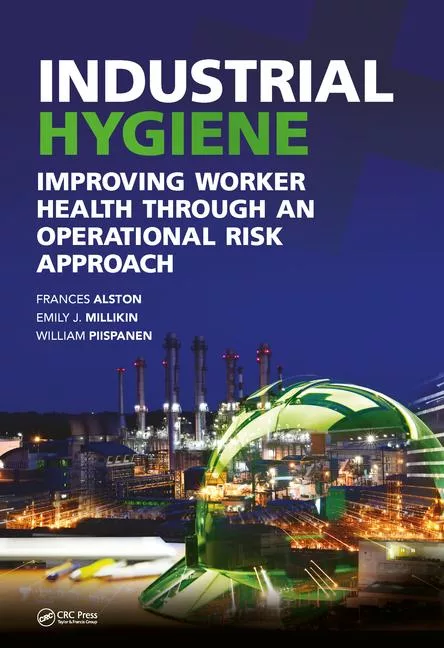
  • industrial hy.jpg

    Industrial Hygiene: Improving Worker Health through an Operational Risk Approach

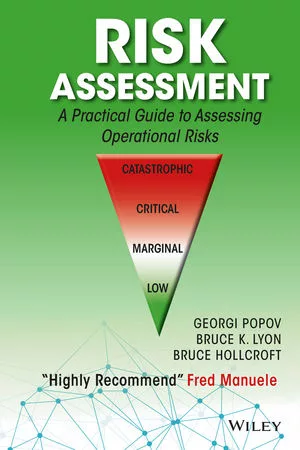
  • 1118911040.jpg

    Risk Assessment: A Practical Guide to Assessing Operational Risks

See More Products

Related Directories

  • Knowledgeware Communications Corp.

    KnowledgeWare offers an easy-to-use online safety training course authoring system and worker training management / SOP / best practices / continuous improvement services. We specialize in putting your training powerpoints online and building customized company courses for web based delivery. Since 1996, Western Canada based, we provide best-in-class Train-the-Trainer online instructor skills training , WHMIS Orientation, and Food Safety Level 1 training programs, including our unique Food Allergies for Food Handlers course covering anaphlaxis.
×

Become a Leader in Safety Culture

Build your knowledge with ISHN, covering key safety, health and industrial hygiene news, products, and trends.

JOIN TODAY
  • RESOURCES
    • Advertise
    • Contact Us
    • Directories
    • Manufacturing Division
    • Store
    • Want More
  • SIGN UP TODAY
    • Create Account
    • eMagazine
    • Newsletters
    • Customer Service
    • Manage Preferences
  • SERVICES
    • Marketing Services
    • Reprints
    • Market Research
    • List Rental
    • Survey/Respondent Access
  • STAY CONNECTED
    • LinkedIn
    • Facebook
    • YouTube
    • X (Twitter)
  • PRIVACY
    • PRIVACY POLICY
    • TERMS & CONDITIONS
    • DO NOT SELL MY PERSONAL INFORMATION
    • PRIVACY REQUEST
    • ACCESSIBILITY

Copyright ©2026. All Rights Reserved BNP Media, Inc. and BNP Media II, LLC.

Design, CMS, Hosting & Web Development :: ePublishing