ISHN logo
search
cart
facebook twitter linkedin youtube
  • Sign In
  • Create Account
  • Sign Out
  • My Account
ISHN logo
  • NEWS
    • Today's News
    • Global Safety News
    • Government Regulations
  • PRODUCTS
    • Product Innovations
    • Featured Products
  • TOPICS
    • Environmental Health and Safety
    • Facility Safety
    • Workplace Health
    • Occupational Safety
    • PPE
    • More Topics
  • CONSTRUCTION
  • TECHNOLOGY
  • COLUMNS
    • Best Practices
    • Dave Johnson: What’s going on
    • Editorial Comments
    • Leading Safety
  • MULTIMEDIA
    • ISHN Podcast
    • Videos
    • Cold Stress Education Quiz
    • Webinars
    • White Papers
  • MORE
    • Buyer's Guide
    • Newsletters
    • Convention Companion
    • Polls
    • Events
    • ISHN Store
    • Sponsor Insights
  • EMAGAZINE
    • eMagazine
    • Archived Issues
    • Contact
    • Advertise
  • JOIN TODAY!
Today's Safety News

Preventing workplace violence

January 4, 2001
Workplace violence is more than homicide — harassment is the leading form of on the job workplace violence, with 16 million workers being harassed each year. Other violent acts can include stalking, threats, inappropriate communication, trespassing, telephone and e-mail harassment, property defacing, and invasion of privacy and confining or restraining victims.

So what can you do?

1) Promote a clear anti-violence corporate policy by having top management address the issue in a formal written policy distributed and discussed with all employees.

This policy should establish the company’s zero tolerance position on violence and display strong commitment against violence.

Upper management must also provide the necessary resources (such as a budget and time to conduct meetings) to implement and carry out prevention programs.

2) Maintain effective grievance, security, and harassment policies. Companies that maintain these policies report fewer incidents of violence, less harassment, fewer stress-related illnesses, and more job satisfaction.

Empathetic management skills should be encouraged, as authoritarian leadership styles tend to promote higher rates of on-the-job violence.

3) Closely examine hiring practices. Examine employment applications and verify them for accuracy. Forty-three percent of all job applications contain misinformation.

Hire selectively or pre-screen applications for behavorial abnormalities. (To avoid creating other liabilities, be sure to comply with the provisions of the Americans with Disabilities Act (ADA) and other employment standards.)

Background checks can be an invaluable tool for employers to use to receive important information from past employers, criminal and motor vehicle records, and credit reports. Psychological tests are another invaluable tool that employers can use to “weed out” those employees that have a propensity for violence.

5) Employees should be encouraged to report potentially violent situations or threats made against themselves or others.

6) Avoid keeping employees on the payroll if they are negligent with assigned responsibilities. Termination policies and procedures should be established. Terminate at the end of a shift; do not allow laid-off/fired employees to return to the work area.

A good way to help a terminated employee is to provide personal counseling for laid-off/fired employees.

7) Provide training to employees to assist them in identifying warning signs leading to potentially violent behavior.

Train management in threat assessment and de-escalation techniques.

8) Formal risk assessments (also called vulnerability audits) must be done by risk managers and safety professionals to determine their organizations’ potential for violence in the workplace.

Risk assessments can involve the use of employee surveys, focus groups, or existing committees. Also, analyze the work environment. Look at how employees treat each other and how management treats subordinates.

9) As a result of risk assessments, increase security measures as needed — improved interior/exterior lighting, alarms around the premises, interior and exterior surveillance cameras, establishment of restricted areas, door controls, and security guards.

Set up a contingency plan detailing how your company will respond during and after a violent incident.

Before a violent act occurs, a threat management team that reports directly to top management should be established. This team would be activated in the event of an incident.

10) Discuss your workplace violence exposure concerns with your insurance brokers to determine exactly which policies cover which exposures.

Source: ASSE Risk Management/Insurance Practice Specialty members

Share This Story

Looking for a reprint of this article?
From high-res PDFs to custom plaques, order your copy today!

Recommended Content

JOIN TODAY
to unlock your recommendations.

Already have an account? Sign In

  • forklift safety

    Exploring the latest technologies in forklift safety

    With more staff and more stock in warehousing now more...
    Workplace Training Strategies
    By: Josh Cramer
  • welding

    All about welder’s flash or arc eye

    A flash burn is a painful inflammation of the cornea,...
    Environmental Health and Safety
  • dangerous jobs

    The 10 most dangerous jobs in the U.S.

    On-the-job deaths have been rising — hitting the highest...
    Government Safety Regulations
    By: Benita Mehta
Manage My Account
  • eMagazine Subscriptions
  • ISHN Newsletter & Other Newsletter Alerts
  • Online Registration
  • Manage My Preferences
  • Subscription Customer Service

More Videos

Sponsored Content

Sponsored Content is a special paid section where industry companies provide high quality, objective, non-commercial content around topics of interest to the ISHN audience. All Sponsored Content is supplied by the advertising company and any opinions expressed in this article are those of the author and not necessarily reflect the views of ISHN or its parent company, BNP Media. Interested in participating in our Sponsored Content section? Contact your local rep!

close
  • man wearing the the Sundström SR200 Full Face Mask Respirator
    Sponsored byOHD

    5 Fit Testing Mistakes That Could Cost You

  • This image shows Magid AcuSpex polarized blue mirrored safety glasses.
    Sponsored byMagid Glove and Safety

    Construction PPE Guide: What Crews Need for Each Task

  • lone worker in confined space
    Sponsored byAlphasense Ltd.

    GET THE LEAD OUT of your Safety Oxygen Sensors!

Popular Stories

SpaceX 7 launch

OSHA Investigating Fatal Fall at SpaceX Starbase

Automated loading dock equipment

After March 2026 Rivian Death, Safety Managers Reassess Loading Dock Systems Under OSHA's Warehouse Emphasis Program

psychology in the workplace

Most Workplaces Measure Psychological Safety, Ignoring Psychosocial Risks

top 10 most dangerous jobs

Poll

Seasonal Readiness

With the federal heat stress prevention rule on the horizon, which area of your safety program needs the most attention?
View Results Poll Archive

Products

Surviving an OSHA Audit A Management Guide, 2nd Edition

Surviving an OSHA Audit A Management Guide, 2nd Edition

See More Products

ISHN Podcasts

Related Articles

  • Preventing workplace violence

    See More
  • workplace violence

    National Safety Council releases new guidance on preventing workplace violence

    See More
  • Bill aimed at preventing workplace violence in the health care industry advances In Congress

    See More

Related Products

See More Products
  • 9781138749573.jpg

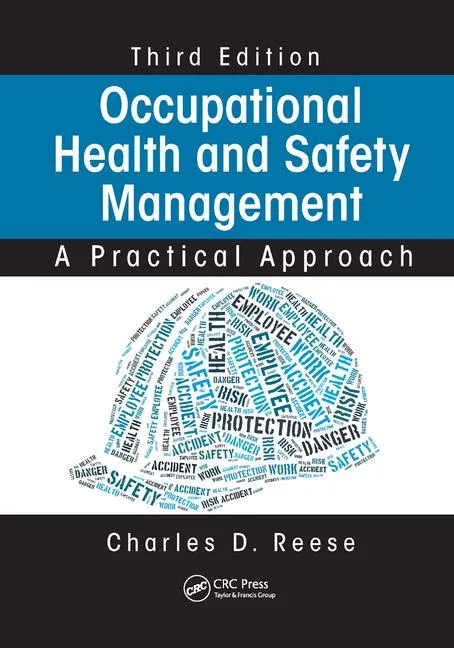
    Occupational Health and Safety Management: A Practical Approach, Third Edition

See More Products
×

Become a Leader in Safety Culture

Build your knowledge with ISHN, covering key safety, health and industrial hygiene news, products, and trends.

JOIN TODAY
  • RESOURCES
    • Advertise
    • Contact Us
    • Directories
    • Manufacturing Division
    • Store
    • Want More
  • SIGN UP TODAY
    • Create Account
    • eMagazine
    • Newsletters
    • Customer Service
    • Manage Preferences
  • SERVICES
    • Marketing Services
    • Reprints
    • Market Research
    • List Rental
    • Survey/Respondent Access
  • STAY CONNECTED
    • LinkedIn
    • Facebook
    • YouTube
    • X (Twitter)
  • PRIVACY
    • PRIVACY POLICY
    • TERMS & CONDITIONS
    • DO NOT SELL MY PERSONAL INFORMATION
    • PRIVACY REQUEST
    • ACCESSIBILITY

Copyright ©2026. All Rights Reserved BNP Media, Inc. and BNP Media II, LLC.

Design, CMS, Hosting & Web Development :: ePublishing