ISHN logo
search
cart
facebook twitter linkedin youtube
  • Sign In
  • Create Account
  • Sign Out
  • My Account
ISHN logo
  • NEWS
    • Today's News
    • Global Safety News
    • Government Regulations
  • PRODUCTS
    • Product Innovations
    • Featured Products
  • TOPICS
    • Environmental Health and Safety
    • Facility Safety
    • Workplace Health
    • Occupational Safety
    • PPE
    • More Topics
  • CONSTRUCTION
  • TECHNOLOGY
  • COLUMNS
    • Best Practices
    • Dave Johnson: What’s going on
    • Editorial Comments
    • Leading Safety
  • MULTIMEDIA
    • ISHN Podcast
    • Videos
    • Cold Stress Education Quiz
    • Webinars
    • White Papers
  • MORE
    • Buyer's Guide
    • Newsletters
    • Convention Companion
    • Polls
    • Events
    • ISHN Store
    • Sponsor Insights
  • EMAGAZINE
    • eMagazine
    • Archived Issues
    • Contact
    • Advertise
  • JOIN TODAY!

From parachutes to protective garments
By Cindy Komajda
May 8, 2009


What is the military-grade fabric known as Ripstop, and what are its safety benefits? Workwear manufacturers that develop garments constructed in Ripstop will point to its well-performing simplicity implicit in its name — Ripstop is a fabric designed to prevent tears from spreading and in essence, stops rips.

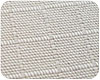
Ripstop fabric is woven using a special reinforcing technique that makes it very resistant against tearing and ripping. During the weaving process, an extra, thicker yarn is used every so often as reinforcement threads. These extra yarns are woven in at regular intervals in a crosshatch pattern in the fabric.

If you take a basic weave at random areas in the pattern, in both warp (vertical direction) and fill (horizontal direction), a thicker yarn is used in place of the existing yarn. This forms small blocks in the fabric where the warp and fill directions cross each other. When a small tear develops and contacts the reinforced area, the extra yarn or the thicker yarn stops the tear. This process sums up what a Ripstop fabric is and how it is manufactured. But how does it apply to garment construction?

Fabric options
Ripstop is produced in a range of weights and textures, waterproof, water-resistant, fire resistant, zero porosity (will not allow air or water through), light, medium and heavy-weight. Textures range from soft, silk-like to crisp or stiff ones that sound like a paper bag when they are moved.

Ripstop fabric can come in a light-weight 50-percent cotton and 50-percent nylon blend — two extremely important fabrics, as one is light-weight and the other contains nylon. Having a light-weight 6.4 oz fabric provides an option that is less weather-dependent. By blending the cotton with the nylon, you get a more comfortable fit and added performance properties from the nylon. Nylon is known for its strength and durability. It is very abrasion-resistant and dries quickly. An advantage of Ripstop fabrics is that it provides a favorable weight to strength ratio.

Military origins
Ripstop is an extremely versatile fabric and widely used outside of an apparel capacity. Originally developed as an inexpensive synthetic replacement for silk in the production of parachutes during World War II, common uses today include items such as kites, sails, tents, hang gliders, parachutes and hot air balloons, all situations where the fabric must not fail under stress — and the same goes for workwear garments constructed in Ripstop.

Workwear Ripstop clothing uses a military grade fabric; reinforcement can be incorporated into heavier fabrics for extreme durability, such as those used in the manufacture of luggage and protective clothing for workers and law enforcement officials.

Remember, this fabric is designed to do just what the name says. It stops rips. Garments constructed in this fabric can give workers the confidence that what starts out as a small tear or rip will stay that way. By utilizing a light-weight fabric, you have a fabric that is less weather-dependant without losing durability and abrasion-resistance in the garment. And by incorporating a cotton-nylon blend into Ripstop, strength properties are enhanced and the fabric dries quickly.

Share This Story

Looking for a reprint of this article?
From high-res PDFs to custom plaques, order your copy today!

Cindy has more than 17 years of fabric and trim development experience for global retail companies and is currently the fabric and trim developer at Carhartt, Inc., a Michigan-based manufacturer of durable workwear since 1889.

Recommended Content

JOIN TODAY
to unlock your recommendations.

Already have an account? Sign In

  • forklift safety

    Exploring the latest technologies in forklift safety

    With more staff and more stock in warehousing now more...
    Workplace Training Strategies
    By: Josh Cramer
  • welding

    All about welder’s flash or arc eye

    A flash burn is a painful inflammation of the cornea,...
    Environmental Health and Safety
  • dangerous jobs

    The 10 most dangerous jobs in the U.S.

    On-the-job deaths have been rising — hitting the highest...
    Construction Industry Safety and Health
    By: Benita Mehta
Manage My Account
  • eMagazine Subscriptions
  • ISHN Newsletter & Other Newsletter Alerts
  • Online Registration
  • Manage My Preferences
  • Subscription Customer Service

More Videos

Sponsored Content

Sponsored Content is a special paid section where industry companies provide high quality, objective, non-commercial content around topics of interest to the ISHN audience. All Sponsored Content is supplied by the advertising company and any opinions expressed in this article are those of the author and not necessarily reflect the views of ISHN or its parent company, BNP Media. Interested in participating in our Sponsored Content section? Contact your local rep!

close
  • man wearing the the Sundström SR200 Full Face Mask Respirator
    Sponsored byOHD

    5 Fit Testing Mistakes That Could Cost You

  • This image shows Magid AcuSpex polarized blue mirrored safety glasses.
    Sponsored byMagid Glove and Safety

    Construction PPE Guide: What Crews Need for Each Task

  • lone worker in confined space
    Sponsored byAlphasense Ltd.

    GET THE LEAD OUT of your Safety Oxygen Sensors!

Popular Stories

SpaceX 7 launch

OSHA Investigating Fatal Fall at SpaceX Starbase

Automated loading dock equipment

After March 2026 Rivian Death, Safety Managers Reassess Loading Dock Systems Under OSHA's Warehouse Emphasis Program

psychology in the workplace

Most Workplaces Measure Psychological Safety, Ignoring Psychosocial Risks

top 10 most dangerous jobs

Poll

Seasonal Readiness

With the federal heat stress prevention rule on the horizon, which area of your safety program needs the most attention?
View Results Poll Archive

Products

Surviving an OSHA Audit A Management Guide, 2nd Edition

Surviving an OSHA Audit A Management Guide, 2nd Edition

See More Products

ISHN Podcasts

Related Articles

  • Protective Garments

    See More
  • Protective Garments

    See More
  • Choosing the right protective garments

    See More

Related Products

See More Products
  • Optimizing Social Media from a B2B Perspective

See More Products
×

Become a Leader in Safety Culture

Build your knowledge with ISHN, covering key safety, health and industrial hygiene news, products, and trends.

JOIN TODAY
  • RESOURCES
    • Advertise
    • Contact Us
    • Directories
    • Manufacturing Division
    • Store
    • Want More
  • SIGN UP TODAY
    • Create Account
    • eMagazine
    • Newsletters
    • Customer Service
    • Manage Preferences
  • SERVICES
    • Marketing Services
    • Reprints
    • Market Research
    • List Rental
    • Survey/Respondent Access
  • STAY CONNECTED
    • LinkedIn
    • Facebook
    • YouTube
    • X (Twitter)
  • PRIVACY
    • PRIVACY POLICY
    • TERMS & CONDITIONS
    • DO NOT SELL MY PERSONAL INFORMATION
    • PRIVACY REQUEST
    • ACCESSIBILITY

Copyright ©2026. All Rights Reserved BNP Media, Inc. and BNP Media II, LLC.

Design, CMS, Hosting & Web Development :: ePublishing