ISHN logo
search
cart
facebook twitter linkedin youtube
  • Sign In
  • Create Account
  • Sign Out
  • My Account
ISHN logo
  • NEWS
    • Today's News
    • Global Safety News
    • Government Regulations
  • PRODUCTS
    • Product Innovations
    • Featured Products
  • TOPICS
    • Environmental Health and Safety
    • Facility Safety
    • Workplace Health
    • Occupational Safety
    • PPE
    • More Topics
  • CONSTRUCTION
  • TECHNOLOGY
  • COLUMNS
    • Best Practices
    • Dave Johnson: What’s going on
    • Editorial Comments
    • Leading Safety
  • MULTIMEDIA
    • ISHN Podcast
    • Videos
    • Cold Stress Education Quiz
    • Webinars
    • White Papers
  • MORE
    • Buyer's Guide
    • Newsletters
    • Convention Companion
    • Polls
    • Events
    • ISHN Store
    • Sponsor Insights
  • EMAGAZINE
    • eMagazine
    • Archived Issues
    • Contact
    • Advertise
  • JOIN TODAY!

5 keys to living safely with flammable liquids

By John Mitchell
August 5, 2009


Due to the widespread use and destructive history of flammable and combustible liquids, these chemicals, their storage, handling and management are closely regulated by several federal agencies.

A practical compliance and risk reduction program is key to help you identify potential environmental, health and safety risks associated with flammable liquids handling, use and storage in the workplace, as well as to determine the best compliance solutions to limit these risks.

Proper management of these chemicals can help eliminate millions of dollars of facility damage, protect personnel, improve workplace efficiencies, meet federal, state and local fire codes and comply with federal OSHA regulations.

Best safety practices include simple operational questions related to meeting certain regulatory or safety requirements. Here is a sampling of these requirements and related best safety practices for containment, liquid handling, assessment, waste management and safety storage of flammable liquids:

1CONTAINMENT
Flammable and other hazardous liquids require a containment system that will contain at least 10 percent of the total volume of containers or 100 percent of the largest container, whichever is greater.

Most flammable liquids flow easily. A small spill can cover a large area of workbench or floor. Burning liquids can flow under doors, down stairs, and even into neighboring buildings, spreading fire widely. Materials like wood, cardboard and cloth can easily absorb flammable and combustible liquids. Even after a spill has been cleaned up, a dangerous amount of liquid could still remain in surrounding materials, continuing to give off hazardous vapors.

In the event of a spill, even a contained one, all personnel in the area should be alerted and all ignition sources controlled.

2LIQUID HANDLING
Use only approved safety containers to store or transfer flammable liquids. Do not use or store flammable liquids near any ignition sources. Never fill a container completely or pour flammables down a drain. Minimize the amount of flammable and combustible liquids in the workplace and label all containers with contents ID labels and “flammable liquids” labels.

3ASSESSMENT
Proper flammable liquids management requires an initial investigation or evaluation of the workplace to identify and define what these hazards are and where they exist. A proper facility, chemical and waste assessment builds the foundation of knowledge required to implement the necessary compliance and safety evaluation effectively.

4WASTE MANAGEMENT
Waste management is mainly a matter of good housekeeping. It’s required to decrease the potential exposure associated with the handling and temporary storage of flammable chemical wastes. Approved waste containers should be used to dispose of solvent laden rags or wipes and the contents should be disposed of properly each day.

5SAFETY STORAGE
Always store safety containers in an approved safety cabinet when not in use. As a general rule, no more than 10 gallons of flammable liquids should be outside of safety cabinets, especially if not in approved containers. Store flammable liquids in cool, well-ventilated areas, away from corrosives, oxidizers and ignition sources. Flammable liquids should not be stored in basements, near exit doorways, stairways, in exit corridors or in a location that would impede egress from the building.

Share This Story

Looking for a reprint of this article?
From high-res PDFs to custom plaques, order your copy today!

John is vice president of Eagle Manufacturing Company in Wellsburg, W.Va. He can be reached at (304) 737-3171.

Recommended Content

JOIN TODAY
to unlock your recommendations.

Already have an account? Sign In

  • forklift safety

    Exploring the latest technologies in forklift safety

    With more staff and more stock in warehousing now more...
    Facility Safety
    By: Josh Cramer
  • welding

    All about welder’s flash or arc eye

    A flash burn is a painful inflammation of the cornea,...
    Environmental Health and Safety
  • dangerous jobs

    The 10 most dangerous jobs in the U.S.

    On-the-job deaths have been rising — hitting the highest...
    Occupational Safety
    By: Benita Mehta
Manage My Account
  • eMagazine Subscriptions
  • ISHN Newsletter & Other Newsletter Alerts
  • Online Registration
  • Manage My Preferences
  • Subscription Customer Service

More Videos

Sponsored Content

Sponsored Content is a special paid section where industry companies provide high quality, objective, non-commercial content around topics of interest to the ISHN audience. All Sponsored Content is supplied by the advertising company and any opinions expressed in this article are those of the author and not necessarily reflect the views of ISHN or its parent company, BNP Media. Interested in participating in our Sponsored Content section? Contact your local rep!

close
  • man wearing the the Sundström SR200 Full Face Mask Respirator
    Sponsored byOHD

    5 Fit Testing Mistakes That Could Cost You

  • This image shows Magid AcuSpex polarized blue mirrored safety glasses.
    Sponsored byMagid Glove and Safety

    Construction PPE Guide: What Crews Need for Each Task

  • lone worker in confined space
    Sponsored byAlphasense Ltd.

    GET THE LEAD OUT of your Safety Oxygen Sensors!

Popular Stories

SpaceX 7 launch

OSHA Investigating Fatal Fall at SpaceX Starbase

Worker Impairment

How to Tell When a Co-Worker is Impaired? A Safety Pro’s Challenge

Automated loading dock equipment

After March 2026 Rivian Death, Safety Managers Reassess Loading Dock Systems Under OSHA's Warehouse Emphasis Program

top 10 most dangerous jobs

Poll

Seasonal Readiness

With the federal heat stress prevention rule on the horizon, which area of your safety program needs the most attention?
View Results Poll Archive

Products

Surviving an OSHA Audit A Management Guide, 2nd Edition

Surviving an OSHA Audit A Management Guide, 2nd Edition

See More Products

ISHN Podcasts

Related Articles

  • lockout-tagout

    LOTO: 5 keys to effective lockout/tagout safety

    See More
  • How GHS impacts the storage & handling of flammable liquids

    See More
  • Handling Flammable Liquids: Your worst nightmare?

    See More

Related Products

See More Products
  • 111885960X.jpg

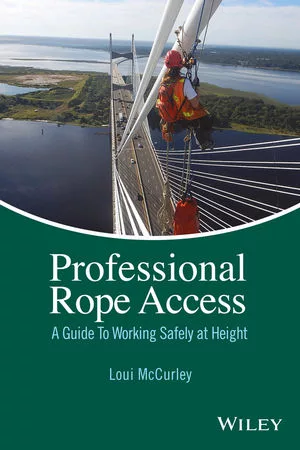
    Professional Rope Access: A Guide To Working Safely at Height

See More Products

Related Directories

  • CarbonX by Tex Tech Industries

    CarbonX non-flammable fabrics deliver ultimate protection and maximum comfort when safety matters most. With TPP and ATPV ratings far surpassing industry standards, CarbonX solutions are optimized to protect against direct flame, extreme heat, molten metal splash, flammable liquids, certain chemicals, and arc flash in lightweight, flexible, and breathable PPE. Products sold in roll form to allow for customization.
  • VAC-U-MAX

    VAC-U-MAX is a worldwide leader in the design and manufacturing of industrial vacuum cleaners engineered for the high-volume recovery of combustible dust, liquids, sludge, heavy metals, granular materials, silica dust, metal powders, reactive powders, flammable liquids, and more. To learn more about our portable, continuous-duty, and central vacuum cleaning systems, visit www.vac-u-max.com and complete a Request for Quote (RFQ).
×

Become a Leader in Safety Culture

Build your knowledge with ISHN, covering key safety, health and industrial hygiene news, products, and trends.

JOIN TODAY
  • RESOURCES
    • Advertise
    • Contact Us
    • Directories
    • Manufacturing Division
    • Store
    • Want More
  • SIGN UP TODAY
    • Create Account
    • eMagazine
    • Newsletters
    • Customer Service
    • Manage Preferences
  • SERVICES
    • Marketing Services
    • Reprints
    • Market Research
    • List Rental
    • Survey/Respondent Access
  • STAY CONNECTED
    • LinkedIn
    • Facebook
    • YouTube
    • X (Twitter)
  • PRIVACY
    • PRIVACY POLICY
    • TERMS & CONDITIONS
    • DO NOT SELL MY PERSONAL INFORMATION
    • PRIVACY REQUEST
    • ACCESSIBILITY

Copyright ©2026. All Rights Reserved BNP Media, Inc. and BNP Media II, LLC.

Design, CMS, Hosting & Web Development :: ePublishing