ISHN logo
search
cart
facebook twitter linkedin youtube
  • Sign In
  • Create Account
  • Sign Out
  • My Account
ISHN logo
  • NEWS
    • Today's News
    • Global Safety News
    • Government Regulations
  • PRODUCTS
    • Product Innovations
    • Featured Products
  • TOPICS
    • Environmental Health and Safety
    • Facility Safety
    • Workplace Health
    • Occupational Safety
    • PPE
    • More Topics
  • CONSTRUCTION
  • TECHNOLOGY
  • COLUMNS
    • Best Practices
    • Dave Johnson: What’s going on
    • Editorial Comments
    • Leading Safety
  • MULTIMEDIA
    • ISHN Podcast
    • Videos
    • Cold Stress Education Quiz
    • Webinars
    • White Papers
  • MORE
    • Buyer's Guide
    • Newsletters
    • Convention Companion
    • Polls
    • Events
    • ISHN Store
    • Sponsor Insights
  • EMAGAZINE
    • eMagazine
    • Archived Issues
    • Contact
    • Advertise
  • JOIN TODAY!
Environmental Health and Safety

Killer Dust

By Massimo De Pastena
March 1, 2011


According to OSHA, there have been at least 350 combustible dust explosions in the United States since 1980, resulting in more than 130 fatalities and 800 injuries. In many of these incidents both the employers and the employees were unaware that a hazard even existed or that their workplace was considered a high-risk environment. A common problem appears to be a serious lack of awareness and therefore a lack of precaution in the areas of:

  • Inspection
  • Housekeeping
  • Work Practices
  • Maintenance
  • Design of Facilities and Equipment

As a result, OSHA and the National Fire Protection Association (NFPA) now seriously focus on combustible dust potential regulation and practical recommendations. One of the most important mandatory regulations being implemented is to perform a thorough risk evaluation (also known as a hazard assessment) at your facility. This is essential in identifying and eliminating factors that could contribute to an explosion.
 

An explosive combination

Although industries and materials differ, there are five conditions necessary for a dust explosion to occur. Known as the Dust Explosion Pentagon; these conditions include:

  1. The presence of combustible dust (fuel)
  2. Ignition source (heat)
  3. Oxygen in the air (oxidizer)
  4. Dispersion of dust particles in sufficient concentration
  5. Confinement of the dust cloud

Explosions can occur in any manufacturing process or facility where combustible dust is stored, accumulated or is present in the atmosphere. NFPA currently states that dust accumulations of as little as 1/32 of an inch (approximately the same thickness as a paperclip) are sufficient to create a dust deflagration when dispersed and exposed to an ignition source.

OSHA defines combustible dust as a solid material composed of distinct particles or pieces, regardless of size, shape or chemical composition that present a fire or deflagration hazard (the process that produces the explosion). When these particles are suspended in the air or some other oxidizing medium over a range of concentrations, an explosion can occur. These types of dusts include, but are not limited to, metal dust and organic dust (sugar, flour, paper, soap and dried blood), as well as dusts from certain textiles.
 

Suck it up

Explosion-proof vacuum cleaners are specifically designed for use in areas where the presence of flammable gases, vapors or finely pulverized dust in the atmosphere are sufficient to create a threat of explosion or fire. The design of the vacuum must be legally certified and evaluated for hazardous locations by a Nationally Recognized Testing Lab (NRTL) approved by OSHA. Although many vacuum companies claim to offer “explosion proof vacuums,” it is imperative that you ask for proof of NRTL certification. Hazardous locations are grouped as follows:

  • Class I - Group D: where there is the presence of acetone, ammonia, butane, isopropyl acetate, naphtha, propane, styrene, toluene and other flammable liquids.
  • Class II - Group E: atmospheres containing metal dust including aluminum, magnesium and other commercial alloys.
  • Class II - Group F: atmospheres containing carbon black, coke or coal dust.
  • Class II - Group G: atmospheres containing flour, starch, grain dust and any combustible dust having a resistivity of 108 ohm - centimeter or greater.

Areas or equipment potentially subject to explosion (including the dust collection extraction system) should also be designed to vent explosive pressure in a safe manner, or be provided with proper suppression, explosion prevention systems, or an oxygen-deficient atmosphere. Also, explosion-proof vacuum cleaners may be fitted with rupture discs.
 

Additional info

NFPA publishes a number of standards relating to combustible dusts, including NFPA 654, Standard for the Prevention of Fire and Dust Explosions from the Manufacturing, Processing, and Handling of Combustible Particulate Solids; NFPA 664, Standard for the Prevention of Fires and Explosions in Wood Processing and Woodworking Facilities; NFPA 61, Standard for the Prevention of Fires and Explosions in Agricultural and Food Processing Facilities; NFPA 484, Standard for Combustible Metals; NFPA 655, Standard for Prevention of Sulfur Fires and Explosions. For more information, visit www.nfpa.org. For other resources on combustible dusts, including a list of applicable standards, visit www.osha.gov/dsg/combustibledust/index.html.

KEYWORDS: Exposures

Share This Story

Looking for a reprint of this article?
From high-res PDFs to custom plaques, order your copy today!

Massimo is sales manager for Tiger-Vac, Inc. (www.tiger-vac.com), a leading manufacturer of legally certified explosion proof vacuum cleaners with over 40 years of experience. Technical representatives are available to assist you in your risk assessment and in the recommendation of the appropriate equipment for your application.

Recommended Content

JOIN TODAY
to unlock your recommendations.

Already have an account? Sign In

  • forklift safety

    Exploring the latest technologies in forklift safety

    With more staff and more stock in warehousing now more...
    Workplace Training Strategies
    By: Josh Cramer
  • welding

    All about welder’s flash or arc eye

    A flash burn is a painful inflammation of the cornea,...
    Environmental Health and Safety
  • dangerous jobs

    The 10 most dangerous jobs in the U.S.

    On-the-job deaths have been rising — hitting the highest...
    Occupational Safety
    By: Benita Mehta
Manage My Account
  • eMagazine Subscriptions
  • ISHN Newsletter & Other Newsletter Alerts
  • Online Registration
  • Manage My Preferences
  • Subscription Customer Service

More Videos

Sponsored Content

Sponsored Content is a special paid section where industry companies provide high quality, objective, non-commercial content around topics of interest to the ISHN audience. All Sponsored Content is supplied by the advertising company and any opinions expressed in this article are those of the author and not necessarily reflect the views of ISHN or its parent company, BNP Media. Interested in participating in our Sponsored Content section? Contact your local rep!

close
  • man wearing the the Sundström SR200 Full Face Mask Respirator
    Sponsored byOHD

    5 Fit Testing Mistakes That Could Cost You

  • This image shows Magid AcuSpex polarized blue mirrored safety glasses.
    Sponsored byMagid Glove and Safety

    Construction PPE Guide: What Crews Need for Each Task

  • lone worker in confined space
    Sponsored byAlphasense Ltd.

    GET THE LEAD OUT of your Safety Oxygen Sensors!

Popular Stories

SpaceX 7 launch

OSHA Investigating Fatal Fall at SpaceX Starbase

Automated loading dock equipment

After March 2026 Rivian Death, Safety Managers Reassess Loading Dock Systems Under OSHA's Warehouse Emphasis Program

psychology in the workplace

Most Workplaces Measure Psychological Safety, Ignoring Psychosocial Risks

top 10 most dangerous jobs

Poll

Seasonal Readiness

With the federal heat stress prevention rule on the horizon, which area of your safety program needs the most attention?
View Results Poll Archive

Products

Surviving an OSHA Audit A Management Guide, 2nd Edition

Surviving an OSHA Audit A Management Guide, 2nd Edition

See More Products

ISHN Podcasts

Related Articles

  • "Hidden Killer" asbestos campaign wins international award (12/22)

    See More
  • Guarding against the "silent killer"

    See More
  • Avoid killer complacency

    See More

Related Products

See More Products
  • 1119010160.jpg

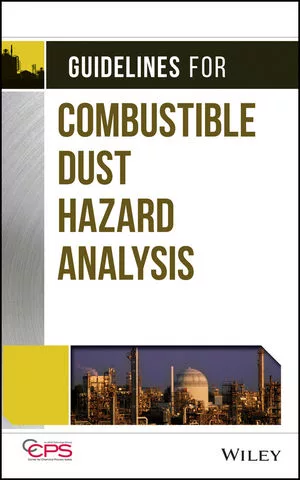
    Guidelines for Combustible Dust Hazard Analysis

  • 1119772133.jpg

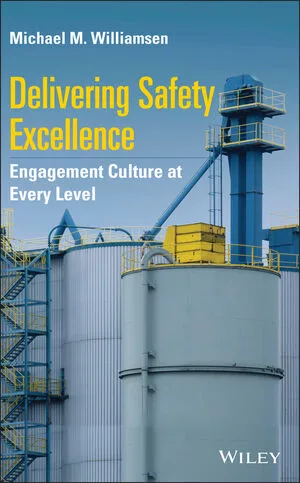
    Delivering Safety Excellence: Engagement Culture at Every Level

  • 3E

    Safety Professional's Reference and Study Guide, Third Edition

See More Products

Related Directories

  • Scientific Dust Collectors

    Scientific Dust Collectors (SDC) began in 1981 when our first patent for improving filter cleaning was issued. Our patented UniFlow Supersonic Nozzle -based cleaning system is where it all starts. Combined with our High Side Inlets, Wide Filter Spacing, and Inlet Baffling, we are able to guarantee performance, efficiency, and filter life. ASHRAE 199 Test Lab on site.
×

Become a Leader in Safety Culture

Build your knowledge with ISHN, covering key safety, health and industrial hygiene news, products, and trends.

JOIN TODAY
  • RESOURCES
    • Advertise
    • Contact Us
    • Directories
    • Manufacturing Division
    • Store
    • Want More
  • SIGN UP TODAY
    • Create Account
    • eMagazine
    • Newsletters
    • Customer Service
    • Manage Preferences
  • SERVICES
    • Marketing Services
    • Reprints
    • Market Research
    • List Rental
    • Survey/Respondent Access
  • STAY CONNECTED
    • LinkedIn
    • Facebook
    • YouTube
    • X (Twitter)
  • PRIVACY
    • PRIVACY POLICY
    • TERMS & CONDITIONS
    • DO NOT SELL MY PERSONAL INFORMATION
    • PRIVACY REQUEST
    • ACCESSIBILITY

Copyright ©2026. All Rights Reserved BNP Media, Inc. and BNP Media II, LLC.

Design, CMS, Hosting & Web Development :: ePublishing