ISHN logo
search
cart
facebook twitter linkedin youtube
  • Sign In
  • Create Account
  • Sign Out
  • My Account
ISHN logo
  • NEWS
    • Today's News
    • Global Safety News
    • Government Regulations
  • PRODUCTS
    • Product Innovations
    • Featured Products
  • TOPICS
    • Environmental Health and Safety
    • Facility Safety
    • Workplace Health
    • Occupational Safety
    • PPE
    • More Topics
  • CONSTRUCTION
  • TECHNOLOGY
  • COLUMNS
    • Best Practices
    • Dave Johnson: What’s going on
    • Editorial Comments
    • Leading Safety
  • MULTIMEDIA
    • ISHN Podcast
    • Videos
    • Cold Stress Education Quiz
    • Webinars
    • White Papers
  • MORE
    • Buyer's Guide
    • Newsletters
    • Convention Companion
    • Polls
    • Events
    • ISHN Store
    • Sponsor Insights
  • EMAGAZINE
    • eMagazine
    • Archived Issues
    • Contact
    • Advertise
  • JOIN TODAY!
Today's Safety NewsWorkplace Health

Scorching heat puts outdoor workers' lives at risk

OSHA heat safety app downloaded 6,500x in one week

July 17, 2012

heatwaveWith much of the Midwest and East Coast in the grip of a severe heat wave – and other parts of the country in danger of returning to it – the National Oceanic and Atmospheric Administration is issuing excessive heat warnings that include information that protects outdoor workers by describing the signs of heat illness and what to do if someone becomes ill.

The NOAA, OSHA and other stakeholders have stepped up efforts to spread the message of "Water. Rest. Shade." and to make sure that the public has the most accurate information about the signs of heat illness.

The primary signs and symptoms of heat stroke: confusion, irrational behavior, loss of coordination, loss of consciousness or convulsions – all associated with abnormally high body temperatures. Although heat stroke is usually associated with a lack of sweating and hot, dry skin, a significant percentage of individuals with heat stroke have moist skin and appear to be sweating, particularly in humid conditions. There is a widely held misperception that someone who is sweating cannot be having heat stroke. Heat exhaustion, if untreated, may quickly progress to life-threatening heat stroke. Body temperature can rise to 106 degrees or higher within 10-15 minutes. The signs and symptoms of heat exhaustion are headache, nausea, vertigo, weakness, thirst and giddiness.

OSHA has a heat safety app for Android and iPhones to help get this life-saving information out to employers and workers who are most at-risk. During the week that the heat wave began, the app was downloaded nearly 6,500 times, and has now exceeded 30,000 downloads. Visit OSHA's Heat page to download the app and find other resources, including radio interviews, new wallet cards and public service announcements in both English and Spanish. To order any of OSHA's materials in English or Spanish, call OSHA's Office of Communications at (202) 693-1999 or visit OSHA's Publications page.

KEYWORDS: heat spanish stroke

Share This Story

Looking for a reprint of this article?
From high-res PDFs to custom plaques, order your copy today!

Recommended Content

JOIN TODAY
to unlock your recommendations.

Already have an account? Sign In

  • forklift safety

    Exploring the latest technologies in forklift safety

    With more staff and more stock in warehousing now more...
    Workplace Training Strategies
    By: Josh Cramer
  • welding

    All about welder’s flash or arc eye

    A flash burn is a painful inflammation of the cornea,...
    Environmental Health and Safety
  • dangerous jobs

    The 10 most dangerous jobs in the U.S.

    On-the-job deaths have been rising — hitting the highest...
    Transportation Safety
    By: Benita Mehta
Manage My Account
  • eMagazine Subscriptions
  • ISHN Newsletter & Other Newsletter Alerts
  • Online Registration
  • Manage My Preferences
  • Subscription Customer Service

More Videos

Sponsored Content

Sponsored Content is a special paid section where industry companies provide high quality, objective, non-commercial content around topics of interest to the ISHN audience. All Sponsored Content is supplied by the advertising company and any opinions expressed in this article are those of the author and not necessarily reflect the views of ISHN or its parent company, BNP Media. Interested in participating in our Sponsored Content section? Contact your local rep!

close
  • man wearing the the Sundström SR200 Full Face Mask Respirator
    Sponsored byOHD

    5 Fit Testing Mistakes That Could Cost You

  • This image shows Magid AcuSpex polarized blue mirrored safety glasses.
    Sponsored byMagid Glove and Safety

    Construction PPE Guide: What Crews Need for Each Task

  • lone worker in confined space
    Sponsored byAlphasense Ltd.

    GET THE LEAD OUT of your Safety Oxygen Sensors!

Popular Stories

SpaceX 7 launch

OSHA Investigating Fatal Fall at SpaceX Starbase

dust explosion

Tennessee OSHA Issues Record $3.1M Fine After Deadly Explosion at Munitions Plant

Worker Impairment

How to Tell When a Co-Worker is Impaired? A Safety Pro’s Challenge

top 10 most dangerous jobs

Poll

Seasonal Readiness

With the federal heat stress prevention rule on the horizon, which area of your safety program needs the most attention?
View Results Poll Archive

Products

Surviving an OSHA Audit A Management Guide, 2nd Edition

Surviving an OSHA Audit A Management Guide, 2nd Edition

See More Products

ISHN Podcasts

Related Articles

  • Holding accountable those who put workers’ lives at risk

    See More
  • Bullet-proof vests flunk the test, put lives at risk, cost manufacturer $4 million to settle U.S. lawsuite (2/17)

    See More
  • winter

    Outdoor workers at heightened risk during bitter cold

    See More

Related Products

See More Products
  • industrial hy.jpg

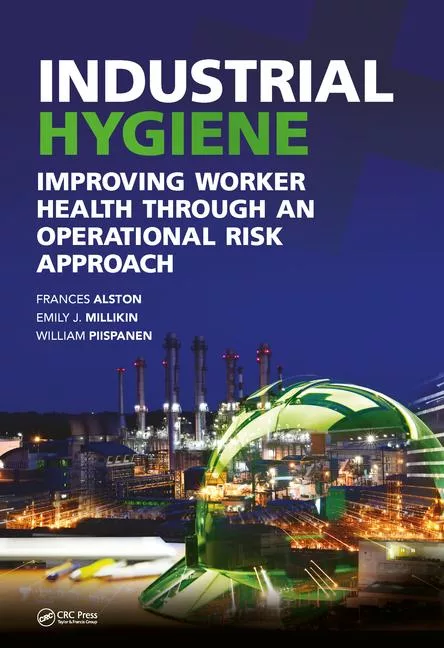
    Industrial Hygiene: Improving Worker Health through an Operational Risk Approach

  • 1118911040.jpg

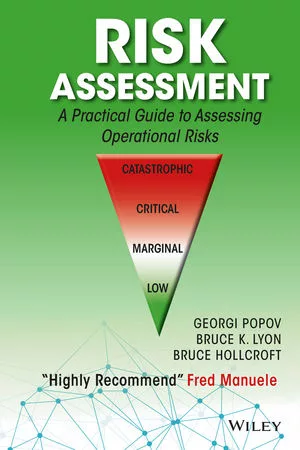
    Risk Assessment: A Practical Guide to Assessing Operational Risks

  • 1119906652.webp

    Alive and Well at the End of the Day: The Supervisor's Guide to Managing Safety in Operations, 2E

See More Products

Related Directories

  • SafetyLine Lone Worker

    SafetyLine Lone Worker helps companies monitor the status of workers who are remote, alone, or working in hazardous situations. We are an automated check-in monitoring and emergency notification service. SafetyLine uses its communications infrastructure to ensure that workers have comprehensive monitoring, 24/7, without the need for costly monitoring centers.
×

Become a Leader in Safety Culture

Build your knowledge with ISHN, covering key safety, health and industrial hygiene news, products, and trends.

JOIN TODAY
  • RESOURCES
    • Advertise
    • Contact Us
    • Directories
    • Manufacturing Division
    • Store
    • Want More
  • SIGN UP TODAY
    • Create Account
    • eMagazine
    • Newsletters
    • Customer Service
    • Manage Preferences
  • SERVICES
    • Marketing Services
    • Reprints
    • Market Research
    • List Rental
    • Survey/Respondent Access
  • STAY CONNECTED
    • LinkedIn
    • Facebook
    • YouTube
    • X (Twitter)
  • PRIVACY
    • PRIVACY POLICY
    • TERMS & CONDITIONS
    • DO NOT SELL MY PERSONAL INFORMATION
    • PRIVACY REQUEST
    • ACCESSIBILITY

Copyright ©2026. All Rights Reserved BNP Media, Inc. and BNP Media II, LLC.

Design, CMS, Hosting & Web Development :: ePublishing