ISHN logo
search
cart
facebook twitter linkedin youtube
  • Sign In
  • Create Account
  • Sign Out
  • My Account
ISHN logo
  • NEWS
    • Today's News
    • Global Safety News
    • Government Regulations
  • PRODUCTS
    • Product Innovations
    • Featured Products
  • TOPICS
    • Environmental Health and Safety
    • Facility Safety
    • Workplace Health
    • Occupational Safety
    • PPE
    • More Topics
  • CONSTRUCTION
  • TECHNOLOGY
  • COLUMNS
    • Best Practices
    • Dave Johnson: What’s going on
    • Editorial Comments
    • Leading Safety
  • MULTIMEDIA
    • ISHN Podcast
    • Videos
    • Cold Stress Education Quiz
    • Webinars
    • White Papers
  • MORE
    • Buyer's Guide
    • Newsletters
    • Convention Companion
    • Polls
    • Events
    • ISHN Store
    • Sponsor Insights
  • EMAGAZINE
    • eMagazine
    • Archived Issues
    • Contact
    • Advertise
  • JOIN TODAY!
Today's Safety NewsFacility Safety

Improved lighting in mines could reduce slips, trips & falls

NIOSH researching LED illumination possibilities
May 13, 2013
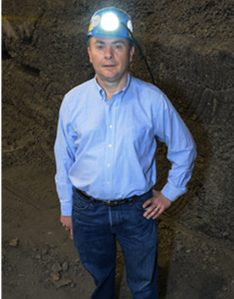
OMSHR researcher John Sammarco in the simulated mining environment where he tests the NIOSH LED prototype cap lamp.
OMSHR researcher John Sammarco testing the
NIOSH LED prototype cap lamp in a simulated
mining environment.

NIOSH research related to improved illumination in underground mines could be a key to reducing the second leading accident class of nonfatal lost-time injuries—slips, trips, and falls.

While previous efforts have focused on such factors as cost, battery life, and miner preference, NIOSH says its latest illumination research takes a more modern approach—conducting experiments to assess human visual performance in simulated mining environments and using the experimental results to design improved illumination technologies.

Aging eyes a factor

With a recent national survey indicating the average mine worker age is 43.3 years, NIOSH human subject testing is focusing specifically on how the aging eye responds to light color, light distribution, and glare. As a person ages, there is greater sensitivity to glare, and a reduced amount of light reaches the retina because of smaller pupil size and the yellowing of the eye lens. In response, NIOSH has designed human subject experiments examining how differently lit environments and different lighting options can affect safety in relation to the body’s physical and visual performance. These experiments measure variables such as visual performance with respect to detecting mine hazards, glare, head tilt, walking speed, and a person’s ability to maintain balance.

Accident data from the Mine Safety and Health Administration (MSHA) for the years 2007–2011 indicate that slips, trips, and falls are one of the most significant injury classes in underground mines. OMSHR researchers are targeting this problem by using the results from its human subject experiments to develop optimized light-emitting diode (LED) technology, which could revolutionize mine illumination.

Why LEDs?

LEDs are robust because they have no glass envelope or a filament that can break, and each LED can provide useful light in excess of 50,000 hours of operation. By comparison, the incandescent bulb can provide about 1,000 to 3,000 hours. This substantially longer life for LEDs has a noteworthy impact on safety, in that there is far less potential for mining injuries directly associated with the maintenance and repair necessary when the inevitable lamp failures occur. From 2002 to 2006, an average of 28 accidents involving lighting occurred annually in US mines, with the greatest number of these taking place when employees were repairing or maintaining lighting.

Test results with LED lighting show significant improvements that directly affect mine worker safety, in particular for a NIOSH-developed LED prototype cap lamp designed to improve visual performance. In a comparative study on light color using an incandescent cap lamp, a commercially available LED cap lamp, and the NIOSH prototype, the NIOSH prototype improved the ability of older subjects to detect moving hazards by 15% and trip hazards by 23.7%, and discomfort glare was reduced by 45%. In a light distribution study comparing three commercially available LED cap lamps to the NIOSH prototype, the prototype improved the ability to perceive objects in the visual field by as much as 79.5%, with no increase in discomfort glare.

Researching smoke-filled environments

Applying the above lessons learned to future research, NIOSH is currently exploring improvements to self-escape and rescue lighting, and studying the effectiveness of the LED prototype cap lamp and laser lighting in a smoke-filled environment. Other ongoing or planned human subject experiments include testing the use of short wave lighting to improve cognitive performance for workers who work during night shifts, and determining the best way to provide workers on roof bolter machines with improved lighting that will reduce glare and improve their ability to detect hazards and perform their work tasks.

KEYWORDS: mining industry NIOSH research slips, trips and falls

Share This Story

Looking for a reprint of this article?
From high-res PDFs to custom plaques, order your copy today!

Recommended Content

JOIN TODAY
to unlock your recommendations.

Already have an account? Sign In

  • forklift safety

    Exploring the latest technologies in forklift safety

    With more staff and more stock in warehousing now more...
    Facility Safety
    By: Josh Cramer
  • welding

    All about welder’s flash or arc eye

    A flash burn is a painful inflammation of the cornea,...
    Environmental Health and Safety
  • dangerous jobs

    The 10 most dangerous jobs in the U.S.

    On-the-job deaths have been rising — hitting the highest...
    Occupational Safety
    By: Benita Mehta
Manage My Account
  • eMagazine Subscriptions
  • ISHN Newsletter & Other Newsletter Alerts
  • Online Registration
  • Manage My Preferences
  • Subscription Customer Service

More Videos

Sponsored Content

Sponsored Content is a special paid section where industry companies provide high quality, objective, non-commercial content around topics of interest to the ISHN audience. All Sponsored Content is supplied by the advertising company and any opinions expressed in this article are those of the author and not necessarily reflect the views of ISHN or its parent company, BNP Media. Interested in participating in our Sponsored Content section? Contact your local rep!

close
  • man wearing the the Sundström SR200 Full Face Mask Respirator
    Sponsored byOHD

    5 Fit Testing Mistakes That Could Cost You

  • This image shows Magid AcuSpex polarized blue mirrored safety glasses.
    Sponsored byMagid Glove and Safety

    Construction PPE Guide: What Crews Need for Each Task

  • lone worker in confined space
    Sponsored byAlphasense Ltd.

    GET THE LEAD OUT of your Safety Oxygen Sensors!

Popular Stories

SpaceX 7 launch

OSHA Investigating Fatal Fall at SpaceX Starbase

dust explosion

Tennessee OSHA Issues Record $3.1M Fine After Deadly Explosion at Munitions Plant

roofing dangerous jobs Getty.jpg

OSHA Finds Florida Roofing Company Willfully Exposed Workers to Safety Hazards After Worker’s Fatal Fall

top 10 most dangerous jobs

Poll

Seasonal Readiness

With the federal heat stress prevention rule on the horizon, which area of your safety program needs the most attention?
View Results Poll Archive

Products

Surviving an OSHA Audit A Management Guide, 2nd Edition

Surviving an OSHA Audit A Management Guide, 2nd Edition

See More Products

ISHN Podcasts

Related Articles

  • Does slip-resistant footwear reduce slips, trips, and falls in food service?

    See More
  • ISHN0717_F8_pic.jpg

    In the slickest conditions you can prevent slips, trips & falls

    See More
  • How to prevent same-level slips, trips & falls

    How to prevent same-level slips, trips & falls

    See More

Related Directories

  • Fenix Lighting

    Fenix builds quality LED lights for hands, heads and handlebars. Whether outdoor and hunting enthusiasts or professionals in public safety, industrial services or the military, Fenix offers an array of lights for every lighting demand. Fenix offers the highest standards in quality, performance and customer service. For more than 10 years, Fenix has manufactured all products in its company-owned facility in Shenzhen, China, and exceeds industry ANSI/NEMA FL-1 standards with additional in-house testing protocols.
×

Become a Leader in Safety Culture

Build your knowledge with ISHN, covering key safety, health and industrial hygiene news, products, and trends.

JOIN TODAY
  • RESOURCES
    • Advertise
    • Contact Us
    • Directories
    • Manufacturing Division
    • Store
    • Want More
  • SIGN UP TODAY
    • Create Account
    • eMagazine
    • Newsletters
    • Customer Service
    • Manage Preferences
  • SERVICES
    • Marketing Services
    • Reprints
    • Market Research
    • List Rental
    • Survey/Respondent Access
  • STAY CONNECTED
    • LinkedIn
    • Facebook
    • YouTube
    • X (Twitter)
  • PRIVACY
    • PRIVACY POLICY
    • TERMS & CONDITIONS
    • DO NOT SELL MY PERSONAL INFORMATION
    • PRIVACY REQUEST
    • ACCESSIBILITY

Copyright ©2026. All Rights Reserved BNP Media, Inc. and BNP Media II, LLC.

Design, CMS, Hosting & Web Development :: ePublishing