ISHN logo
search
cart
facebook twitter linkedin youtube
  • Sign In
  • Create Account
  • Sign Out
  • My Account
ISHN logo
  • NEWS
    • Today's News
    • Global Safety News
    • Government Regulations
  • PRODUCTS
    • Product Innovations
    • Featured Products
  • TOPICS
    • Environmental Health and Safety
    • Facility Safety
    • Workplace Health
    • Occupational Safety
    • PPE
    • More Topics
  • CONSTRUCTION
  • TECHNOLOGY
  • COLUMNS
    • Best Practices
    • Dave Johnson: What’s going on
    • Editorial Comments
    • Leading Safety
  • MULTIMEDIA
    • ISHN Podcast
    • Videos
    • Cold Stress Education Quiz
    • Webinars
    • White Papers
  • MORE
    • Buyer's Guide
    • Newsletters
    • Convention Companion
    • Polls
    • Events
    • ISHN Store
    • Sponsor Insights
  • EMAGAZINE
    • eMagazine
    • Archived Issues
    • Contact
    • Advertise
  • JOIN TODAY!

"Top 10 Golden Rules of Safety" to prevent needlestick injuries
July 8, 2013

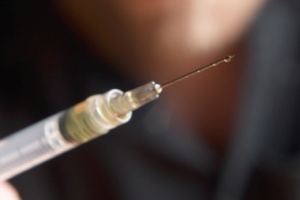
injectionAs part of its ongoing mission to eliminate needlestick and sharps injuries in healthcare, Safe in Common (SIC) has issued the "Top 10 Golden Rules of Safety." This set of guidelines was outlined in conjunction with supporters to unify the industry around efforts to fight needlestick injuries and raise awareness about effective prevention techniques.

A "never" event

The list is predicated on making injuries a "never" event and dictates that personnel using or purchasing sharps consider the following rules:

  • The design and activation of the safety mechanism is automatic and will not interfere with normal operating procedures and processes
  • The device is intuitive and requires no additional steps for use than equivalent standard/conventional device
  • The contaminated, non-sterile sharp will be rendered safe prior to removal or exposure to the environment
  • Activation of the safety mechanism does not require the healthcare worker to undertake any additional steps during normal process/protocols providing patient care
  • Activation of the safety mechanism will not create additional occupational hazards (such as aerosolization, splatter, exposure to OPIM, etc.)
  • Activation of the safety mechanism does not cause additional discomfort or harm to the patient
  • The device will be ergonomically designed for comfort, allowing for automatic one-handed use during all stages of patient procedure
  • The safer engineering control is available in sizes and iterations appropriate for all areas of use relevant to the patient care needs
  • Disposal of safety device will not increase waste disposal volumes but should incorporate designs to reduce waste
  • The used safety device will provide convenient disposal and mitigate any risk of reuse or re-exposure of the non-sterile sharp

"For the first time, the most experienced healthcare leaders have joined together to outline the rules for what it takes to keep all healthcare personnel safe and free of injury," said Barbara DeBaun, RN, MSN, CIC and Improvement Advisor for Cynosure HealthCare environments, who helped advise Safe in Common on these guidelines. "With these rules, we're getting the industry thinking about where we are and where we need to go to make safety a priority and injuries a never event."

To test the degree to which safety engineering controls have evolved, SIC evaluated whether the sharps devices on display at the conference were safe, simple and secure as outlined in the Golden Rules standards.

"Hand washing, surface disinfectant and devices designed to identify and eradicate bugs are prevalent, but there is lack of attention on devices aimed at healthcare worker safety and patient safety needs to prevent sharps injuries," said Safe in Common Chairperson Mary Foley, PhD, RN. "It was disappointing that so few safety devices have emerged that protect the patient and healthcare worker before, during

The "Top 10 Golden Rules" were also shared with some 800 healthcare leaders and personnel from across the globe who joined Safe in Common's panel of experts for "The Unfinished Agenda: When Will Healthcare Worker Sharps Injuries Become a Never Event?"  

For more information about Safe in Common and the Organization's ongoing work to raise awareness of needlestick safety and promote utilizing safer engineering controls that protect healthcare workers from unnecessary needlestick- and sharps-related injuries, please visit http://www.safeincommon.org.

About Safe in Common

Safe in Common is a non-profit organization established to enhance and save the lives of U.S. healthcare personnel at risk of harm from needlestick injuries. It is led by Chairperson Mary Foley, PhD, RN, former President of the American Nursing Association and other industry leaders. To learn more about the Needlestick Safety Pledge and its goal of promoting and strengthening the Federal Needlestick Safety and Prevention Act, go to www.facebook.com/safeincommonand follow Safe in Common on Twitter at www.twitter.com/safeincommon. 

KEYWORDS: healthcare worker safety injuries

Share This Story

Looking for a reprint of this article?
From high-res PDFs to custom plaques, order your copy today!

Recommended Content

JOIN TODAY
to unlock your recommendations.

Already have an account? Sign In

  • forklift safety

    Exploring the latest technologies in forklift safety

    With more staff and more stock in warehousing now more...
    Workplace Training Strategies
    By: Josh Cramer
  • welding

    All about welder’s flash or arc eye

    A flash burn is a painful inflammation of the cornea,...
    Environmental Health and Safety
  • dangerous jobs

    The 10 most dangerous jobs in the U.S.

    On-the-job deaths have been rising — hitting the highest...
    Transportation Safety
    By: Benita Mehta
Manage My Account
  • eMagazine Subscriptions
  • ISHN Newsletter & Other Newsletter Alerts
  • Online Registration
  • Manage My Preferences
  • Subscription Customer Service

More Videos

Sponsored Content

Sponsored Content is a special paid section where industry companies provide high quality, objective, non-commercial content around topics of interest to the ISHN audience. All Sponsored Content is supplied by the advertising company and any opinions expressed in this article are those of the author and not necessarily reflect the views of ISHN or its parent company, BNP Media. Interested in participating in our Sponsored Content section? Contact your local rep!

close
  • man wearing the the Sundström SR200 Full Face Mask Respirator
    Sponsored byOHD

    5 Fit Testing Mistakes That Could Cost You

  • This image shows Magid AcuSpex polarized blue mirrored safety glasses.
    Sponsored byMagid Glove and Safety

    Construction PPE Guide: What Crews Need for Each Task

  • lone worker in confined space
    Sponsored byAlphasense Ltd.

    GET THE LEAD OUT of your Safety Oxygen Sensors!

Popular Stories

SpaceX 7 launch

OSHA Investigating Fatal Fall at SpaceX Starbase

dust explosion

Tennessee OSHA Issues Record $3.1M Fine After Deadly Explosion at Munitions Plant

roofing dangerous jobs Getty.jpg

OSHA Finds Florida Roofing Company Willfully Exposed Workers to Safety Hazards After Worker’s Fatal Fall

top 10 most dangerous jobs

Poll

Seasonal Readiness

With the federal heat stress prevention rule on the horizon, which area of your safety program needs the most attention?
View Results Poll Archive

Products

Surviving an OSHA Audit A Management Guide, 2nd Edition

Surviving an OSHA Audit A Management Guide, 2nd Edition

See More Products

ISHN Podcasts

Related Articles

  • New testing helps prevent needlestick injuries

    See More
  • The golden rules of confined space entry

    See More
  • Make needlestick injuries a "never" event

    See More

Related Directories

  • American Society of Safety Professionals (ASSP)

    The American Society of Safety Professionals (ASSP) is a global association of occupational safety and health professionals who are dedicated to workplace safety. We provide education, safety standards, advocacy and a professional community that supports our diverse members and the profession.
  • Alliance of Women’s Safety Apparel Manufacturers (AWSAM)

    The Alliance of Women's Safety Apparel Manufacturers is a collection of specialty manufacturers and distributors committed to providing properly designed and fitted PPE for women. Our foundational pillars are Awareness, Access and Advocacy. Our non-profit organization has 12 Founding Members and aligns the needs of women in the workforce and the companies they work for with specialty manufacturers dedicated to providing appropriate PPE for women. The Founding Members of the organization have made great strides in removing barriers to access that have existed for many years and kept women from being equally protected. Together, we create a platform that increases awareness of products made for women, encourages equal access to appropriately fitting PPE, and advocates for the safety of women in the workforce. In the spirit of co-opetition, we collaborate to envision what is next for women in industry as we work side by side to accomplish our mission, increase our impact, and share the journey with everyone seeking to elevate diversity and equality in their workplace.
×

Become a Leader in Safety Culture

Build your knowledge with ISHN, covering key safety, health and industrial hygiene news, products, and trends.

JOIN TODAY
  • RESOURCES
    • Advertise
    • Contact Us
    • Directories
    • Manufacturing Division
    • Store
    • Want More
  • SIGN UP TODAY
    • Create Account
    • eMagazine
    • Newsletters
    • Customer Service
    • Manage Preferences
  • SERVICES
    • Marketing Services
    • Reprints
    • Market Research
    • List Rental
    • Survey/Respondent Access
  • STAY CONNECTED
    • LinkedIn
    • Facebook
    • YouTube
    • X (Twitter)
  • PRIVACY
    • PRIVACY POLICY
    • TERMS & CONDITIONS
    • DO NOT SELL MY PERSONAL INFORMATION
    • PRIVACY REQUEST
    • ACCESSIBILITY

Copyright ©2026. All Rights Reserved BNP Media, Inc. and BNP Media II, LLC.

Design, CMS, Hosting & Web Development :: ePublishing