ISHN logo
search
cart
facebook twitter linkedin youtube
  • Sign In
  • Create Account
  • Sign Out
  • My Account
ISHN logo
  • NEWS
    • Today's News
    • Global Safety News
    • Government Regulations
  • PRODUCTS
    • Product Innovations
    • Featured Products
  • TOPICS
    • Environmental Health and Safety
    • Facility Safety
    • Workplace Health
    • Occupational Safety
    • PPE
    • More Topics
  • CONSTRUCTION
  • TECHNOLOGY
  • COLUMNS
    • Best Practices
    • Dave Johnson: What’s going on
    • Editorial Comments
    • Leading Safety
  • MULTIMEDIA
    • ISHN Podcast
    • Videos
    • Cold Stress Education Quiz
    • Webinars
    • White Papers
  • MORE
    • Buyer's Guide
    • Newsletters
    • Convention Companion
    • Polls
    • Events
    • ISHN Store
    • Sponsor Insights
  • EMAGAZINE
    • eMagazine
    • Archived Issues
    • Contact
    • Advertise
  • JOIN TODAY!
Today's Safety NewsWorkplace Health

One in 10 deaths among working-age adults due to excessive drinking

June 30, 2014

alcoholExcessive alcohol use accounts for one in 10 deaths among working-age adults ages 20-64 years in the United States, according to a report from the Centers for Disease Control and Prevention (CDC) published recently in Preventing Chronic Disease.

Excessive alcohol use led to approximately 88,000 deaths per year from 2006 to 2010, and shortened the lives of those who died by about 30 years. These deaths were due to health effects from drinking too much over time, such as breast cancer, liver disease, and heart disease; and health effects from drinking too much in a short period of time, such as violence, alcohol poisoning, and motor vehicle crashes. In total, there were 2.5 million years of potential life lost each year due to excessive alcohol use.

States with highest and lowest death rates

Nearly 70 percent of deaths due to excessive drinking involved working-age adults, and about 70 percent of the deaths involved males. About 5 percent of the deaths involved people under age 21. The highest death rate due to excessive drinking was in New Mexico (51 deaths per 100,000 population), and the lowest was in New Jersey (19.1 per 100,000).

“Excessive alcohol use is a leading cause of preventable death that kills many Americans in the prime of their lives,” said Ursula E. Bauer, Ph.D., M.P.H., director of CDC’s National Center for Chronic Disease Prevention and Health Promotion. “We need to redouble our efforts to implement scientifically proven public health approaches to reduce this tragic loss of life and the huge economic costs that result.”

Lost productivity, reduced earnings

Excessive drinking includes binge drinking (4 or more drinks on an occasion for women, 5 or more drinks on an occasion for men), heavy drinking (8 or more drinks a week for women, 15 or more drinks a week for men), and any alcohol use by pregnant women or those under the minimum legal drinking age of 21. Excessive drinking cost the United States about $224 billion, or $1.90 per drink, in 2006. Most of these costs were due to lost productivity, including reduced earnings among excessive drinkers as well as deaths due to excessive drinking among working age adults.

To estimate deaths due to excessive drinking, CDC scientists analyzed data from the Alcohol-Related Disease Impact (ARDI) application for 2006-2010.  ARDI provides national and state-specific estimates of alcohol-attributable deaths and years of potential life lost. ARDI currently includes 54 causes of death for which estimates of alcohol involvement were either directly available or could be calculated based on existing scientific information.

Public health impact is "shocking"

“It’s shocking to see the public health impact of excessive drinking on working-age adults,” said Robert Brewer, M.D., M.S.P.H., head of CDC’s Alcohol Program and one of the report’s authors. “CDC is working with partners to support the implementation of strategies for preventing excessive alcohol use that are recommended by the Community Preventive Services Task Force, which can help reduce the health and social cost of this dangerous risk behavior.”

The independent HHS Community Preventive Services Task Force recommends several evidence-based strategies to reduce excessive drinking. These include increasing alcohol taxes, regulating alcohol outlet density, and avoiding further privatization of alcohol retail sales.

For more information about excessive drinking, including binge drinking, and how to prevent this dangerous behavior, visit the CDC’s Alcohol and Public Health website at http://www.cdc.gov/alcohol/index.htm. Members of the public who are concerned about their own or someone else's drinking can call 1-800-662-HELP to receive assistance from the national Drug and Alcohol Treatment Referral Routing Service. 

For state-specific estimates of deaths and years of potential life lost due to excessive drinking by condition, visit the ARDI online application at https://apps.nccd.cdc.gov/ardi/HomePage.aspx.

KEYWORDS: Centers for Disease Control (CDC) public health substance abuse

Share This Story

Looking for a reprint of this article?
From high-res PDFs to custom plaques, order your copy today!

Recommended Content

JOIN TODAY
to unlock your recommendations.

Already have an account? Sign In

  • forklift safety

    Exploring the latest technologies in forklift safety

    With more staff and more stock in warehousing now more...
    Workplace Training Strategies
    By: Josh Cramer
  • welding

    All about welder’s flash or arc eye

    A flash burn is a painful inflammation of the cornea,...
    Environmental Health and Safety
  • dangerous jobs

    The 10 most dangerous jobs in the U.S.

    On-the-job deaths have been rising — hitting the highest...
    Government Safety Regulations
    By: Benita Mehta
Manage My Account
  • eMagazine Subscriptions
  • ISHN Newsletter & Other Newsletter Alerts
  • Online Registration
  • Manage My Preferences
  • Subscription Customer Service

More Videos

Sponsored Content

Sponsored Content is a special paid section where industry companies provide high quality, objective, non-commercial content around topics of interest to the ISHN audience. All Sponsored Content is supplied by the advertising company and any opinions expressed in this article are those of the author and not necessarily reflect the views of ISHN or its parent company, BNP Media. Interested in participating in our Sponsored Content section? Contact your local rep!

close
  • man wearing the the Sundström SR200 Full Face Mask Respirator
    Sponsored byOHD

    5 Fit Testing Mistakes That Could Cost You

  • This image shows Magid AcuSpex polarized blue mirrored safety glasses.
    Sponsored byMagid Glove and Safety

    Construction PPE Guide: What Crews Need for Each Task

  • lone worker in confined space
    Sponsored byAlphasense Ltd.

    GET THE LEAD OUT of your Safety Oxygen Sensors!

Popular Stories

SpaceX 7 launch

OSHA Investigating Fatal Fall at SpaceX Starbase

Worker Impairment

How to Tell When a Co-Worker is Impaired? A Safety Pro’s Challenge

Automated loading dock equipment

After March 2026 Rivian Death, Safety Managers Reassess Loading Dock Systems Under OSHA's Warehouse Emphasis Program

top 10 most dangerous jobs

Poll

Seasonal Readiness

With the federal heat stress prevention rule on the horizon, which area of your safety program needs the most attention?
View Results Poll Archive

Products

Surviving an OSHA Audit A Management Guide, 2nd Edition

Surviving an OSHA Audit A Management Guide, 2nd Edition

See More Products

ISHN Podcasts

Related Articles

  • One in ten working-age adults die from excessive alcohol use

    See More
  • One in 10 pregnant women in the United States reports drinking alcohol

    See More
  • 1/5 of U.S. asthma deaths may be due to workplace exposures

    See More

Related Products

See More Products
  • 111885960X.jpg

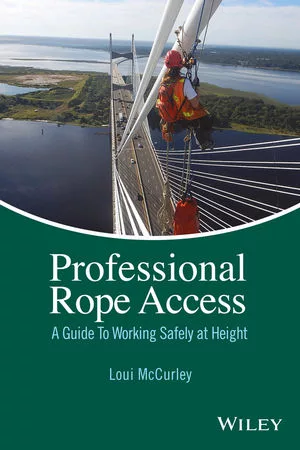
    Professional Rope Access: A Guide To Working Safely at Height

  • Top Ten Pitfalls in OSHA Recordkeeping and How to Avoid Them

See More Products

Related Directories

  • Safe Site Check In LLC

    Make Jobsite Management Easy(™). Safe Site Check In saves jobsite safety, super, project, and cost managers hours a day including: Digital badging, onboarding & training, Safety screening, Daily log creation Safety JSA, EAP, SDS Project management integration, Subcontractor management, Remote site monitoring, Worker profiles, Incident investigations.
×

Become a Leader in Safety Culture

Build your knowledge with ISHN, covering key safety, health and industrial hygiene news, products, and trends.

JOIN TODAY
  • RESOURCES
    • Advertise
    • Contact Us
    • Directories
    • Manufacturing Division
    • Store
    • Want More
  • SIGN UP TODAY
    • Create Account
    • eMagazine
    • Newsletters
    • Customer Service
    • Manage Preferences
  • SERVICES
    • Marketing Services
    • Reprints
    • Market Research
    • List Rental
    • Survey/Respondent Access
  • STAY CONNECTED
    • LinkedIn
    • Facebook
    • YouTube
    • X (Twitter)
  • PRIVACY
    • PRIVACY POLICY
    • TERMS & CONDITIONS
    • DO NOT SELL MY PERSONAL INFORMATION
    • PRIVACY REQUEST
    • ACCESSIBILITY

Copyright ©2026. All Rights Reserved BNP Media, Inc. and BNP Media II, LLC.

Design, CMS, Hosting & Web Development :: ePublishing