The soldier who died after going missing during land navigation training at Camp Blanding, Florida, died from heat exposure, officials have ruled.
Spc. Calyn McLemore went missing June 20. He was found dead two days later in a wooded area of the installation.
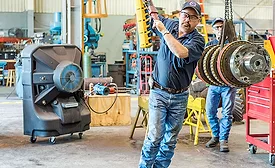
Outdoor work is a year-round phenomenon, with construction and agriculture among industries that see many employees working outside during the colder months. Along with the changing of the seasons, there are other risk factors you should consider if part or the majority of your workforce operates outdoors, especially if working long shifts.
Exposure to extreme temperatures can result in occupational illnesses and injuries. Heat stress can result in heat stroke, heat exhaustion, heat cramps, or heat rashes. Heat can also increase the risk of injuries in workers due to sweaty palms, fogged-up safety glasses, and dizziness.
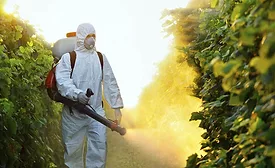
Outdoor workers are exposed to many hazards, depending on their type of work, location, time of year, and amount of time spent outside. Outdoor workers need to be trained about hazards, including hazard identification and recommendations for preventing and controlling exposures.
The statistics are shocking. On average, one child dies from heatstroke in a vehicle nearly every 10 days in the United States. Since 1998, there have been 760 pediatric vehicular heatstroke deaths – including 18 already this year.
The Black Lung Benefits Program is more than $4 billion dollars in debt, and a 55 percent reduction scheduled at the end of 2018 in the production tax paid by coal companies will cause that deficit to nearly quadruple over the next 30 years, according to a recent report by the United States Government Accountability Office (GAO).
General industry and maritime employers must comply with OSHA’s silica standard by June 23, except for phase-in dates for medical surveillance and for engineering controls in the oil and gas industry.
According to the Bureau of Labor and Statistics, in 2015 there were 2,905,900 recordable cases of workplace injuries and 4,836 workplace fatalities. All companies should have an Injury and Illness Prevention Program (IIPP) to help identify hazards in the workplace and protect all employees.
The rapid rise in severe cases of black lung disease has seen a corresponding increase in lifesaving and expensive lung transplants, which are mostly paid for by public insurance, according to a new study by the National Institute for Occupational Safety and Health (NIOSH). Researchers found that the rate of lung transplants related to coal workers’ pneumoconiosis (CWP) has increased nearly threefold.
AIHce showed a movie matinee on Tuesday. The documentary, “Complicit,” takes the audience to the worldʼs electronics factory floors, revealing the situations under which Chinaʼs youth population has shifted by the millions in search of a better life. The documentary focuses on exposures to benzene and n-hexane and the workers and activists putting pressure on the major companies and brands to prevent the exposures that changed their lives.