MSD rates in construction take a surprising turn, Amazon criticized in new report and workplace safety experts want Congress to take it slow on marijuana legalization. These were among the top stories featured on ISHN.com this week.
A next generation air monitor, smart hearing protection and lightweight foot protection were among the top occupational safety and health products featured on ISHN.com this week.
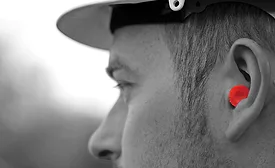
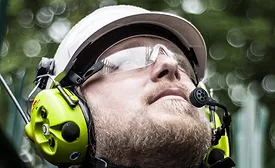
When loud noises cannot be reduced or eliminated through engineering controls, workers who are exposed to them must use hearing protection devices (HPDs) to conserve their hearing. This notion is not new, nor is the concept that HPDs require fit-testing to be effective.
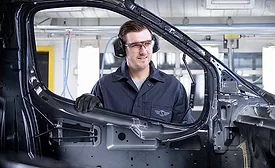
Millions of workers are exposed to hearing hazards every year, and even though OSHA regulations and NIOSH recommendations in the U.S. specify hearing protection, occupational hearing loss is still the number one reported worker illness in manufacturing*.
Excessive noise is prevalent across industries. From manufacturing to construction, agriculture to oil and gas, more than 22 million U.S. workers are exposed to hazardous noise each year.1 Wherever unsafe levels of noise exist, employers are responsible for providing hearing protection devices (HPDs).
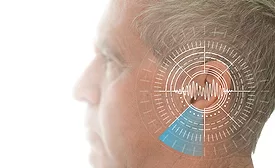
If you hear someone say “noise monitoring,” what do you picture? If you are like most people, your mind probably goes first to settings with heavy equipment in use versus a more recreational environment, given the historical regulations necessitating hearing protection in those settings.
Among the many events organized around this year’s World Hearing Day is a Wikipedia Edit-a-Wikipedia Edit-a-ThonExternal led by the National Institute for Occupational Safety and Health (NIOSH).
Established by the World Health Organization, World Hearing Day is held on March 3rd every year and is aimed at raising awareness on how to prevent deafness and hearing loss and promote ear and hearing care across the world.
Loud noises such as a backing semi-trailer or a fire alarm alert workers of impending danger. However, loud noises themselves can be dangerous, causing a host of immediate and long-term problems for employees and operations.
This article aims to recap basic information about hearing protection and how to help prevent long-term hearing loss. This is an important topic that should be reinforced in order to ensure workers are provided a comprehensive and efficient hearing protection products and programs.
FR protective clothing was a HOT topic in 2018 – from how to wear it during extreme heat and extreme cold, to what private industry can all learn from the Navy’s FR program. A back-of-the-hand protection standard for work gloves, how work boots are getting lighter (but staying strong) and the need to protect first responders from fentanyl exposure were among the top PPE stories of 2018: