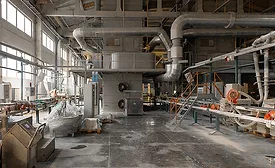
Indoor air quality (IAQ) refers to the air quality within and around buildings and structures, especially as it relates to the health and comfort of building occupants.
Before COVID-19, the acronym PPE was not known by most people. Industrial workers, first responders, and healthcare workers are familiar with Personal Protective Equipment (PPE) because they use it every day. However, on an ordinary day, using the PPE acronym in a conversation, usually required some sort of explanation.
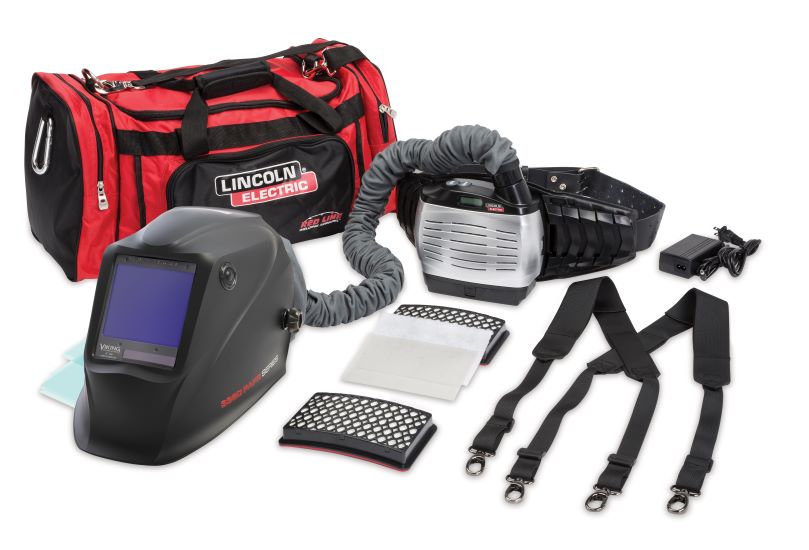
In welding operations, controlling airborne dust and fumes is crucial to prevent respiratory problems in employees and to keep facilities in compliance with air quality requirements.
In response to COVID-19, the respiratory and hearing protection manufacturer, Moldex is working around-the-clock to meet the demands for
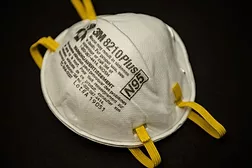
respiratory safety masks
Claudio Dente is a 40-year veteran of the safety industry, and he’s never seen anything like the crisis brought on by the COVID-19 pandemic. In a matter of months it’s wreaked havoc with the PPE market.
In response to COVID-19, global professional services company GHD rapidly developed and deployed a digital tool to help clients meet regulatory and operational requirements for essential employees.
Employee exposure to airborne contaminates in the working environment and an insufficient respiratory program, or the lack of one, may result in OSHA violations and fines. It is essential as an employer to understand the importance of respiratory protection and when a Respiratory Protection Program (RPP) is needed.
Although we talk about a company’s bottom line as the reason to implement engineering controls to reduce or eliminate respiratory hazards in the workplace, that doesn’t mean most organizations put profit above worker safety.