The revised standard strengthens requirements for incident reporting and analysis, and includes modifications that address today’s vehicles, technologies and operating environments.
G300-2023 is designed to reduce risk of injury from generator misuse in enclosed spaces. The standard includes CO-shut off technology and has received approval from the American National Standards Institute (ANSI).
Jennifer McNelly, CAE, will continue her full-time role at ASSP during her time on the ANSI board. She will attend ANSI’s board meeting and year-end event as a guest on Dec. 6-7 in Washington, D.C.
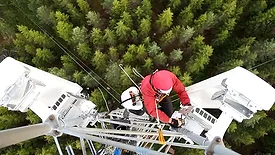
The recently updated ANSI/ASSP Z359.11-2021 standard establishes requirements for the performance, design, marking, qualification, instruction, training, test methods, inspection use, maintenance and removal from service of full-body harnesses.
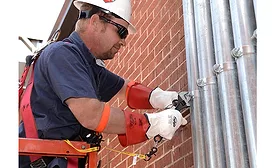
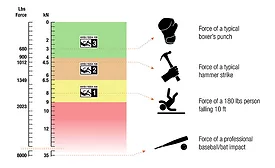
As part of efforts to reduce the injury toll, ANSI/ISEA 138, the American national standard for performance and classification for impact resistant hand protection, was published in March 2019.
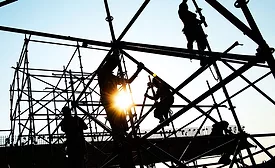
You don’t need a vivid imagination to picture the dangers of a falling tool. A small 1” socket falling from a height of only 30 feet can cause great bodily injury, or even death, if it strikes someone.
The ANSI/ISEA 138:2019 standard fills a critical gap in the industrial glove standards infrastructure. One question often asked by end-users is: what performance level is appropriate for application needs?
ANSI/ISEA 121-2018 is a standard that consists of design, testing, performance and labeling requirements for tool tethering systems and containers used to transport and secure tools and equipment at heights.