ISHN logo
search
cart
facebook twitter linkedin youtube
  • Sign In
  • Create Account
  • Sign Out
  • My Account
ISHN logo
  • NEWS
    • Today's News
    • Global Safety News
    • Government Regulations
  • PRODUCTS
    • Product Innovations
    • Featured Products
  • TOPICS
    • Environmental Health and Safety
    • Facility Safety
    • Workplace Health
    • Occupational Safety
    • PPE
    • More Topics
  • CONSTRUCTION
  • TECHNOLOGY
  • COLUMNS
    • Best Practices
    • Dave Johnson: What’s going on
    • Editorial Comments
    • Leading Safety
  • MULTIMEDIA
    • ISHN Podcast
    • Videos
    • Cold Stress Education Quiz
    • Webinars
    • White Papers
  • MORE
    • Buyer's Guide
    • Newsletters
    • Convention Companion
    • Polls
    • Events
    • ISHN Store
    • Sponsor Insights
  • EMAGAZINE
    • eMagazine
    • Archived Issues
    • Contact
    • Advertise
  • JOIN TODAY!
Occupational SafetyPPEConstruction Industry Safety and Health

How to prioritize visibility for outdoor summer workers
By Scott A. Corrao
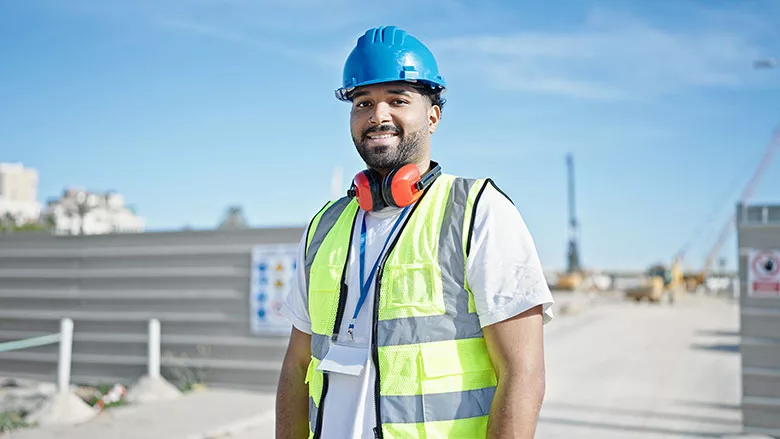
worker wearing high visibility (hi-vis) apparel

Photo credit: Iryna Melnyk / Getty Images

July 26, 2024

While there are many areas of safety concern in the workplace, two important areas of safety for outdoor workers that cannot be ignored are visibility and heat safety. Employees who wear high visibility (hi-vis) apparel must be both visible and comfortable in high temperatures. No compromises can be made on either front.

If not addressed promptly, heat stress and heat illness pose significant dangers to individuals. Conditions may range from mild heat cramps to dehydration, heat rash, heat exhaustion or even heat stroke. Heatstroke is a life-threatening emergency characterized by a dangerously high body temperature (above 104°F or 40°C) and central nervous system dysfunction.

Heat is attributed as the underlying cause of an estimated 2,062 deaths nationwide in 2023. In addition, the average annual heat-related deaths are up 95 percent in the U.S. from 2010 to 2022, according to CDC Wonder. These dangers highlight the importance of developing comprehensive heat stress policies to prevent heat-related illnesses. Such policies can include provisions for frequent breaks, access to shaded areas, hydration stations, education on recognizing symptoms of heat illness, as well as mandating appropriate clothing like breathable hi-vis gear. 

Below are three factors to consider when choosing hi-vis gear to keep employees both visible and cool this summer.


1. ANSI/ISEA compliance

Since the purpose of hi-vis apparel is to keep employees safe and visible, it is important to first and foremost determine which hi-vis fabrics meet the requirements set forth by the American National Standards Institute (ANSI) and the International Safety Equipment Association (ISEA).

It may come as a surprise that cotton hi-vis shirts are not ANSI and ISEA compliant. Hi-vis cotton fails after wash and exposure testing because the fibers do not absorb an adequate amount of the fluorescent color that is required for the background material. While textile mills do manufacture a 50/50 (cotton to polyester ratio) that is often named “safety green” or “safety orange,” beware that these garments do not meet ANSI and ISEA requirements, even with the addition of the appropriate retro reflective tapes. If ANSI apparel is required, hi-vis cotton will not offer the level of protection required by regulation. Only certified ANSI and ISEA compliant polyester fabrics are allowed. 

Hi-vis polyester fabrics are available with wicking and antimicrobial properties, which offer a high level of comfort for employees working in elevated temperatures. Even cotton, which is known for its breathability, is not as cooling as many modern wicking polyesters. In fact, cotton fibers can hold water 24-27 times their own weight. Wicking polyester has been shown to wick away moisture three times faster than cotton. As sweat evaporates from the fabric, it absorbs heat energy from the skin, resulting in a cooling effect.


2. Fabric breathability & ventilation 

In addition to wicking features, which actively pull moisture away from the body, the breathability of a fabric plays a significant role in keeping workers cool. Breathability refers to a fabric's ability to facilitate air movement, thereby enabling efficient moisture evaporation from the skin's surface. This attribute is particularly pertinent in environments where workers are susceptible to overheating. Fabrics engineered for high visibility purposes, such as those crafted from polyester mesh, possess superior breathability, permitting heat dispersion and maintaining optimal body temperature regulation. Mesh fabric has a loosely woven or knitted structure with a pattern of evenly spaced holes or gaps. These openings are deliberately created to allow increased breathability and airflow. Conversely, non-breathable fabrics impede airflow and trap heat, heightening the risk of heat-related ailments like exhaustion and heatstroke. 

Hi-vis apparel can also include breathability design features. This may include vents that increase air circulation, segmented reflective tape that has more airflow than solid tape and loose-fitting designs that also increase airflow. In some instances, it may also be preferable to reduce layers and opt for a single hi-vis shirt instead of layering a hi-vis vest over another shirt. 


3. UV protection

Sunburns are one of the most commonly experienced forms of heat illness. Prolonged exposure to these UV rays can cause conditions such as sunstroke and heat exhaustion. While sunscreen is an effective form of sun protection, it often has to be reapplied and may rub off. Workers also must remember to apply sunscreen and have it with them in the first place. In addition to sunscreen, hi-vis gear with UPF protection can provide another defense against UV rays. 

Look for hi-vis shirts with a UPF rating of 35 or higher. Since UPF clothing provides protection only on the skin that is covered, hi-vis long sleeve shirts with a UPF rating of 35 or higher can provide a higher level of sun protection than short sleeves. However, in order to not contribute to overheating, the long-sleeves shirts should be made of lightweight, breathable, wicking fabric. Sun protection accessories, such as hats, visors, and neck shades can also help prevent heat illness. 

While working in outdoor conditions is often necessary, heat stress and heat illness is preventable. Safety must remain the top priority. Workers deserve a safe work environment at all times under all circumstances, even extreme temperatures.

See more articles from our July/August 2024 issue!

KEYWORDS: American National Standards Institute (ANSI) compliance heat stress high visibility apparel summer safety

Share This Story

Looking for a reprint of this article?
From high-res PDFs to custom plaques, order your copy today!

Scott A. Corrao is president of Reflective Apparel, which specializes in high-quality safety apparel, including a complete line of ANSI 107-2020 and CSA compliant garments and customizable uniform solutions that prioritize protection and brand identity for businesses. Reflective Apparel also brings the same safety-first thinking to performance comfort apparel with WildSpark™, a wildly reflective line of athleisure wear. The company’s unwavering mission is to ensure individuals’ safety and visibility, whether at work or play. For more information, visit www.reflectiveapparel.com and www.sparkyourwildside.com

Recommended Content

JOIN TODAY
to unlock your recommendations.

Already have an account? Sign In

  • forklift safety

    Exploring the latest technologies in forklift safety

    With more staff and more stock in warehousing now more...
    Facility Safety
    By: Josh Cramer
  • welding

    All about welder’s flash or arc eye

    A flash burn is a painful inflammation of the cornea,...
    Environmental Health and Safety
  • dangerous jobs

    The 10 most dangerous jobs in the U.S.

    On-the-job deaths have been rising — hitting the highest...
    Construction Industry Safety and Health
    By: Benita Mehta
Manage My Account
  • eMagazine Subscriptions
  • ISHN Newsletter & Other Newsletter Alerts
  • Online Registration
  • Manage My Preferences
  • Subscription Customer Service

More Videos

Sponsored Content

Sponsored Content is a special paid section where industry companies provide high quality, objective, non-commercial content around topics of interest to the ISHN audience. All Sponsored Content is supplied by the advertising company and any opinions expressed in this article are those of the author and not necessarily reflect the views of ISHN or its parent company, BNP Media. Interested in participating in our Sponsored Content section? Contact your local rep!

close
  • man wearing the the Sundström SR200 Full Face Mask Respirator
    Sponsored byOHD

    5 Fit Testing Mistakes That Could Cost You

  • This image shows Magid AcuSpex polarized blue mirrored safety glasses.
    Sponsored byMagid Glove and Safety

    Construction PPE Guide: What Crews Need for Each Task

  • lone worker in confined space
    Sponsored byAlphasense Ltd.

    GET THE LEAD OUT of your Safety Oxygen Sensors!

Popular Stories

SpaceX 7 launch

OSHA Investigating Fatal Fall at SpaceX Starbase

Automated loading dock equipment

After March 2026 Rivian Death, Safety Managers Reassess Loading Dock Systems Under OSHA's Warehouse Emphasis Program

psychology in the workplace

Most Workplaces Measure Psychological Safety, Ignoring Psychosocial Risks

top 10 most dangerous jobs

Poll

Seasonal Readiness

With the federal heat stress prevention rule on the horizon, which area of your safety program needs the most attention?
View Results Poll Archive

Products

Surviving an OSHA Audit A Management Guide, 2nd Edition

Surviving an OSHA Audit A Management Guide, 2nd Edition

See More Products

ISHN Podcasts

Related Articles

  • reflective safety apparel

    How to Reduce the Impact of PPE Supply Chain Disruptions

    See More
  • workers servicing an electrical utility line in the winter

    Conquer the Cold: Prevent Winter Weather Visibility and Cold Stress Hazards

    See More
  • worker in tunnel wearing high-visibility clothing

    Hi-Vis Safety Considerations for Confined Spaces

    See More

Related Products

See More Products
  • Top Ten Pitfalls in OSHA Recordkeeping and How to Avoid Them

See More Products

Related Directories

  • SafetyLine Lone Worker

    SafetyLine Lone Worker helps companies monitor the status of workers who are remote, alone, or working in hazardous situations. We are an automated check-in monitoring and emergency notification service. SafetyLine uses its communications infrastructure to ensure that workers have comprehensive monitoring, 24/7, without the need for costly monitoring centers.
×

Become a Leader in Safety Culture

Build your knowledge with ISHN, covering key safety, health and industrial hygiene news, products, and trends.

JOIN TODAY
  • RESOURCES
    • Advertise
    • Contact Us
    • Directories
    • Manufacturing Division
    • Store
    • Want More
  • SIGN UP TODAY
    • Create Account
    • eMagazine
    • Newsletters
    • Customer Service
    • Manage Preferences
  • SERVICES
    • Marketing Services
    • Reprints
    • Market Research
    • List Rental
    • Survey/Respondent Access
  • STAY CONNECTED
    • LinkedIn
    • Facebook
    • YouTube
    • X (Twitter)
  • PRIVACY
    • PRIVACY POLICY
    • TERMS & CONDITIONS
    • DO NOT SELL MY PERSONAL INFORMATION
    • PRIVACY REQUEST
    • ACCESSIBILITY

Copyright ©2026. All Rights Reserved BNP Media, Inc. and BNP Media II, LLC.

Design, CMS, Hosting & Web Development :: ePublishing