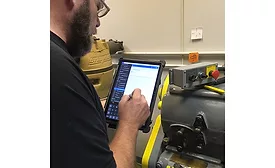
When it comes to accidents, manufacturing ranks second highest of all industries. That comes despite OSHA regulations and American National Standards Institute (ANSI) standards. A key culprit is unguarded hazardous machinery.
This is a voluntary consensus standard. It uses recognized management system principles in order to be compatible with quality and environmental management system standards such as ISO 9001, ISO 14001 and ISO 45001.
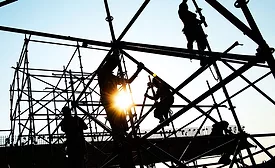
ANSI/ISEA 121-2018 is a standard that consists of design, testing, performance and labeling requirements for tool tethering systems and containers used to transport and secure tools and equipment at heights.
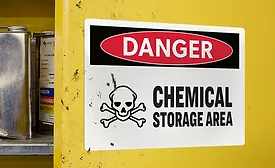
Workplace safety signs are regulated by OSH) under standard 1910.145 (Specifications for accident prevention signs and tags). The safety sign elements outlined in standard 1910.145 are determined and legally enforced by OSHA, meaning failure to include any one of them in your safety signage could land you a citation come inspection day.
How do the standards helping to regulate North America’s PPE industry support health and safety managers tasked with keeping their teams free from harm?
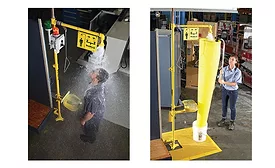
Imagine a work setting with all the latest and greatest eye washes and safety showers installed in every area that poses an exposure risk with easy and unobstructed access.
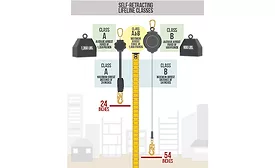
Nearly eight years ago, in its Z359.14 Safety Requirements for Self-Retracting Devices standard, ANSI divided self-retracting lifelines (SRLs) into two classes, Class A and Class B. Although it’s been close to a decade, there is still some misunderstanding as to what these classes mean.
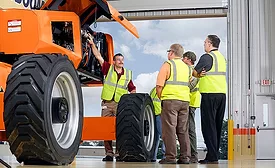
Mobile elevated work platforms are powerful, durable, and useful machines that help workers perform a wide range of tasks at height. Training operators and other workers on the safe use of these machines is crucial to decrease the risk of injuries, property damage and liability.
The International Safety Equipment Association (ISEA) produces the American National Standard for Emergency Eyewash and Shower Equipment, ANSI Z358.1, to establish uniform minimum performance and use requirements.
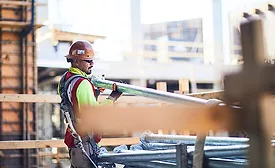
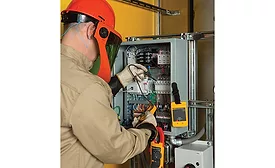
Prevention is a key factor for any organization seeking continual improvement in its occupational health and safety performance. In the hierarchy of controls, elimination of the hazard comes first, and the last line of defence is proper use of personal protective equipment (PPE).