More than a quarter of private dental practices do not have plans in place to control bloodborne pathogen exposure, according to a new survey conducted by the National Institute for Occupational Safety and Health (NIOSH) and the Organization for Safety, Asepsis and Prevention (OSAP). Survey results are published in the June issue of the Compendium of Continuing Education in Dentistry and is available online.
Zachary Henzerling, a 20 year old ” big kid at heart,” was on his third week at work for Environmental Enterprises Inc., a hazardous waste management facility in Spring Valley, Ohio, when he was killed 2012 in a flash fire and explosion on Dec. 28, 2012.
Daniel Chute, CIH, CSP, Atrium Environmental. Health and Safety Services, gave an interesting presentation Monday afternoon about rebuilding homes after disaster strikes. He has been working with the U.S. Department of Housing and Urban Development (HUD) to implement safe practices in post-disaster restoration.
Carbon monoxide is a colorless, odorless, tasteless poisonous gas which is often associated with domestic boilers. It’s important to note that carbon monoxide poisoning is a risk anywhere where a fuel-burning appliance is used, especially when they are situated in confined spaces with little ventilation and air flow.
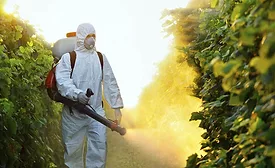
Every day handlers and applicators transfer potentially hazardous chemicals and concentrates such as pesticides, herbicides, insecticides, fungicides and liquid fertilizers from large drums into smaller containers or mixing tanks.
A new report shows that workers at the GE plant in Peterborough, Ontario were exposed to more than 3,000 toxic chemicals, including at least 40 known or suspected human carcinogens.
A commercial grower in Hawaii misused pesticides in a way that endangered both its workers and its basic crop, according to the EPA, which has just announced a settlement with the company.
3D printing – in which computer control is used to create a three-dimensional object -- has captured the public’s imagination and been hailed as the beginning of a third industrial revolution. With its cost decreasing and interest in it increasing as an ever-expanding range of applications is explored, it is likely that more and more workers will be involved with it.
With more plastic-based products on the market than ever before, concern about the work-related risks of the chemicals used to make them is increasing. One of these chemicals is styrene, a compound used extensively in plastic and rubber for cars, food packaging, boats, and many other products.
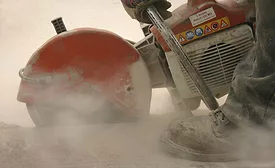
Representatives of the construction industry, as well as general industry have petitioned Labor Secretary Alex Acosta to reopen the silica standard, workplace safeguards that would save over 600 lives and prevent more than 900 new cases of silicosis each year.