Environmental cold can affect any worker exposed to cold air temperatures and puts workers at risk of cold stress. As wind speed increases, it causes the cold air temperature to feel even colder, increasing the risk of cold stress to exposed workers, especially those working outdoors, such as recreational workers, snow cleanup crews, construction workers, police officers and firefighters.
Fatal work injuries rose by two percent in 2018, to a total of 5,250, according to data released today by the U.S. Bureau of Labor Statistics (BLS). It is the fourth time in the past five years that fatal occupational injuries increased.
The BLS fatality data comes on the heels of the department’s annual injuries and illnesses report that showed a stagnation of nonfatal workplace injuries and illnesses in 2018.
Workplace accidents are, unfortunately, a frequent occurrence. An employee is hurt on the job every seven seconds, according to one study, around 4.6 million people each year.
Some common injuries include soreness, sprains and lacerations, mainly due to overexertion, slips, falls and trips. Nevertheless, reducing injuries and fatalities is a priority for many industries.
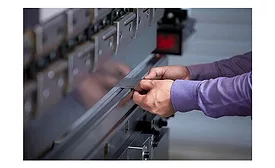
Recent media reports have put a spotlight on machine shop injuries. A newly released study completed by the Bureau of Labor Statistics (BLS) regarding injuries in the workplace found over 34,000 people sustain a lost-time injury in the workplace annually due to machine accidents.
Inadequate planning and communication were what led to the 2016 gas pipeline explosion and fire in Alabama that killed two workers and injured four others, according to an investigation by the National Transportation Safety Board (NTSB).
The October 31 blast near Helena occurred when a contractor who was excavating damaged the Colonial Pipeline Company’s (Colonial) 36-inch diameter refined liquid petroleum transmission pipeline
Amazon operates on-site emergency clinics, named AmCare, for workers. The idea is that employees can go to those facilities, which have on-staff, licensed emergency medical technicians and injury prevention specialists, and get treated faster without needing to travel off-site.
As convenient as this may sound, however, reports suggest there are some issues with that approach. Here are some of them.
After two separate inspections, OSHA has cited ArcelorMittal Cleveland LLC for exposing employees to falls. The agency has proposed $222,579 in penalties.
OSHA inspected the steel plant after an employee suffered multiple fractures and a partial amputation of his right leg from a fall in June 2019.
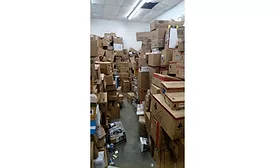
There are so many boxes at Dollar Tree stores that workers are always running out of room. The boxes form unstable piles that block aisles, reach precarious heights and, most seriously, block emergency exits. At one store, inspectors found that an employee was injured and needed help when boxes fell on them. Another time, an OSHA inspector was videotaping conditions in a store when a tower of boxes tumbled and nearly hit another worker.
An arc flash at Xcel Energy's Cabin Creek Hydroelectric Generating Station in Colorado left five employees with non-life-threatening injuries, according to a report from the Clear Creek Courant, Idaho Springs, Colo.
At 8:10 a.m. authorities responded to an emergency at the plant, which is above Georgetown along Guanella Pass Road.
According to OSHA, arc flash burns are one of the top three most common hazards when working with energized electrical equipment.
Every day in the U.S. there are up to 10 arc flash incidents, totaling more than 3,600 disabling electrical contact injuries each year. The violent nature of arc flash exposure, which can result in a fatality, even if a worker is 10 feet from the blast site.