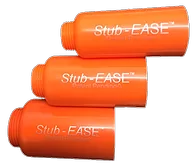
Effective immediately, Emergent Safety Supply is the exclusive distributor for Stub-EASE, a groundbreaking new product responsible for reducing injuries such as tripping, slipping and falling on conduit stub-ups, by safely removing stub-ups from a raceway, without any damage.
It might be mandatory. OSHA might require that your workplace require its employees to wear steel-toed boots or safety shoes. To be compliant under OSHA standards, some manual labor industries require them to prevent or help injury while on the job.
The Bureau of Labor Statistics reports at least 60,000 foot injuries are responsible for keeping people from work every year. The average cost of one of those lost workdays is $9,600, and 80 percent of foot injuries are caused by objects that weigh 30 pounds or less.
OSHA has cited a Sioux Falls, South Dakota excavating contractor for five serious safety violations after the agency's investigators found a 40-year-old equipment operator suffered severe injuries while working in a 16-foot-deep trench on Oct. 28, 2016.
In 2008, while renovating his house, Duane sustained life-altering injuries to his right hand.
In a free webinar on January 19th at 2pm EST, Duane will describe how that injury gave him a new perspective on safety. His storytelling:
United Airlines baggage handlers will get some protection from ergonomic hazards in the workplace, under what the U.S. Department is calling “a precedent-setting agreement” with the airline. The agreement settles a lawsuit filed by the department on behalf of OSHA to eliminate several hazardous conditions its inspectors identified in United's baggage-handling operation at Newark Liberty International Airport, where United baggage handlers reported at least 622 musculoskeletal injuries from 2011 to January 2015.
When a co-worker severed part of his thumb in July 2014, a food processor at a beef jerky manufacturing plant acted quickly, helping him apply pressure to the wound and using her cellphone to call 911. Before responders could answer, the company's owner ordered her to hang up. Two days later, she was terminated.
For the third time since the summer of 2015, a worker with a metal container manufacturer has suffered an amputation injury. In each incident, federal safety investigators found that, if the employer had complied with workplace safety standards, the injuries were preventable.
An investigation by OSHA found a Dudley, Massachusetts contract packager failed to inform the agency as required that a temporary worker needed hospitalization after he sustained a serious injury on May 26, 2016. Even worse, the employer failed to contact emergency medical services immediately when the injury occurred.
For the second time in less than two months, federal safety and health inspectors found a worker at a commercial laundry equipment manufacturer had suffered an amputation because a machine lacked adequate safety guarding.