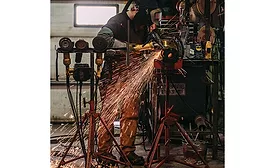
Falling objects are a common risk for injuries, even when dropped from only a few feet. Safety boots are important in many work environments, and depending upon the severity of the risk of foot injury, work boots with a metguard component should be part of an employee’s PPE.
In a hearing before the Senate Appropriations Committee today, Secretary of Labor Alex Acosta today refused to commit not to rescind OSHA’s electronic recordkeeping rule. The rule, issued in 2016, requires employers to send injury and illness information into OSHA and prohibits employers from retaliating against workers for reporting injuries.
The Trump administration’s refusal to fulfill a provision of OSHA’s injury and illness tracking rule has resulted in a lawsuit by Public Citizen. The advocacy group filed the suit Friday in federal court against OSHA and the U.S. Department of Labor, claiming that an exemption the agency cited in its denial of a Freedom of Information Act (FOIA) request does not apply.
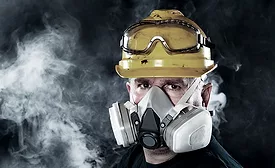
Certain respirators, known as tight-fitting respirators, must form a tight seal with your face or neck to work properly, according to OSHA. If your respirator doesn't fit your face properly, contaminated air can leak into your respirator facepiece, and you could breathe in hazardous substances.
OSHA has announced that it will continue accepting 2016 OSHA Form 300A data through the Injury Tracking Application (ITA) until midnight on December 31, 2017.
The agency says it will not take enforcement action against those employers who submit their reports after the December 15, 2017, deadline but before December 31, 2017, final entry date.
OK, now that the dust has settled, what do we think about the performance of OSHA Assistant Secretary nominee Scott Mugno after listening to his testimony at his confirmation hearing on Tuesday (and Tweeting it)? Two days after the hearing, there hasn’t been much press coverage.
Business Insurance headlined its article “OSHA director nominee faces tough questions at confirmation hearing,” noting Ranking Member Patty Murray’s concern that “Your record that stands against everything OSHA should stand for.”
OSHA) last week issued a final rule setting November 10, 2018, as the date for employers in the construction industries to comply with a requirement for crane operator certification. The final rule becomes effective November 9, 2017.
OSHA’s regs and enforcement have framed health and safety work for decades. If OSHA reduces its regulatory activity (delaying or reversing current regulations) and moves toward technical assistance, what might the impact be?
OSHA has announced that Aug. 1, 2017, will be the start date for employers to electronically submit required injury and illness data from their completed 2016 OSHA Form 300A. They’ll do so through the Injury Tracking Application (ITA), a web-based form that will be accessible from the ITA webpage.
OSHA has announced a new enforcement policy that excludes monorail hoists from the requirements of Subpart CC – Cranes and Derricks in Construction, as long as employers meet other OSHA requirements.