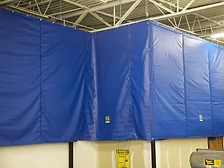
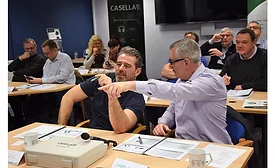
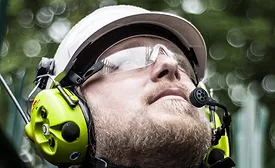
Loud noises from machinery, tools and assembly processes are an inherent part of many industrial workplaces. However, neither the short- nor long-term consequences of prolonged noise exposure are something employees should accept.
As employees begin returning to work, maintaining a safe and socially distanced workplace is at the forefront of everyone’s mind. US Government and CDC guidelines advise employers to ensure workers maintain a 6-foot social distance at all times, and encourage changing workflows and shift patterns to ensure employees are able to remain as socially distanced as possible
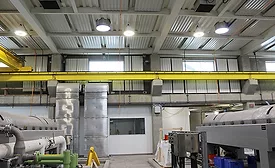
The Orange County Sanitation District in Huntington Beach, California provides wastewater collection, treatment, and disposal services for approximately 2.6 million people. They had a combination of loud industrial equipment, cavernous space, and highly reflective surfaces creating an acoustic nightmare.
With the focus for many businesses dealing with the ongoing Covid-19 global health crisis beginning to shift to "the new normal" and returning to the workplace, questions are being asked by employees and employers alike around how workplaces will be made, and kept, safe.
An estimated twenty-two million workers are exposed to potentially damaging noise at work each year. For employers, worker exposure to damaging noise could result in catastrophic penalties and compensation for hearing loss disability.
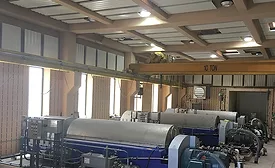
The Albuquerque Bernalillo County Water Utility Authority in Albuquerque, New Mexico operates a 76-million gallons per day (rated capacity) wastewater treatment plant that treats a daily average of five million gallons of sewage from New Mexico’s largest city and its surroundings.
In most countries, hearing protectors are required by law to be tested and labeled in a specific way. The idea is that by using a standardized measurement method and a straightforward, one-number rating, it should help users decide which hearing protector to choose. However, it turns that one number often doesn’t tell the whole story.
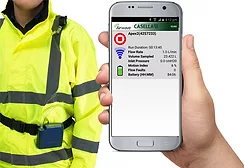
Building a culture of occupational health and safety is vital for all businesses and is key to ensuring not just workplace compliance, but sustainable competitive advantage. To manage risks and to meet today’s standards in occupational health, the first place to start is to make sure you assess and measure risks accurately, and the best way to begin is by gaining a thorough understanding of the solutions and equipment available for monitoring these risks.
Millions of workers are exposed to hearing hazards every year, and even though OSHA regulations and NIOSH recommendations in the U.S. specify hearing protection, occupational hearing loss is still the number one reported worker illness in manufacturing*.