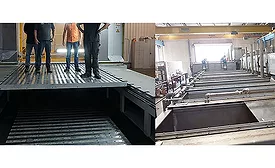
According to the Centers for Disease Control (CDC), some 22 million U.S. workers are currently exposed to hazardous noise conditions. Excessive workplace noise is linked not only to hearing loss, but also to a host of other medical conditions, including cardiovascular diseases such as hypertension, arteriosclerosis, and coronary heart disease (CHD).
Hearing loss isn’t the first injury that comes to mind when an arc fault occurs. The light and heat emitted by the massive electrical explosion – the arc flash – can cause life-threatening and life-altering burns to the skin, compression injuries and loss of limbs if workers are left unprotected.
If you hear someone say “noise monitoring,” what do you picture? If you are like most people, your mind probably goes first to settings with heavy equipment in use versus a more recreational environment, given the historical regulations necessitating hearing protection in those settings.
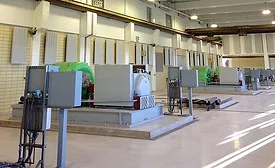
Industrial plants are known for being loud, acoustically-harsh environments. The combination of high ceilings, reflective surfaces and heavy machinery din creates an environment for reverberation and noise. Such conditions can decrease productivity and increase health and safety hazards.
Loud noises such as a backing semi-trailer or a fire alarm alert workers of impending danger. However, loud noises themselves can be dangerous, causing a host of immediate and long-term problems for employees and operations.
The study, by Clear Seas Research, was conducted to understand the PPE hearing market by identifying brand usage, exploring important attributes of brand selection for PPE and identifying purchase process trends.
Most employers are aware that occupational noise has the potential to cause permanent hearing loss in exposed workers. Less well known, and less studied, is the link between occupational noise exposure and tinnitus.
It is estimated that over 22 million workers are exposed to hazardous noise on the job and an additional nine million are at risk for hearing loss from other agents such as solvents and metals.
Currently the U.S. does not have a national surveillance or injury reporting system for hearing loss. The Bureau of Labor Statistics annually reports recorded hearing loss on OSHA Form 300. However, BLS data are not representative of the true magnitude of occupational hearing loss due to several barriers to the reporting system.
Preventive safety evaluations help protect personnel and equipment, cut costly downtime and losses, and minimize liability exposure. This article highlights common areas of hazards in a manufacturing facility, and some potential solutions to explore.
Bring ear plugs, noise canceling headphones with you
May 30, 2018
Love to go to sporting events and cheer on your favorite teams? While you’re sitting in the bleachers or stands, in a stadium or arena watching that football/hockey/baseball/soccer team win or lose, the CDC wants you to use ear protection – and avoid air horns.