Unwanted and potentially unhealthy noise permeates everything we do -- our homes, offices, leisure time, even our sleep, says the National Academy of Engineering.
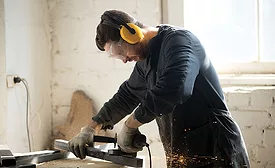
The worst noisemakers are machines -- all forms of transportation, including planes, trains, cars and trucks; lawnmowers, snow blowers, leaf blowers and other loud household products; and manufacturing machines.
While most industrial facilities offer hearing protection to their employees, there are some very basic, yet overlooked, questions you can ask of your hearing conservation program (HCP) to determine if you are maximizing its effectiveness.
A variety of NIOSH blogs spread the word about hearing loss prevention
October 30, 2017
When it comes to health, a large gap often exists between what we know (for example, we know that eating too much sugar is bad for our health) and what we still do. Hearing loss prevention is no exception. We have been aware of the harmful effects of overexposure to noise for over a century.
More than 36 million adults in the U.S. have some degree of hearing loss, according to the American Academy of Audiology. What may be surprising to people who think that hearing loss is a problem that comes with old age: more than 18 million are younger than age 65.
In this article, we’ll examine hearing loss and leading causes, an overview of the history of hearing protection, and seven elements that workplaces should consider when implementing a Hearing Conservation Program (HCP) or Hearing Loss Prevention Program (HLP).
New resource expands online personal protective equipment support for occupational health and safety managers
July 17, 2017
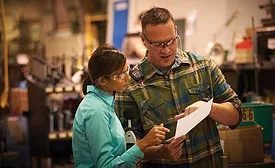
Operating a successful workplace hearing conservation program is just one of many challenging tasks health and safety managers face. Each day, they must enforce all applicable rules and regulations while providing the right equipment, training and support for their noise-exposed workforce.
(Posted by NIOSH on March 3) Today on World Hearing Day we would like to highlight the pioneering efforts of Florida’s Alachua County Deputy Sheriff, Ryan Lee Scott, who is the winner of the 2017 Safe-in-Sound Excellence in Hearing Loss Prevention Award™ .
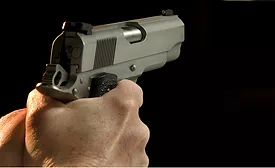
A Deputy Sheriff in Florida who developed a program to help law enforcement officers protect their hearing during firearms training won the this year’s Safe-in-Sound Excellence in Hearing Loss Prevention Award™.
It is often said that the U.S. and the U.K. are two nations divided by a common language. For example, Americans name the people who investigate occupational exposure and control methods industrial hygienists, whereas we Brits use occupational hygienists. But where noise is concerned, we definitely have agreement on the causal relationship between exposure and hearing loss, which has been observed anecdotally for centuries.
Unless your hearing is tested, it’s really hard to know if it’s damaged. That’s the message of a recent Centers for Disease Control and Prevention (CDC) survey that found about one in four U.S. adults who say their hearing is good or excellent actually have hearing damage. Now the latest CDC Vital Signs report shows that much of this damage is from loud sounds encountered during everyday activities at home and in the community.