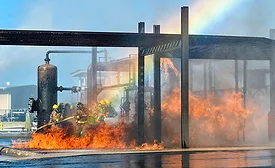
As defined by OSHA, combustible dust is “a solid material composed of distinct particles or pieces, regardless of size, shape or chemical composition, which can present a fire or deflagration hazard when suspended in air or some other oxidizing medium over a range of concentrations.”
The importance of safety can’t be underestimated. Providing personal protective equipment (PPE) is essential in industries that require employees to work in harsh and hazardous conditions, from manufacturing to transportation, construction and more.
The 2018 print edition of NFPA 70E Standard for Electrical Safety in the Workplace® is 104 pages. Updated every three years by the 70E technical committee, this comprehensive standard covers the latest information about the effects of shock, arc flash, arc blast, dc hazards, and developments in electrical design, PPE.
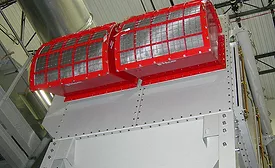
Operations that produce dust as a byproduct of their processes rely on an industrial dust collection system to provide clean air to the workplace. However, the dust collection system itself could be a source of danger if it isn’t properly equipped and maintained.
Today more than ever, companies need to reduce employee injuries and incident rates and avoid the costs of downtime due to electrical equipment failures. Implementing comprehensive electrical safety programs that result in changing and improving a company’s safety culture can help make these goals a reality.
NFPA 2113: Standard on Flame-Resistant Garments for Protection of Industrial Personnel Against Flash Fire (latest edition 2015, next revision 2020) guides you to avoid risks associated with incorrect selection, use, and maintenance, as well as contamination and damage of flame-resistant (FR) garments.
NFPA-70E®-2018 Standard for Electrical Safety for Employee Workplaces®
January 3, 2019
NFPA 70E® Standard for Electrical Safety in the Workplace® provides requirements for establishing a workplace that is safe from unacceptable risks associated with using electricity while working. Safety processes, policies, procedures and program controls reduce the risks associated with using electricity to an acceptable level.
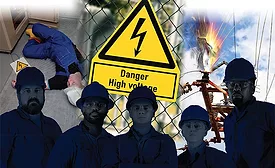
Working on electrical equipment exposes a worker to electric shock and arc flash hazards. Unlike many safety concerns, these hazards simply can’t be eliminated or avoided as working on or around energized equipment is often required for some tasks, such as using a meter to test for voltage or rack a breaker.
The standard provides requirements for managing combustible dust fire and explosion hazards. It directs the users to appropriate NFPA industry or commodity-specific standards by establishing a relationship and hierarchy between them.
A market study report entitled “Global Arc Flash Protection System Market 2018 Industry Research Report” was recently published on QY Market Research. The base year of Arc Flash Protection System market study report is 2017, which gives statistical research data status (2013-2017) and forecast (2018-2025) and also categorizes the Arc Flash Protection System market into the key region, manufacturers, type (Arc Flash Detection & Control System, Personal Protective Equipment, Arc Flash Protection System), and application (Utilities, Manufacturing & Processing Industries, Oil & Gas, Transportation & Infrastructure).