Creating a safe work environment is the sum total of many different parts. Elements such as personal protective equipment (PPE) and safety procedures must be viewed through the lens of environmental considerations to ensure workers are safe on a jobsite.
Although emerging occupational safety and health products can help make your job easier and keep your workers safer, keeping up with new developments in the field can be challenging. ISHN helps you save time by gathering all of the OSH product information and presenting it in a quick, easy format.
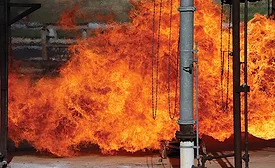
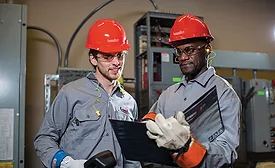
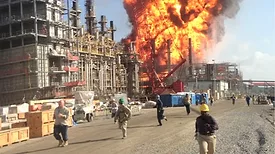
Petroleum refineries are laden with various thermal and chemical hazards. Adequate personal protective equipment (PPE) is instrumental in providing a safe work environment for employees to complete the task at hand.
By its directive, the electrical safety standard, NFPA 70E®, calls upon employers, contractors and employees to work together and, through an expanded risk assessment, clearly define a means by which compliance can be achieved for the protection of all involved.
The total cost of safety cannot be underestimated. A life is priceless. Direct costs such as worker’s compensation, medical and legal expenses, and indirect safety costs such as training, accident investigation, implementation of corrective measures, lost productivity, equipment and property repairs add up quickly.
The 2018 edition of NFPA 70E®, Standard for Electrical Safety in the Workplace®, addresses issues that should be put into practice at any workplace. New voluntary requirements and guidance cover risk assessment, the hierarchy of controls, human error, job safety planning, management systems, work performance and workplace culture.
Here's a quick look inside:
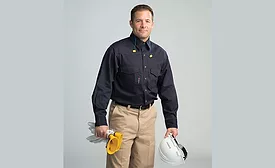
The two types of AR clothing programs Task Based and Daily Wear defined
How recent changes to NFPA 70E make Daily Wear a compelling means to achieve maximum compliance
It seems the same questions are asked every time a new addition of the National Fire Protection Association’s 70E Standard for Electrical Safety in the Workplace (NFPA 70E) comes out.
Many manufacturers use one of two options to clear the air of welding fumes – filter the dirty air and recirculate clean air inside the facility, or exhaust the dirty air outside and provide clean replacement air from outside.
Changes in the NFPA 70E 2018 edition include new guidelines for selecting personal protective equipment (PPE) and an emphasis on the hierarchy of controls for risk assessment. Here are the key NFPA 70E changes that EHS leaders need to know.