In 1970, the Occupational Safety Health Act created a government body tasked with nothing more or less than helping ensure safe workplace conditions for all.
The most recent report from OSHA shows that the organization is struggling in that mission. There are several reasons for the downturn in workplace safety OSHA describes in its most recent report on inspections and fatalities in U.S. workplaces. But first, we need the details:
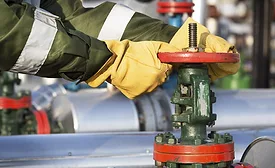
If you’re seeing the hashtag #SafeHands a lot these days, it’s because the International Safety Equipment Association (ISEA) has launched an awareness and education campaign to help workers and employers focus specifically on the safety of hands, the second mostly commonly injured body part in the workplace.
This week, Aug. 12 – 18, is Safe + Sound Week, an annual, nationwide event that recognizes the successes of workplace safety and health programs and offers information and ideas on how to keep America's workers safe.
According to OSHA, last year more than 2,700 businesses participated in the program, which is aimed at helping employers get their programs started, energize an existing one, or recognizing their safety successes.
The Malta Dynamics product line has expanded with the addition of a new line of rescue and retrieval safety harnesses.
Featuring a comfortable, lightweight design with breathable padding, the Razorback Elite and Elite MAXX Rescue Harnesses get the job done even when working in confined spaces.
Safe + Sound Week (Aug 12-18, 2019) is a nationwide event held each August that recognizes the successes of workplace health and safety programs and offers information and ideas on how to keep America's workers safe. With OSHA, VPPPA and the National Safety Council all as major sponsors, the message that safe workplaces are sound businesses should resonate with everyone. Why is having a health and safety program important?
The International Safety Equipment Association (ISEA) is seeking public comments on its proposed reaffirmation of ANSI/ISEA 101-2014, American National Standard for Limited-Use and Disposable Coveralls – Size and Labeling Requirements.
The document provides requirements for finished dimensions, labeling and packaging for limited-use and disposable coveralls. It also provides guidance on selecting the appropriate garment size for the wearer.
Office workers are at high risk of experiencing musculoskeletal, or soft-tissue, disorders from repeated motion and awkward positions, such as sitting for long hours in front of a computer. Previous research has shown that safe and efficient, or ergonomic, office equipment can help reduce the risk, but obtaining the right equipment sometimes can be challenging.
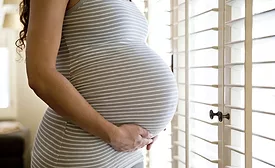
Workers often tend to be healthier and live longer than their unemployed peers, who may be unable to work due to illness or other issues. A recent study by NIOSH and a university partner aimed to understand how to account for these “healthy worker effects” in studies among pregnant workers.
After being trapped for approximately three hours, a construction worker was extricated yesterday from the sand and debris in which his foot had been caught at a downtown Minneapolis construction site.
In a statement, project manager Kraus-Anderson said the worker’s “foot was caught between the retaining wall board and the building’s footings, with sand up to his knees” while he was removing the retaining wall boards.
Men and women come in all different shapes and sizes. So does personal protective equipment (PPE), yet too often, workers find themselves wearing ill-fitting protective gear that may be, at best, uncomfortable and at worst, dangerous.
The International Safety Equipment Association (ISEA) is reminding employers that properly fitting PPE is vital to workplace safety. Why do so many workers end up in protective garments that don’t fit them?