Confined space safety, hazards in the oil and gas industry and how workers compensation exposure data can be useful to the safety profession were among the top industrial hygiene stories of 2018.
Sexual harassment, employee engagement and the evolution of discipline were all explored in 2018 articles focusing on how to improve your company’s safety culture written by the top thought leaders in the occupational safety and health profession.
Stories related to construction industry safety ranged this year from hazard-specific (spray foam insulation, concrete drilling) to regulations (silica, crane operator certification) to developments that affect construction safety in a more general way, like the workforce shortage or the legalization of marijuana in many states. Here’s a look back at 2018 articles:
A staffing company fraudulently sells OSHA training certificates, how to use training to get your workers in “The Zone” and how virtual reality is being used to train first responders were among the top safety training stories of 2018.
Now is the time for occupational safety professionals to check that the safety and hygiene practices in place at their workplaces are compliant with regulatory bodies — like OSHA — and will safeguard workers' wellbeing.
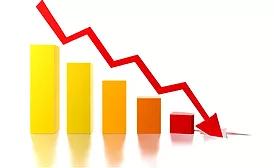
Data collected by the U.S. Bureau of Labor Statistics (BLS) indicates that workplace accidents show a prolonged downward trend, but that's no reason to get complacent.
A new warning about the skyrocketing rates of e-cigarette use among young people, a film crew member killed in New York City and 2017 work-related fatality statistics from the BLS were among the week’s top occupational safety and health stories featured on ISHN.com.
The Bureau of Labor Statistics (BLS) data released this week show that the incidence rate for non-fatal occupational injuries and illnesses in the meat and poultry packing and processing industry reached an all-time industry low.
According to the Michigan Occupational Safety and Health Administration (MIOSHA), an important step toward keeping Michigan workers safe from lead exposure in the workplace was realized last week with the filing of updated administrative rules that lower acceptable blood lead levels, replacing decades-old standards. The new rules became effective December 11, 2018.
With a growing number of states legalizing marijuana, causing a rapid increase in the cannabis industry workforce, increasing attention is being given to the health and safety of those involved in the cultivation and distribution of the substance in its various forms. One potentially serious health risk is from occupational exposure to mold.
OSHA cited wholesale auto and truck parts distributor Parts Authority Georgia, LLC, for exposing workers to smoke and fire hazards. Inspectors determined that the company allowed obstructed exits; exposed workers to struck-by hazards from damaged storage rack supports and shelves; and failed to provide training on recognizing chemical hazards.