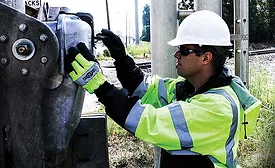
Whether you’re de-icing a plane in Chicago, or you’re a snow blower in upstate New York, or a commercial fisherman in Alaska or Canada, all outdoor workers must be aware of the risks and dangers associated with cold weather.
As we reach the cold depths of winter, it’s important to consider workplace hazards and FR protection. Consider a winter PPE plan for workers in cold-weather areas who may be exposed to arc flash and other conditions that require FR protective clothing.
With winter officially upon us, freezing temperatures can be expected across many parts of the country. In some areas, exceptionally cold weather will linger indefinitely, while other regions will experience freeze-thaw cycles.
Electrical hazards are one of the many hazards that can occur in a flooding incident involving potential exposures to harmful substances, or contact with energized surfaces or energized water itself.
The Occupational Safety and Health Administration (OSHA) and the American Red Cross have renewed their alliance to continue efforts to reduce workplace incidents and protect workers from hazardous exposures.
Motion Industries, a leading distributor of industrial maintenance, repair, and operation (MRO) replacement parts, announced in June one of several new knowledge websites
The U.S. Department of Labor’s Mine Safety and Health Administration (MSHA) has announced the availability of $1 million for training or training materials to support mine rescue or mine emergency preparedness in underground mines.
Safety headlines grab attention with catastrophe, accidents, fines, and pointing fingers. April 15th marks the 103rd year anniversary of one of the most talked about safety tragedies of 20th century.
Where do muster points fit into an emergency plan? Although each facility has its own emergency plan, one considering the layout, contents, grounds outside, all potential hazards, and safety standards, plans involving evacuation must integrate a muster point.