Do your safety and health efforts have a sufficient number of realists – or potential pessimists – who know the truth on the ground, and will call it as they see it to more distant and pre-occupied higher-ups?
When designing and laying out the piping loop for a recirculating tepid water system for a series of emergency showers, there are a number of important items to consider to maximize the performance and minimize the cost of the required tepid water delivery system.
There’s an increasing rate of change in the weather right now. From hurricanes to earthquakes to tropical storms, they are all a force of direct urgency with consequences on both commercial and social aspects.
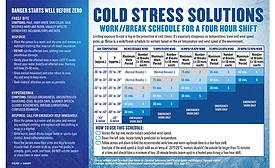
Heat may get the headlines, but a study from the London School of Hygiene & Tropical Medicine found that cold weather is 20 times as deadly as hot weather. That study corroborates a U.S. study that found cold kills more than double the number of Americans as heat does.
As the safety coordinator of Uline’s Chicago-based distribution warehouse, Scott Barthuly takes employee emergency training very seriously. Every other year, all first responders on staff in the large shipping and industrial supplies distributor for the Midwest receive training in First Aid, CPR and AED use.
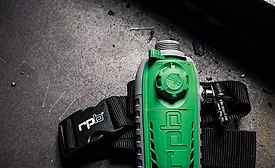
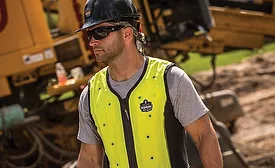
NIOSH's "Prevent Heat-Related Illness" poster states "Wearing PPE increases your risk for heat-related illnesses". Incorporating climate control into your employees' PPE could be the best way of preventing heat-related illness.
Athletics scholars have studied heat-related illnesses (HRIs) and their impact on athletes of all ages at all levels. Their discoveries can help safety professionals prevent HRIs in the workplace.
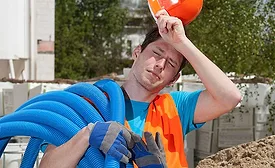
According to the Southeast Regional Climate Center, last summer we saw sweltering weather conditions, with record-breaking heat in more than 40 U.S. cities. New workers, temporary workers or those returning from time off are especially susceptible to heat-induced illnesses.