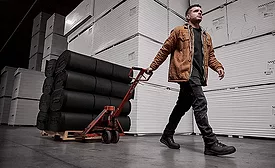
Indoor manufacturing, warehousing and distribution environments tend to be fast-paced, with often long hours of standing and movement. Flat, hard surfaces may lead to foot fatigue, as well as knee and back pain.
NIOSH, the Occupational Safety and Health Administration, and the Center for Construction Research and Training are promoting a national campaign to prevent workplace falls. March 2021 marks the Fifth Annual National Ladder Safety Month.
Survey conducted in partnership with Safe Site Check In: Impact of pandemic on construction job sites finds fear of contracting COVID-19 is low yet health screenings and digital check in likely to become part of ongoing protocols
The Occupational Safety and Health Administration (OSHA) has announced its preliminary Top 10 most frequently cited workplace safety standards for fiscal year 2020.
OSHA encourages construction employers and other stakeholders to join the event to promote awareness and training to address one of the industry’s most serious dangers.
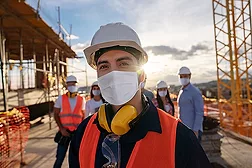
On dangerous or risky job sites, and within certain environments, personal protective equipment (PPE) must be worn at all times. It makes perfect sense, because the gear is designed specifically to mitigate severe or fatal accidents. Helmets, for example, protect the head from falling objects, overhead fixtures, and much more.
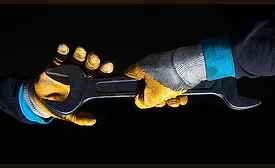
Companies tend to lose more time and money on hand-related injuries than any other type of work hazard. Regardless of the job, professionals and managers need to protect their hands by choosing the right safety gloves.
How well an organization plans for emergencies that may occur at remote locations can be the dividing line between tragedy and success story, whether an employee’s life is saved or lost, or if an operation and capital infrastructure is lost due to an incident.
 RSS
RSS