Adverse health conditions tied to psychosocial risk hazards may contribute globally to more than 840,000 worker deaths annually, according to the International Labor Organization (ILO).
On-the-job psychosocial risk factors may contribute to more than 800,000 worker deaths globally each year due to cardiovascular disease and mental health disorders, according to recent research.
According to a Bureau of Labor Statistics study, white-collar jobs are associated with a considerably higher level of psychological stress. Among those white-collar jobs is daily EHS work.
According to a newly released Quarter 1 2025 Civility Index from SHRM, a human resources organization, instances of incivility at work in the U.S. have risen more than 20 percent.
How people react to risk can be imprinted in their DNA, and many of the qualities which help leaders reach their senior position, can also prove to be a weakness when it comes to health and safety.
Those working in industrial jobs face unique physical and mental health challenges that employers should be aware of. Most companies care about the well-being of their workers.
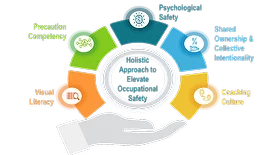
Do your employees truly know what to look for and can they recognize the hazards and risks associated with their tasks? Is it psychologically safe to openly recognize hazards and risks and choose safe actions within the culture?
 RSS
RSS