ISHN logo
search
cart
facebook twitter linkedin youtube
  • Sign In
  • Create Account
  • Sign Out
  • My Account
ISHN logo
  • NEWS
    • Today's News
    • Global Safety News
    • Government Regulations
  • PRODUCTS
    • Product Innovations
    • Featured Products
  • TOPICS
    • Environmental Health and Safety
    • Facility Safety
    • Workplace Health
    • Occupational Safety
    • PPE
    • More Topics
  • CONSTRUCTION
  • TECHNOLOGY
  • COLUMNS
    • Best Practices
    • Dave Johnson: What’s going on
    • Editorial Comments
    • Leading Safety
  • MULTIMEDIA
    • ISHN Podcast
    • Videos
    • Cold Stress Education Quiz
    • Webinars
    • White Papers
  • MORE
    • Buyer's Guide
    • Newsletters
    • Convention Companion
    • Polls
    • Events
    • ISHN Store
    • Sponsor Insights
  • EMAGAZINE
    • eMagazine
    • Archived Issues
    • Contact
    • Advertise
  • JOIN TODAY!
Environmental Health and SafetyWorkplace HealthWorkplace Training Strategies Psychology in the Workplace

What programs most help industrial worker physical and mental health?

By Jane Marsh
depression
AntonioGuillem / iStock / Getty Images Plus
February 22, 2024

Those working in industrial jobs face unique physical and mental health challenges that employers should be aware of. Most companies care about the well-being of their workers. The people who give their all can make or break your brand. It’s crucial to ensure they feel the best they can.

The American Psychological Association's 2023 Work in America Survey report found 92% of workers felt their psychological well-being was a priority. While the mental health state of those surveyed was mostly positive, 55% of workers stated their employers have a false sense of how healthy the workplace environment is. 

What are some ways companies can ensure their employees stay physically and mentally healthy?


Employee Assistance Programs (EAPs) 

EAPs help employees with issues they face related to their work environments. Problems can include health, coworker interactions and mental struggles. EAPs tend to have a trusted point of contact the worker can turn to for help.

EAP managers should be highly trained in spotting the signs of physical and emotional burnout and aware of programs that might help. Allowing workers to take a mental health leave for a few weeks might help get them on the right track, as well. Some companies have on-site mental health professionals to offer immediate counseling.

Counseling sessions can run between $65 an hour to over $250, putting the cost out of range for many laborers. Invest in better insurance or on-site counseling to reduce the stigma and give employees the help they need.


Ergonomic and monitoring improvements

Physical injuries vary by industry, but having an ergonomic engineer study jobs and make improvements can reduce issues. In construction work, for example, adding body monitors that alert the team leader to any changes in breathing patterns or movement can indicate an injury quickly and get the worker help.

If someone complains of back or neck pain, look at the repetitive motions they do in an average workday. Can the work be split up among several workers to ease the stress on one’s body? Perhaps new equipment would solve the problem. 


Flexible paid time off (PTO) 

When it comes to giving your body and mind a break, PTO is crucial and workers should utilize it. However, people sometimes run out of time off because they have a sick family member, have to take time off to care for their children or elderly parents or are ill themselves.

When a worker doesn’t have any PTO left and needs it, the situation can add to the stress. Find ways to offer flexible time off. Offering a few paid mental health days may result in higher productivity and better employee well-being.


Green spaces

Research shows people's mental and physical well-being relates to available green spaces in their living environment. A single tree filters 48 pounds of carbon dioxide each year. Spend time looking at the area surrounding your industrial building. Is it all concrete and no grass? 

Set aside an area to make a small nature reserve. Plant trees at the entrances to encourage happiness. Add a garden area to the roof or an outside break room. Look for ways to bring the outdoors in. People will feel more positive and thus be healthier. 


Remote work

For workers struggling with personal dynamics in the workplace, offering remote work options might be an alternative. In the industrial field, it’s tricky to do work from home. People may need to be on expensive equipment they don’t have away from the building. Some secrets may be trade sensitive and management doesn’t want manuals or parts to leave the building.

During the pandemic, companies such as General Electric allowed workers to take some parts home and assemble them to keep things running. Look for alternatives to doing things the way you’ve always done them and see if the option to work from home helps some of your staff feel more rested and less stressed. Approximately 20% of service work and 7% of manufacturing now occurs remotely.


Peer support 

Train all your employees to be aware of warning signs for suicide. Create a “tell someone” policy. If a co-worker threatens to harm themselves or others, a worker should notify management immediately to provide resources and protect other employees. 

It might feel like tattling on your friend at first, but when you consider the alternative of them hurting themselves or others, it is easier to try to find them the help they need.


Mental Health First Aid (MHFA) training 

The National Council for Mental Wellbeing offers a program for MHFA where management and workers can become certified to deliver mental first aid in a crisis. The training could save a life if someone is on the edge of harming themselves. The idea is to stop the event and then get the person more in-depth help. 

Even increasing awareness through such a program is beneficial and could reduce suicide rates. 


Wellness programs 

Companies should implement physical and mental health wellness programs. Ideas include weight loss programs, physical fitness and learning relaxation and coping techniques.

Offer a yoga class. Have a mental health professional come in and give a seminar on how to cope with anger, frustration or exhaustion. Go over company policies so workers know what’s covered and what they should do if they are struggling. 


Individualized features

An often overlooked segment is parents or adult children of people needing ongoing care. These employees may struggle to find adequate care for their kids or relatives while at work. Consider adding a few parenting programs, offering paid medical leave and maternity/paternity. 

Facilities can also pay attention to the appearance of the workspace. While construction is more difficult because the setting changes frequently and is a work in progress, you can still offer workers a nice break area where they can kick back and relax for lunch. Buildings should have common areas for socializing and aesthetically pleasing rooms. 


Improve your workers’ physical and mental health

Small changes go a long way to ensuring your staff prioritizes their physical and mental well-being. Give them incentives for doing well and offer the tools needed to overcome obstacles.

Create a company culture where everyone is accepting and open to trying different programs as they need them. With a little training and a lot of encouragement, you’ll wind up with a healthier workforce.

See more articles from our March 2024 issue!

KEYWORDS: ergonomics mental health wellbeing wellness

Share This Story

Looking for a reprint of this article?
From high-res PDFs to custom plaques, order your copy today!

Jane covers topics in green technology and manufacturing. She also works as the Editor-in-Chief of Environment.co.

Recommended Content

JOIN TODAY
to unlock your recommendations.

Already have an account? Sign In

  • forklift safety

    Exploring the latest technologies in forklift safety

    With more staff and more stock in warehousing now more...
    Facility Safety
    By: Josh Cramer
  • welding

    All about welder’s flash or arc eye

    A flash burn is a painful inflammation of the cornea,...
    Environmental Health and Safety
  • dangerous jobs

    The 10 most dangerous jobs in the U.S.

    On-the-job deaths have been rising — hitting the highest...
    Government Safety Regulations
    By: Benita Mehta
Manage My Account
  • eMagazine Subscriptions
  • ISHN Newsletter & Other Newsletter Alerts
  • Online Registration
  • Manage My Preferences
  • Subscription Customer Service

More Videos

Sponsored Content

Sponsored Content is a special paid section where industry companies provide high quality, objective, non-commercial content around topics of interest to the ISHN audience. All Sponsored Content is supplied by the advertising company and any opinions expressed in this article are those of the author and not necessarily reflect the views of ISHN or its parent company, BNP Media. Interested in participating in our Sponsored Content section? Contact your local rep!

close
  • man wearing the the Sundström SR200 Full Face Mask Respirator
    Sponsored byOHD

    5 Fit Testing Mistakes That Could Cost You

  • This image shows Magid AcuSpex polarized blue mirrored safety glasses.
    Sponsored byMagid Glove and Safety

    Construction PPE Guide: What Crews Need for Each Task

  • lone worker in confined space
    Sponsored byAlphasense Ltd.

    GET THE LEAD OUT of your Safety Oxygen Sensors!

Popular Stories

SpaceX 7 launch

OSHA Investigating Fatal Fall at SpaceX Starbase

Worker Impairment

How to Tell When a Co-Worker is Impaired? A Safety Pro’s Challenge

Automated loading dock equipment

After March 2026 Rivian Death, Safety Managers Reassess Loading Dock Systems Under OSHA's Warehouse Emphasis Program

top 10 most dangerous jobs

Poll

Seasonal Readiness

With the federal heat stress prevention rule on the horizon, which area of your safety program needs the most attention?
View Results Poll Archive

Products

Surviving an OSHA Audit A Management Guide, 2nd Edition

Surviving an OSHA Audit A Management Guide, 2nd Edition

See More Products

ISHN Podcasts

Related Articles

  • assessing employee well-being

    The most dangerous safety threat in industrial work might be mental health

    See More
  • Model workplace mental health programs

    Model workplace mental health programs

    See More
  • workplace wellness programs

    Top leaders are investing in physical & mental wellness

    See More

Related Products

See More Products
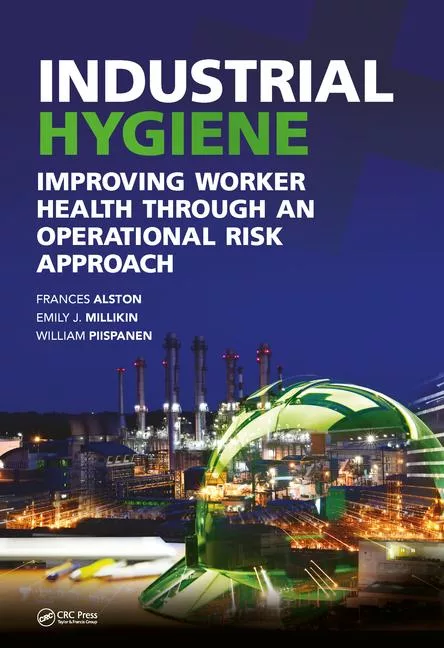
  • industrial hy.jpg

    Industrial Hygiene: Improving Worker Health through an Operational Risk Approach

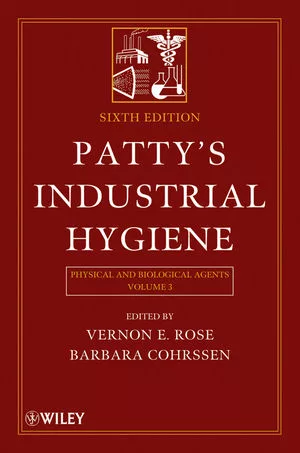
  • 0470074868vol3.jpg

    Patty's Industrial Hygiene, Volume 3, Physical and Biological Agents , 6th Edition

  • 0470387408.jpg

    Preparing for OSHA s Voluntary Protection Programs: A Guide to Success

See More Products

Events

View AllSubmit An Event
  • May 28, 2026

    The Mental Health Crisis in Construction

    ON DEMAND: Each year, about 1,000 construction workers die from on-the-job incidents – but more than 5,000 die from suicide and 11,000 from overdoses.
  • Gas Detectors: The most common mistakes people make when using atmospheric monitors

    Learn the most common mistakes people make when using atmospheric monitors. Join Bob Henderson from GFG Instrumentation for this educational webinar.
View AllSubmit An Event

Related Directories

  • MSA - The Safety Co.

    WE KNOW WHAT'S AT STAKE. Unpredictable work environments are often part of the job. That's why it's critically important to have the right safety equipment at the moment it matters most. MSA's complete lines of safety solutions help protect those workers at the heart of your operation.
  • SafetyLine Lone Worker

    SafetyLine Lone Worker helps companies monitor the status of workers who are remote, alone, or working in hazardous situations. We are an automated check-in monitoring and emergency notification service. SafetyLine uses its communications infrastructure to ensure that workers have comprehensive monitoring, 24/7, without the need for costly monitoring centers.
  • Voluntary Protection Programs Participants' Assn. (VPPPA)

    The Voluntary Protection Programs Participants' Association, Inc. - The Premier Global Safety & Health Organization, is dedicated to cooperative occupational safety, health and environmental management systems. VPPPA is a member-based association, supporting worksites across the U.S. in their efforts to achieve and maintain safety and health excellence.
×

Become a Leader in Safety Culture

Build your knowledge with ISHN, covering key safety, health and industrial hygiene news, products, and trends.

JOIN TODAY
  • RESOURCES
    • Advertise
    • Contact Us
    • Directories
    • Manufacturing Division
    • Store
    • Want More
  • SIGN UP TODAY
    • Create Account
    • eMagazine
    • Newsletters
    • Customer Service
    • Manage Preferences
  • SERVICES
    • Marketing Services
    • Reprints
    • Market Research
    • List Rental
    • Survey/Respondent Access
  • STAY CONNECTED
    • LinkedIn
    • Facebook
    • YouTube
    • X (Twitter)
  • PRIVACY
    • PRIVACY POLICY
    • TERMS & CONDITIONS
    • DO NOT SELL MY PERSONAL INFORMATION
    • PRIVACY REQUEST
    • ACCESSIBILITY

Copyright ©2026. All Rights Reserved BNP Media, Inc. and BNP Media II, LLC.

Design, CMS, Hosting & Web Development :: ePublishing