After spending a year in prison on charges related to one of the nation’s worst mining disasters, former Massey Energy CEO Don Blankenship has taken to TV to plead his innocence. In a series of television ads running in West Virginia, Blankenship, who was convicted of conspiring to violate federal mine safety standards, is now blaming the Mining Safety and Health Administration (MSHA) for the 2010 Upper Big Branch Mine disaster that killed 29 miners.
Now that kids are back in school, the U.S. Chemical Safety Board (CSB) is reminding teachers, staff, and school administrators about the hazards of using flammable materials, such as methanol, during classroom science demonstrations.
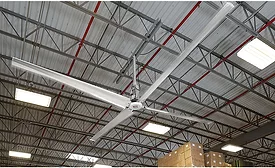
In recent years, an increasing number of industrial facilities have added high-volume, low-speed (HVLS) fans to make their HVAC systems work more efficiently.
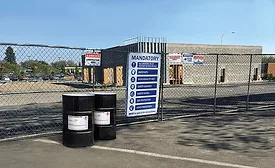
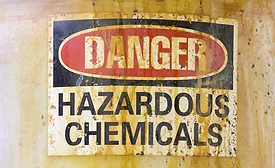
Across industries, OSHA reports that, after workplace fall protection, improper hazard communications (HazCom) produced the most violations in 2015. In the next few years, it will be important for construction firms to invest in safe practices and effective HazCom programs.
Cable news and newspapers across the country are headlining the continuing explosions at the Arkema chemical plant in Crosby, Texas, that was flooded by Hurricane Harvey.
Like climbing ladders or stairs, there are steps to take to implement a dropped objects prevention plan on your jobsite. Regardless of industry, the following steps lead to success
Explosions and fumes emanating from a flood-crippled chemical plant in southeast Texas sent a deputy sheriff to the hospital and caused local officials to brace for a fire and more blasts at the facility. News sources report that the flooding caused by Harvey knocked out power to the plant, disabling its refrigeration system and allowing the volatile chemicals it stored to heat up and explode.
The latest standards from the Occupational Safety and Health Administration (OSHA) put practical measures in place to improve safety, but also engrain safety as a priority within company culture.
The American National Standards Institute (ANSI) Z358.1 calls for primary stations to be located within a 10-second unobstructed path of the chemical and capable of delivering a 15-minute flush to both eyes with tepid fluid.
The U.S. Department of Transportation’s Pipeline and Hazardous Materials Safety Administration (PHMSA) has announced more than $4 million in FY 2017 Hazardous Materials Instructor Training (HMIT) and Supplemental Public Sector Training (SPST) grants.
 RSS
RSS