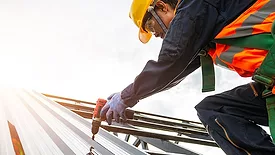
Maintaining safety in warehouses and factories always has to be a priority. First and foremost, company leaders have an ethical duty to protect workers operating in potentially hazardous conditions.
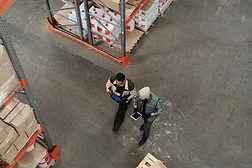
As with any complex workspace, a production floor comprises a host of different workers, each with their respective duties, types of expertise, and lines of reporting. Organization of work is essential, which is why every type of worker needs to be managed in some way.
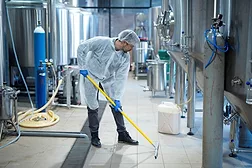
Many industrial facility administrators have traditionally turned to powerful cleaning solutions. While all of these products and many more have proven their value over the years in helping to keep industrial facilities clean, their big failing is that we now know these traditional cleaning solutions can harm the user, as well as the environment.
Arecent analysis found that 30% of medical facilities still struggle to obtain enough supplies with each new variant of the virus. Inadequate supplies coupled with inflation have shed even more light on the supply chain’s role in saving lives.
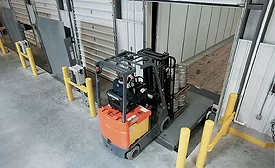
Loading zones are high-traffic work areas with many safety hazards. Even for fully-trained employees, bad habits and lapses in best safety practices can be fostered over time — such as using overhead doors without proper caution.
The U.S. Department of Labor cited a South Georgia pillow manufacturer following an inspection that found three workers had sustained amputation injuries amid repeat workplace safety violations.
OSHA violations can happen at any organization, but avoiding a costly citation happens when everyone — not just the management — plays a role in managing risk. Are you doing what's required to avoid common OSHA fines? Is your risk management program adequately protecting your workers?
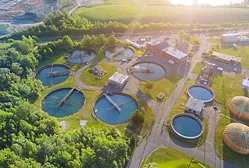
People have shown a growing interest in finding more sustainable ways to achieve their water purification goals. Biotechnology advancements have enabled significant progress. Here’s some of what’s possible.
 RSS
RSS