Hospice partnered with state’s OSHA Consultation program to improve workplace health and safety
April 22, 2019
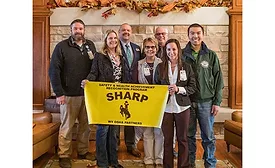
A skilled nursing facility in Cheyenne, Wyoming has achieved injuries, illnesses and lost days that are dramatically below the average for their industry since it began working with Wyoming OSHA Consultation.
From 2016 through 2017, the Davis Hospice Center’s Total Recordable Case Rate (TRC) rate was zero, and their Days Away from Work, Job Transfer and Restriction (DART) rate was also zero. These rates are astounding when discussing the healthcare industry and health and safety challenges they face.
During my college summer breaks, I worked at a few different high-risk construction sites. On one job, I had a boss who liked to holler and was not very well liked. He was known as Hog Jaws and I’ve mentioned him previously.
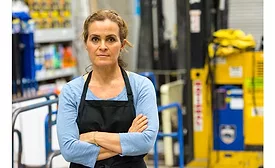
The American Society of Safety Professionals (ASSP) has released a report on women and safety in the modern workplace – a follow-up to its Women’s Workplace Safety Summit held last October near Chicago. The report focuses on three main challenges faced by women in the workplace and offers potential solutions. It is just one outcome of ASSP’s ongoing initiative to improve diversity and inclusion throughout the safety industry while ultimately better protecting workers everywhere.
Since January 2018, people who work at General Motors (GM) are not allowed to use their smartphones while walking.
That rule extends to employees with office jobs, as well as those in the company's factories. Here are four things we can learn from that approach.
1. A single behavior change has substantial effects
Multinational corporations and experts in the fields of human capital, sustainability and occupational safety and health signed a commitment this week to the safety, health and well-being of people.
Google, Nike, L’Oreal, BNP Paribas, Hermes and AP Moller-Maersk were among companies represented at the Center for Safety and Health Sustainability’s (CSHS) “Human Capital Project – Global Summit: Putting People Back Into Sustainability” at L’Oreal’s Aulnay Campus.
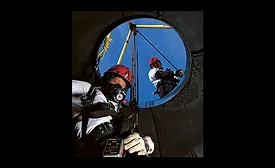
A permit-required confined space has the potential to present inherent risks to worker health and safety and should be entered only when necessary and always with extreme caution. Unfortunately, there are times employees need to enter these work areas.
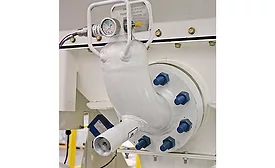
The potential for a combustible dust explosion is a reality in many manufacturing and processing operations, even within a dust collection system itself. An explosion in an unprotected dust collector can fragment the housing and send heat, flames and dangerous projectiles into the workplace.
Cintas Corporation has become the first company to reach 100 sites with Voluntary Protection Program (VPP) Star certification from OSHA. The company’s Dayton, Ohio location became its 100th VPP location in early 2019.
“Safety is woven into the DNA of Cintas’ culture, and we are extremely proud of this accomplishment,” said Scott Farmer, Chairman and CEO, Cintas. “Nearly 45,000 Cintas employee-partners across the country go to work every day, and it is our mission to make sure everyone goes home safe.”
One of your biggest challenges as a Safety Manager may be creating a culture of safety throughout your organization. Making it a company-wide effort instead of just “your job” can be an uphill battle, but it’s a policy that will pay off in the end.
Whether you already have companywide buy-in or if you’re just beginning to introduce the idea, maximize your success by including these five steps in your safety culture planning:
 RSS
RSS