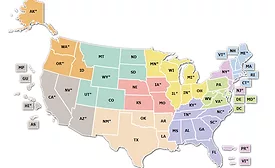
From east to west, north to south, both federal OSHA and state-level agencies say busy conducting investigations and issuing citations to companies who violate safety regulations. This review of recent cases indicates a variety of citations issued, for confined space, fall and trenching hazards, among others.
A large American Cancer Society (ACS) study links social isolation with a higher risk of death from all causes combined and heart disease for all races studied, and with increased cancer mortality in white men and women. The study says addressing social isolation holds promise if studies show interventions are effective, as they could be relatively simple and could influence other risk factors, as social isolation is also associated with hypertension, inflammation, physical inactivity, smoking, and other health risks.
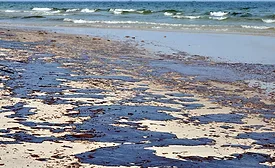
In 2010, the Deepwater Horizon oil tragedy struck and took the nation’s attention for months.
Two-hundred million gallons of oil spilled, 16,000 miles is the range it spread across the coastline from Florida to Texas, 8,000 animals were killed, and 11 workers were killed due to the explosion. Communities around the Gulf of Mexico came to a halt, but lurking underneath this disaster was an older spill spewing from an oil platform that was damaged six years earlier.
Although numerous reports attribute fentanyl overdose deaths to illegally manufactured versions of the drug, new research shows that pharmaceutical fentanyl may be playing a significant role in the opioid crisis.
The study, presented this week at the American Public Health Association’s 2018 Annual Meeting and Expo found that 44 percent of people who died from fentanyl overdose had previously been prescribed fentanyl by a medical professional.
New data from the Centers for Disease Control and Prevention (CDC) show tickborne diseases are again on the rise. In 2017, state and local health departments reported a record number of cases of tickborne disease to CDC. Cases of Lyme disease, anaplasmosis/ehrlichiosis, spotted fever rickettsiosis (including Rocky Mountain spotted fever), babesiosis, tularemia, and Powassan virus disease all increased—from 48,610 cases in 2016 to 59,349 cases in 2017.
As the wildfires that have claimed at least 56 lives continue to rage across California, the American Industrial Hygiene Association (AIHA) is reaching out to the relevant government entities in the state, offering resources on wildfire response, assistance and recommendations for protecting the health and safety of residents and recovery workers.
A natural gas leak recently prompted evacuations of workers and road closures at 9th and Locust in downtown St. Louis.
A hissing sound could be heard as gas escaped the line. Those who were evacuated could smell the gas.
A federal jury last week ruled that the company who hired workers to clean up a coal ash spill in Tennessee failed to protect them from the hazards involved. The ruling clears the way for workers affected by the highly toxic substance to seek damages from Jacobs Engineering, the company tasked with cleaning up a massive coal ash spill at the Tennessee Valley Authority's (TVA) Kingston Fossil Plant.
The use of engineering controls and monitoring equipment will go a long way in protecting your employees. But just like any other safety equipment, you must maintain them.
Calibrate personal monitors on a regular basis. For the most part, this means at least once every 30 days. Check the manufacturer’s recommendations for your particular monitor.
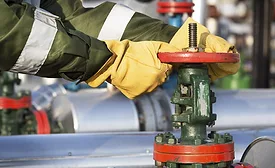
If you work in the oil and gas industry, then you know how dangerous the job can be. The conditions can be harsh and the weather unpredictable. Not to mention the hazards that exist with complex industrial equipment. But did you know that one of the most serious hazards you’re exposed to is something you can’t even see? That’s right. The invisible hazards we discuss here are some of the deadliest gases in the industry.
 RSS
RSS