OSHA and the Beryllium industry have reached a settlement regarding changes in OSHA’s Beryllium standard for general industry. The changes, which mostly focus on clarifications of “ancillary requirements” dealing mostly with regulated work areas, hygiene (cleaning of workers and equipment) and medical management, will be phased in in two major stages.
Following a review of the requirements put in place in 2016 regarding the “Improve Tracking of Workplace Injuries and Illnesses” regulation, OSHA has taken action to correct an error that was made with regard to implementing the final rule.
After industry objections to several provisions of the Examinations of Working Places in Metal and Nonmetal Mines final rule issued by the Mine Safety and Health Administration (MSHA), the agency has published a final rule that includes changes to the provisions.
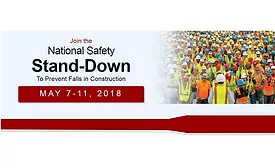
The North Dakota Safety Council has put together information about (29 CFR 1926, Subpart M), the general construction fall protection rule, which may come in handy when you’re planning or conducting a Safety Stand-Down.
The guide includes:
Who the rule covers (most construction workers except those inspecting, investigating, or assessing workplace conditions prior to the actual start of work or after all work is done).
While a great deal of roadside safety attention is focused on construction zones, garbage collectors are also at risk of being struck by motorists who don’t slow their speed and give refuge trucks sufficient space.
In a hearing before the Senate Appropriations Committee today, Secretary of Labor Alex Acosta today refused to commit not to rescind OSHA’s electronic recordkeeping rule. The rule, issued in 2016, requires employers to send injury and illness information into OSHA and prohibits employers from retaliating against workers for reporting injuries.
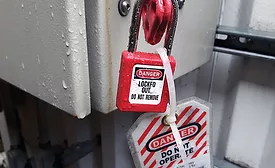
The eternal battle is production versus safety, and at the very center of this is lockout, or better – avoiding lockout. The complaint, by both production and maintenance is that locking out equipment takes too long, or if they lockout, getting the machine back on line could be difficult.
On Feb. 26, the National Labor Relations Board reversed its previous ruling on the controversial Browning-Ferris case, a stunning backtrack of its December decision to undo the Obama-era rule aimed at protecting working people from unaccountable corporations.
A $168 billion budget agreed upon last week by the New York State legislature and Governor Andrew Cuomo includes measures that address workplace sexual harassment in both the private and public sectors.
If signed into law by Cuomo, the measures will:
Why are we still talking and writing about confined space training a quarter century after OSHA issued its confined space standard for general industry in 1993?
 RSS
RSS