When turnaround season comes to your facility, managers and turnaround personnel face a big dilemma: How do you successfully and safely complete the turnaround on a tight schedule?
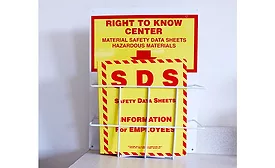
OSHA’s hazard communication standard requires employers with hazardous chemicals in the workplace to implement a formal hazard communication program that includes processes for managing and maintaining safety data sheets, container labels, chemical inventory lists, a written HCS plan, and employee training on OSHA’s standard specific to the employer’s work environment.
While protecting against a hazard is your first and most obvious concern when choosing protective clothing, it might be just as important to consider the environment. If workers are uncomfortable, they can be tempted to cut corners on safety.
Within industries there are multiple hazards that require multiple types of hand protection. That’s one of the key findings of the 2017 PPE Hand Protection CLEAReport from Clear Seas Research, which took a deep dive into the factors that influence hand protection purchasing decisions.
Behavior-based coaching is essential for any mission to keep people safe. It’s human nature to get distracted or complacent on the job, and to deviate from performing the prescribed safe operating procedure (SOP).
A new guideline intended to reduce one of the most significant workplace violence risks in the healthcare industry has been released.
“Violent Patient / Patient Visitor Management” by the International Association for Healthcare Security & Safety (IAHSS) urges Healthcare Facilities (HCFs) to establish specific violence prevention and aggression management policies, processes and practices to deter, identify and manage violent events.
Process safety management (PSM) is a term that is most frequently used in highly hazardous industries like oil refining, gas processing and chemical manufacturing. However, PSM could apply to any industry where people are working in and around any hazardous equipment or environment.
Employees have come to expect to be rewarded for a variety of professional achievements or practices, including safety and industrial hygiene. In fact, 79 percent of employees want rewards programs, and 73 percent think rewards encourage engagement, according to research.
A government audit gives OSHA’s fatality and severe injury reporting regulation a failing grade; small construction companies get a new safety assessment tool and a survey uncovers shocking workplace violence levels in hospital emergency departments. These were among the top stories featured on ISHN.com this week.
Amazon, the retail giant which announced this week an across-the-board wage increase to $15 an hour for all employees, must also pay “urgent attention” to workplace safety issues, says the National Council for Occupational Safety and Health (National COSH).
 RSS
RSS