Phil Molé, an EHS and Sustainability Expert at VelocityEHS, delves into the pitfalls of injury and illness recordkeeping and how organizations can shift from a "compliance checkbox" mentality to a proactive, risk-focused strategy.
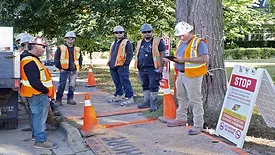
OSHA 1926.651 specifically addresses excavation requirements for underground utility installation projects. Here’s an overview of how to ensure compliance.
If you ask a group of EHS professionals whether they are getting quality, actionable data from their observation programs and BBS initiatives, a significant number will say no. But why?
Safety expert says that moving the needle on safety isn't about more rules; it’s about adaptive leadership and removing the demotivators that stall discretionary effort.
Rather than replacing people, connected worker technology powered by AI is designed to augment humans with AI agents that operate as digital workers alongside human workers on the factory floor.
Manufacturers can try to be prepared for instances when a power grid failure affects their business, so that they can remain in use on a production line during a blackout.
High-hazard work doesn’t get safer by accident. It gets safer because crews pause, think together, and agree on how to control energy and uncertainty before any work begins. That’s the job of the pre-job brief.