Enforcement activity is intensifying, requirements are expanding, and regulators are increasingly focusing on whether EHS programs and policies are being followed and implemented, not just written down in a manual.
The Pregnant Workers Fairness Act final rule includes an industrial hygienist because an IH’s observations and skills are rooted at the workplace. IHs are trained to use the hierarchy of controls to achieve reasonable accommodation for pregnant workers.
A performer is anything in the system that can take action, influence outcomes, and introduce variability. Historically, that performer has been human. Now, it isn’t only human.
By identifying hidden hazards and assessing potential risks, the company’s in-house safety professionals help customers see the gaps in their compliance that might otherwise go unnoticed.
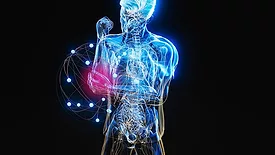
Musculoskeletal injuries are still one of the biggest challenges in the manufacturing industry. As safety professionals look for better ways to reduce risk, motion capture combined with AI is increasingly being utilized.
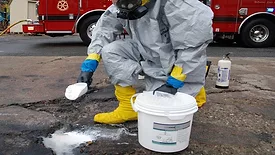
While most organizations have established chemical safety programs to address common risks, a critical gap remains in how chemical incidents are handled in their earliest stages.
Documentation satisfies compliance requirements, but it rarely gives safety leaders a clear view of where risk is building across sites, shifts, or assets.
 RSS
RSS