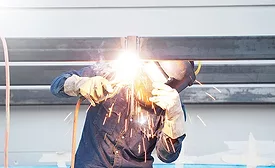
Whether you’re working around dangerous chemicals, electrical systems, or fire-prone areas, you need to make sure you’re wearing the right flame-resistant (FR) clothing. If a fire occurs, FR clothing will minimize the severity of the burns, improving your chances of survival.
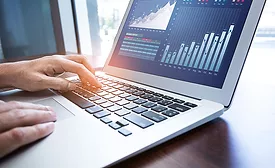
We all love our spreadsheets. For years, EHS professionals have relied almost exclusively on spreadsheets to collect, analyze, and share data. We can do just about anything we want with our spreadsheets, and if you know visual basic, you can really have fun with them.
eCompliance, the number one software for strengthening safety culture, launches the official agenda for its upcoming conference, NXT 2019: The Future of EHS. This year’s conference includes an exclusive customer-oriented morning, increased networking opportunities, Executive Fireside Chat, Technology Showcase, private safety culture exercise with Marine Corps personnel, EHS Excellence Gala, and awards ceremony.
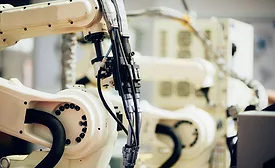
Automated equipment has transformed industrial production over the last 30 years and has been instrumental in accelerating production and efficiency in the sectors of manufacturing, construction and machining. This dynamic shift from human workers has resulted in the relegation of repetitive and labor-intensive tasks to machines while simultaneously freeing up humans to conduct higher level tasks. As industries begin to rely more heavily on automation, the general viewpoint is that increased automation is beneficial from both a productivity and safety perspective.
A number of top safety product companies will be exhibiting their innovative products at the American Society of Safety Professionals (ASSP) Safety 2019 show:
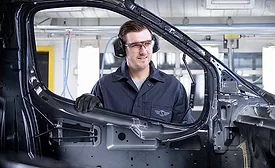
Excessive noise is prevalent across industries. From manufacturing to construction, agriculture to oil and gas, more than 22 million U.S. workers are exposed to hazardous noise each year.1 Wherever unsafe levels of noise exist, employers are responsible for providing hearing protection devices (HPDs).
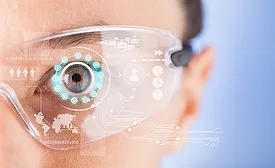
Stars in the rapidly evolving field of wearable technology, “smart” glasses allow wearers to perform a myriad of functions while keeping their hands free. Wearers can view information, watch and record videos, summon up GPS directions, make phone calls and send texts – all by using gestures, head motions and voice commands.
Cority, the trusted provider of environmental, health, safety and quality (EHSQ) software, has announced that it has entered into an agreement with Thoma Bravo, LLC, in which the leading private equity investment firm will own a majority stake in the company. Previous majority investor Norwest Venture Partners will continue to retain a significant stake in the business and will re-invest over half of its proceeds.
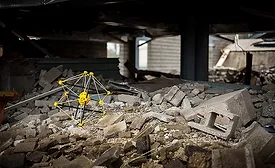
It’s a bird, it’s a plane… no, it’s a Squishy Robot, dropped from a helicopter or a drone to transmit crucial environmental data to emergency responders at disaster scenes.
OSHA’s recent call for comments that may be used to help update its Lockout/Tagout (LOTO) standard highlights an area of growing concern for safety professionals: robotics-human interaction. When the agency’s Control of Hazardous Energy (LOTO) standard was issued in 1989, industrial robots were in use – primarily in manufacturing – but they bore little resemblance to their modern day counterparts. In the 1960s, '70s and '80s, industrial robots were capable of gripping objects, moving them from one point to another and performing assembly tasks.