Chronic pain we know about too well. The opioid onslaught has taught us that. The pressure to work through pain is real, particularly in industries with a macho ethos such as construction and oil and gas. But step back and look at a larger picture — chronic diseases — and the untold millions of adults who work through a chronic illness.
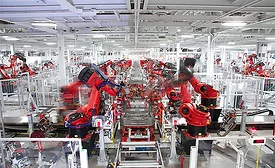
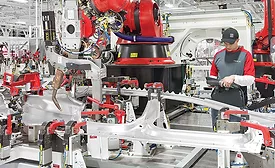
One month after ISHN published its October issue cover story on Tesla’s quest to have the safest factory in the world, Tesla’s safety and health practices were again in the news. On November 5, 2018, the Center for Investigative Reporting published an article, “Inside Tesla’s factory, a medical clinic designed to ignore injured workers.”
Come next month, January 2019, we’ll be but 11 years from 2030. In 2030, Adam will have 14 years of experience and be in his prime, 38 years old. What will his EHS world, and the broader business world, look like?
Just by putting “Congo miners” in the title here will have most readers flipping to the next page. I learned this lesson years ago writing an article about workplace safety, or the lack thereof, in China. “Why did you write this article?” asked a reader. “I don’t read ISHN for articles about China.” Another reader opined: “Everybody knows nobody values life in a country like China.”
A tricky thing, disciplining employees. Every safety pro has a story about discipline:“I had to terminate a woman in 1987 because her body odor was so repulsive, affecting other workers (and her boss… me),” says a pro who requested anonymity. “I remember progressive discipline... You bet I asked the HR manager for assistance.”
Nearly three workers die every week (as calculated over a five-year period) from exposure to electricity – a total of 739 deaths during that period. One-fifth of the victims were self-employed. Most fatalities (417) were caused by direct exposure to electricity, such as touching a live wire.
Perhaps you read about the NIOSH study published in late August that found construction workers die of drug overdoses (not while on the job) at a rate six times higher than the general work population. Heroin was the main killer, followed by prescription opioids.
How would you feel working as the head of safety and health for one of the world’s most scrutinized companies? Your CEO is one of the most talked-about executives in the world. How many CEOs make the cover of Rolling Stone?
Dan Petersen, one of the great thinkers in the history of occupational safety, in a 2005 book, “Measurement of Safety Performance,” tore apart the traditional barometers of safety performance, the OSHA total case incident rate, total lost-workday cases, fatalities and other measures.