ISHN logo
search
cart
facebook twitter linkedin youtube
  • Sign In
  • Create Account
  • Sign Out
  • My Account
ISHN logo
  • NEWS
    • Today's News
    • Global Safety News
    • Government Regulations
  • PRODUCTS
    • Product Innovations
    • Featured Products
  • TOPICS
    • Environmental Health and Safety
    • Facility Safety
    • Workplace Health
    • Occupational Safety
    • PPE
    • More Topics
  • CONSTRUCTION
  • TECHNOLOGY
  • COLUMNS
    • Best Practices
    • Dave Johnson: What’s going on
    • Editorial Comments
    • Leading Safety
  • MULTIMEDIA
    • ISHN Podcast
    • Videos
    • Cold Stress Education Quiz
    • Webinars
    • White Papers
  • MORE
    • Buyer's Guide
    • Newsletters
    • Convention Companion
    • Polls
    • Events
    • ISHN Store
    • Sponsor Insights
  • EMAGAZINE
    • eMagazine
    • Archived Issues
    • Contact
    • Advertise
  • JOIN TODAY!
Occupational SafetyEnvironmental Health and SafetyFacility SafetyWorkplace HealthRisk Management

NFPA studies fatal & non-fatal electrical injuries

Lessons learned the hard way
By Dave Johnson
fatal & non-fatal electrical injuries
October 4, 2018

Many electrical injuries result in significant time away from the job – 41 percent of injuries require more than two weeks away from work. Between 2012 and 2016, 9,760 workers in the U.S. were injured through exposure to electricity – an average of 1,952 annually. Between 2007 and 2016, 21,550 workers in the U.S. experienced some type of non-fatal electrical injury.

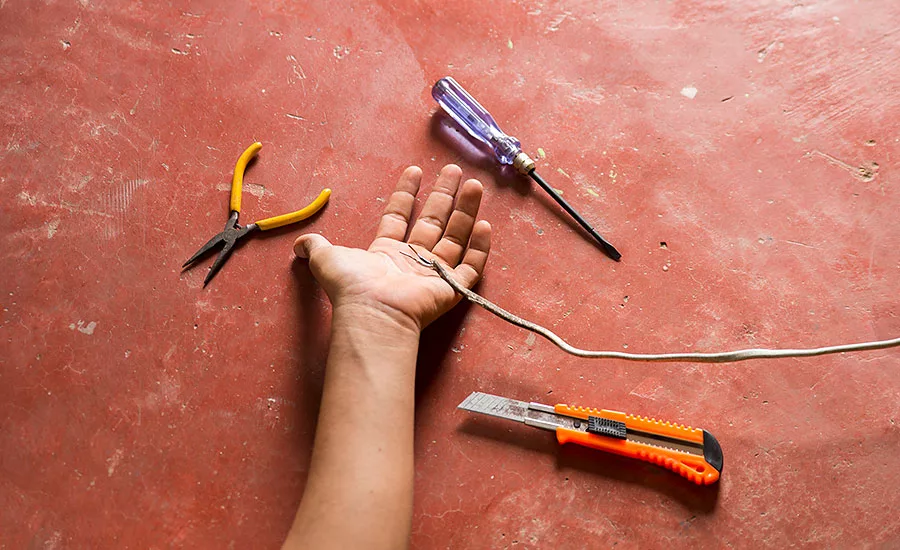
Nearly three workers die every week (as calculated over a five-year period) from exposure to electricity – a total of 739 deaths during that period. One-fifth of the victims were self-employed. Most fatalities (417) were caused by direct exposure to electricity, such as touching a live wire.

Recent NFPA research

These statistics come from two reports issued this year by the National Fire Protection Association (NFPA) -- one on fatal electrical incidents at work; one on non-fatal electrical injuries. 

Both reports note that “exposure to electricity” includes not only the types of cases typically associated with electrical work, such as contact with electrical machinery or equipment, but the term also includes lightning strikes, contact with electrical fences, other electrical events, and contact with power lines. “Direct exposure to electricity” is defined as direct contact with a power source. This could be touching a live wire or coming in contact with an electrical arc. “Indirect exposure to electricity” refers to injuries or deaths resulting from contact with water, pipes, or some other material that is unintentionally conducting electricity.

And NFPA acknowledges that “exposure to electricity” does not make a clear distinction between injuries and fatalities due to electric shock and those due to arc flash.

Workers in construction and extraction jobs and installation, maintenance and repair work are most at risk of electrical injuries, though workers in production, transportation and material handling also face risks.

Key takeaways

  • Employer prevention efforts should address the specific electrical hazards that workers are likely to encounter. Electrical deaths in construction often occur while victims worked on or around equipment or wiring that was needlessly energized. Deaths could have been prevented by turning off the power or using appropriate personal protective equipment (PPE).
  • Hazard recognition is essential. Workers must be aware of risks such as overhead powerlines, using electrical equipment if wiring is frayed or ground prongs are missing, and equipment that is not locked and tagged out before beginning electrical work.
  • Supervisors must ensure that employees exposed to electrical hazards are trained and work schedules provide sufficient time for electrical safety procedures to be followed in full.
  • Electrical injuries can be reduced or eliminated through the use of proper safety procedures, engineering controls, training programs, PPE, and other methods. 
  • Fatal incidents involving power tools, portable lighting, and extension cords and wires could be prevented through inspections.
  • Broad training in electrical safety and hazard awareness is needed, as evidenced by fatalities to workers who are not electrical workers.
  • Special efforts need to be made to promote electrical safety training and practices, including use of proper PPE, among self-employed workers.
  • Employers should ensure that their employees are able to recognize electrical hazards; ensure that hazards are adequately controlled; and electrical safety practices and use of PPE are rigorously followed, according the NFPA.

Note: Both reports can be downloaded at www.nfpa.org in the news and research tab.

KEYWORDS: electrical safety National Fire Protection Association serious injuries & fatalities (SIFs)

Share This Story

Looking for a reprint of this article?
From high-res PDFs to custom plaques, order your copy today!

Djohnson new pic 7.10.22

Dave Johnson was chief editor of ISHN from 1980 until early 2020. He uses his decades of expertise to write on hot topics and current events in the world of safety. He also writes and edits at Dave Johnson’s Writing Shop LLC and is editor-at-large for ISHN. Find him at https://www.facebook.com/Dave-Johnsons-Writing-Shop-101316571547263/, and on LinkedIn at https://www.linkedin.com/in/daveljohnsoneditor/.

Recommended Content

JOIN TODAY
to unlock your recommendations.

Already have an account? Sign In

  • forklift safety

    Exploring the latest technologies in forklift safety

    With more staff and more stock in warehousing now more...
    Workplace Training Strategies
    By: Josh Cramer
  • welding

    All about welder’s flash or arc eye

    A flash burn is a painful inflammation of the cornea,...
    Environmental Health and Safety
  • dangerous jobs

    The 10 most dangerous jobs in the U.S.

    On-the-job deaths have been rising — hitting the highest...
    Government Safety Regulations
    By: Benita Mehta
Manage My Account
  • eMagazine Subscriptions
  • ISHN Newsletter & Other Newsletter Alerts
  • Online Registration
  • Manage My Preferences
  • Subscription Customer Service

More Videos

Sponsored Content

Sponsored Content is a special paid section where industry companies provide high quality, objective, non-commercial content around topics of interest to the ISHN audience. All Sponsored Content is supplied by the advertising company and any opinions expressed in this article are those of the author and not necessarily reflect the views of ISHN or its parent company, BNP Media. Interested in participating in our Sponsored Content section? Contact your local rep!

close
  • man wearing the the Sundström SR200 Full Face Mask Respirator
    Sponsored byOHD

    5 Fit Testing Mistakes That Could Cost You

  • This image shows Magid AcuSpex polarized blue mirrored safety glasses.
    Sponsored byMagid Glove and Safety

    Construction PPE Guide: What Crews Need for Each Task

  • lone worker in confined space
    Sponsored byAlphasense Ltd.

    GET THE LEAD OUT of your Safety Oxygen Sensors!

Popular Stories

SpaceX 7 launch

OSHA Investigating Fatal Fall at SpaceX Starbase

Automated loading dock equipment

After March 2026 Rivian Death, Safety Managers Reassess Loading Dock Systems Under OSHA's Warehouse Emphasis Program

psychology in the workplace

Most Workplaces Measure Psychological Safety, Ignoring Psychosocial Risks

top 10 most dangerous jobs

Poll

Seasonal Readiness

With the federal heat stress prevention rule on the horizon, which area of your safety program needs the most attention?
View Results Poll Archive

Products

Surviving an OSHA Audit A Management Guide, 2nd Edition

Surviving an OSHA Audit A Management Guide, 2nd Edition

See More Products

ISHN Podcasts

Related Articles

  • electrical warning sign

    Contract workers at higher risk for fatal electrical injuries

    See More
  • Arc flash deaths often occur in confined spaces

    A study of electrical injuries and fatalities on the job

    See More
  • Research: non-fatal construction industry fall-related injuries treated in U.S. emergency departments, 1998–2005

    See More

Events

View AllSubmit An Event
  • November 11, 2025

    Integrating NFPA Standards for a Complete Electrical Safety Program

    ON DEMAND: The integration of NFPA 70E, Standard for Electrical Safety in the Workplace and NFPA 70B, Standard for Electrical Equipment Maintenance, are key in the establishment of an electrical safety program.
View AllSubmit An Event

Related Directories

  • e-Hazard

    E-Hazard is dedicated to building an electrical safety culture with you. Our electrical engineering services and training will prepare your team for any electrical safety needs or concerns. E-Hazard can help with electrical training, arc flash studies, electrical audits, electrical safety programs, LOTO, infrared scanning, NFPA 70B, consulting and much more.
  • National Fire Protection Assn. (NFPA)

    Known as the trusted source of safety knowledge, the National Fire Protection Association (NFPA) has been helping to solve some of the planet’s toughest safety problems for more than 125 years. To remain relevant for over a century as a knowledge and information organization, we’ve continually evolved our scope of expertise—from fire prevention, wildfire preparedness, and electrical safety to hazardous materials, community risk reduction, and public safety.
×

Become a Leader in Safety Culture

Build your knowledge with ISHN, covering key safety, health and industrial hygiene news, products, and trends.

JOIN TODAY
  • RESOURCES
    • Advertise
    • Contact Us
    • Directories
    • Manufacturing Division
    • Store
    • Want More
  • SIGN UP TODAY
    • Create Account
    • eMagazine
    • Newsletters
    • Customer Service
    • Manage Preferences
  • SERVICES
    • Marketing Services
    • Reprints
    • Market Research
    • List Rental
    • Survey/Respondent Access
  • STAY CONNECTED
    • LinkedIn
    • Facebook
    • YouTube
    • X (Twitter)
  • PRIVACY
    • PRIVACY POLICY
    • TERMS & CONDITIONS
    • DO NOT SELL MY PERSONAL INFORMATION
    • PRIVACY REQUEST
    • ACCESSIBILITY

Copyright ©2026. All Rights Reserved BNP Media, Inc. and BNP Media II, LLC.

Design, CMS, Hosting & Web Development :: ePublishing