ISHN logo
search
cart
facebook twitter linkedin youtube
  • Sign In
  • Create Account
  • Sign Out
  • My Account
ISHN logo
  • NEWS
    • Today's News
    • Global Safety News
    • Government Regulations
  • PRODUCTS
    • Product Innovations
    • Featured Products
  • TOPICS
    • Environmental Health and Safety
    • Facility Safety
    • Workplace Health
    • Occupational Safety
    • PPE
    • More Topics
  • CONSTRUCTION
  • TECHNOLOGY
  • COLUMNS
    • Best Practices
    • Dave Johnson: What’s going on
    • Editorial Comments
    • Leading Safety
  • MULTIMEDIA
    • ISHN Podcast
    • Videos
    • Cold Stress Education Quiz
    • Webinars
    • White Papers
  • MORE
    • Buyer's Guide
    • Newsletters
    • Convention Companion
    • Polls
    • Events
    • ISHN Store
    • Sponsor Insights
  • EMAGAZINE
    • eMagazine
    • Archived Issues
    • Contact
    • Advertise
  • JOIN TODAY!
ColumnsFR Protection

Pros surveyed on Flame-Resistant Clothing needs

Oil and gas industry users face the biggest challenges

August 3, 2015

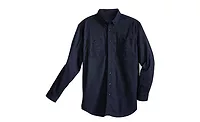
Use of flame-resistant clothing (FRC) in industry has boomed in the past few years. Partly it’s due to OSHA requirements issued in 2014 mandating a large population of workers in the electric generation, transmission and distribution field be provided with FRC. The six-digit cost of one severe burn case is another factor. Plus, surging activity in the oil and gas business up  until recently was accompanied by fatal work-related fires and explosions.

As the focus on FRC continues to grow, Mount Vernon FR, a U.S. manufacturer of flame resistant fabrics, sponsored a Voice of the Customer study in 2014 to better understand the challenges faced by EHS professionals. The study consisted of a focus group held at the 2014 ASSE Safety Conference in Orlando and an online survey distributed to ASSE members, with 400 safety, health and environmental professionals (representing almost 490,000 employees who wear FRC on the job) in the oil/gas, utilities, mining and construction industries providing answers.

Survey says

For starters, there is almost universal satisfaction among EHS pros with the level of protection provided by FRC now on the market. Almost nine in ten (88.1%) said protection is either not a problem at all (53.6%) or only a minor problem (34.5%).

Getting workers to wear FRC, something problematic with a variety of personal protection equipment (PPE) is also not much of an issue. Nearly eight in ten (76.0%) EHS respondents said employee compliance – defined as wearing FRC consistently and correctly – is either not a problem at all (35.5%) or that it is only a minor problem (40.5%).

According to the survey, here are the top five challenges EHS pros rated as a moderate or serious problem: 1) The need for more durable FRC to help manage costs and ensure safety; 2) Care and maintenance of FRC, especially during industrial laundering; 3) Finding FRC suitable for women; 4) Selecting FRC for inclement weather, such as rain gear; and 5) FRC for hot weather conditions.

Cost concerns

Nearly all respondents (95.5%) reported providing FRC to their employees, either exclusively (74.3%) or in combination with a stipend (21.2%). Durability issues can drive up costs -- the higher the FRC replacement rate, the higher the overall costs.

Oil and gas industry EHS pros were most concerned about FRC for inclement weather – 41.9% rated it a moderate or serious problem compared to 23.2% of those in the utilities and construction segments.

Balancing comfort and protection is a critical issue for FRC worn in hot weather conditions. Again, the oil and gas industry faces perhaps the biggest challenge here, due to extraction activity in the Southeast and Southwest U.S., where heat stress is a pervasive risk in the summer.

 One more finding from the survey: most EHS pros do not believe FRC has become commoditized  –  77% disagreed with the statement: “All FR fabrics are essentially the same.”

What’s the selection solution? Pros need to partner with FR fabric manufacturers, garment manufacturers and outside laundry services to meet the challenges of this growing area of PPE, according to the survey’s authors.


Source:  “Understanding the Challenges of Managing an Effective Flame-Resistant Clothing Program,” a white paper for FRC users developed by Mount Vernon FR in conjunction with the American Society of Safety Engineers, September, 2014. 

KEYWORDS: fire safety flame resistant

Share This Story

Looking for a reprint of this article?
From high-res PDFs to custom plaques, order your copy today!

Recommended Content

JOIN TODAY
to unlock your recommendations.

Already have an account? Sign In

  • forklift safety

    Exploring the latest technologies in forklift safety

    With more staff and more stock in warehousing now more...
    Facility Safety
    By: Josh Cramer
  • welding

    All about welder’s flash or arc eye

    A flash burn is a painful inflammation of the cornea,...
    Environmental Health and Safety
  • dangerous jobs

    The 10 most dangerous jobs in the U.S.

    On-the-job deaths have been rising — hitting the highest...
    Government Safety Regulations
    By: Benita Mehta
Manage My Account
  • eMagazine Subscriptions
  • ISHN Newsletter & Other Newsletter Alerts
  • Online Registration
  • Manage My Preferences
  • Subscription Customer Service

More Videos

Sponsored Content

Sponsored Content is a special paid section where industry companies provide high quality, objective, non-commercial content around topics of interest to the ISHN audience. All Sponsored Content is supplied by the advertising company and any opinions expressed in this article are those of the author and not necessarily reflect the views of ISHN or its parent company, BNP Media. Interested in participating in our Sponsored Content section? Contact your local rep!

close
  • man wearing the the Sundström SR200 Full Face Mask Respirator
    Sponsored byOHD

    5 Fit Testing Mistakes That Could Cost You

  • This image shows Magid AcuSpex polarized blue mirrored safety glasses.
    Sponsored byMagid Glove and Safety

    Construction PPE Guide: What Crews Need for Each Task

  • lone worker in confined space
    Sponsored byAlphasense Ltd.

    GET THE LEAD OUT of your Safety Oxygen Sensors!

Popular Stories

SpaceX 7 launch

OSHA Investigating Fatal Fall at SpaceX Starbase

Worker Impairment

How to Tell When a Co-Worker is Impaired? A Safety Pro’s Challenge

Automated loading dock equipment

After March 2026 Rivian Death, Safety Managers Reassess Loading Dock Systems Under OSHA's Warehouse Emphasis Program

top 10 most dangerous jobs

Poll

Seasonal Readiness

With the federal heat stress prevention rule on the horizon, which area of your safety program needs the most attention?
View Results Poll Archive

Products

Surviving an OSHA Audit A Management Guide, 2nd Edition

Surviving an OSHA Audit A Management Guide, 2nd Edition

See More Products

ISHN Podcasts

Related Articles

  • Pros surveyed on Flame-Resistant Clothing needs

    See More
  • flame-resistant clothing

    Wear trials can help you select flame-resistant clothing

    See More
  • flame-resistant clothing

    Fit is critical when choosing flame-resistant clothing

    See More

Related Products

See More Products
  • 1118645685.jpg

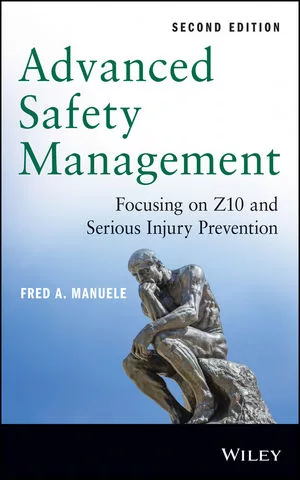
    Advanced Safety Management: Focusing on Z10 and Serious Injury Prevention, 2nd Edition

See More Products
×

Become a Leader in Safety Culture

Build your knowledge with ISHN, covering key safety, health and industrial hygiene news, products, and trends.

JOIN TODAY
  • RESOURCES
    • Advertise
    • Contact Us
    • Directories
    • Manufacturing Division
    • Store
    • Want More
  • SIGN UP TODAY
    • Create Account
    • eMagazine
    • Newsletters
    • Customer Service
    • Manage Preferences
  • SERVICES
    • Marketing Services
    • Reprints
    • Market Research
    • List Rental
    • Survey/Respondent Access
  • STAY CONNECTED
    • LinkedIn
    • Facebook
    • YouTube
    • X (Twitter)
  • PRIVACY
    • PRIVACY POLICY
    • TERMS & CONDITIONS
    • DO NOT SELL MY PERSONAL INFORMATION
    • PRIVACY REQUEST
    • ACCESSIBILITY

Copyright ©2026. All Rights Reserved BNP Media, Inc. and BNP Media II, LLC.

Design, CMS, Hosting & Web Development :: ePublishing