ISHN logo
search
cart
facebook twitter linkedin youtube
  • Sign In
  • Create Account
  • Sign Out
  • My Account
ISHN logo
  • NEWS
    • Today's News
    • Global Safety News
    • Government Regulations
  • PRODUCTS
    • Product Innovations
    • Featured Products
  • TOPICS
    • Environmental Health and Safety
    • Facility Safety
    • Workplace Health
    • Occupational Safety
    • PPE
    • More Topics
  • CONSTRUCTION
  • TECHNOLOGY
  • COLUMNS
    • Best Practices
    • Dave Johnson: What’s going on
    • Editorial Comments
    • Leading Safety
  • MULTIMEDIA
    • ISHN Podcast
    • Videos
    • Cold Stress Education Quiz
    • Webinars
    • White Papers
  • MORE
    • Buyer's Guide
    • Newsletters
    • Convention Companion
    • Polls
    • Events
    • ISHN Store
    • Sponsor Insights
  • EMAGAZINE
    • eMagazine
    • Archived Issues
    • Contact
    • Advertise
  • JOIN TODAY!
Today's Safety NewsFacility Safety

From NIOSH Research Rounds:

New tool effectively measures airborne coal dust

February 3, 2016

From 1986 to 2010, 10 deadly explosions occurred in underground coal mines in the United States. The risk of explosion involves an interrelated chain of events. A source of heat (such as a spark) ignites methane gas in the air of the coal mine tunnel. The sudden pressure created by that blast stirs up deposits of coal dust from mine surfaces. Those combustible particles, now airborne, catch fire too and propagate the explosion with devastating force. Ignition sources, methane, and coal dust all must be controlled to avert risk. Applying large amounts of incombustible limestone dust to mine surfaces, to reduce the risk of airborne coal dust igniting, is one of those control techniques.

To know whether enough limestone dust has been applied to prevent the coal dust from igniting (and whether other controls have been successful in reducing the amount of coal dust in the mine in the first place), you have to analyze a sample of dust to estimate the amount of coal dust in the mix. The challenge: having a reliable method to differentiate between the rock dust and the coal dust in air samples.

Addressing this problem, researchers at the National Institute for Occupational Safety and Health (NIOSH) developed an inventive technique by modifying a tool called the inhalable dust sampler (IOM sampler), created at Scotland’s Institute of Occupational Medicine. NIOSH researchers fitted the IOM sampler with additional parts, including a stainless-steel filter cassette and inlet. In the laboratory, they then evaluated this new tool’s ability to measure airborne coal dust in the presence of rock dust, using samples with known quantities of both types of dust. After obtaining correct measurements in the laboratory, the researchers accurately measured the amount of coal dust in airborne dust samples collected after rock dusting in an underground coal mine. They plan to use this technique in future underground mine studies to test the effectiveness of coal dust controls such as scrubbers and water sprays.

To read the article in the Journal of Occupational and Environmental Hygiene, go to Sampling and Analysis Method for Measuring Airborne Coal Dust Mass in Mixtures with Limestone (Rock) Dust.

To learn more about NIOSH research on coal dust measuring and prevention of coal mine explosions, visit Rock Dusting and Coal Mine Explosion Prevention.

KEYWORDS: Combustible dust mine safety mining industry respirable dust

Share This Story

Looking for a reprint of this article?
From high-res PDFs to custom plaques, order your copy today!

Recommended Content

JOIN TODAY
to unlock your recommendations.

Already have an account? Sign In

  • forklift safety

    Exploring the latest technologies in forklift safety

    With more staff and more stock in warehousing now more...
    Workplace Training Strategies
    By: Josh Cramer
  • welding

    All about welder’s flash or arc eye

    A flash burn is a painful inflammation of the cornea,...
    Environmental Health and Safety
  • dangerous jobs

    The 10 most dangerous jobs in the U.S.

    On-the-job deaths have been rising — hitting the highest...
    Construction Industry Safety and Health
    By: Benita Mehta
Manage My Account
  • eMagazine Subscriptions
  • ISHN Newsletter & Other Newsletter Alerts
  • Online Registration
  • Manage My Preferences
  • Subscription Customer Service

More Videos

Sponsored Content

Sponsored Content is a special paid section where industry companies provide high quality, objective, non-commercial content around topics of interest to the ISHN audience. All Sponsored Content is supplied by the advertising company and any opinions expressed in this article are those of the author and not necessarily reflect the views of ISHN or its parent company, BNP Media. Interested in participating in our Sponsored Content section? Contact your local rep!

close
  • man wearing the the Sundström SR200 Full Face Mask Respirator
    Sponsored byOHD

    5 Fit Testing Mistakes That Could Cost You

  • This image shows Magid AcuSpex polarized blue mirrored safety glasses.
    Sponsored byMagid Glove and Safety

    Construction PPE Guide: What Crews Need for Each Task

  • lone worker in confined space
    Sponsored byAlphasense Ltd.

    GET THE LEAD OUT of your Safety Oxygen Sensors!

Popular Stories

SpaceX 7 launch

OSHA Investigating Fatal Fall at SpaceX Starbase

Worker Impairment

How to Tell When a Co-Worker is Impaired? A Safety Pro’s Challenge

Automated loading dock equipment

After March 2026 Rivian Death, Safety Managers Reassess Loading Dock Systems Under OSHA's Warehouse Emphasis Program

top 10 most dangerous jobs

Poll

Seasonal Readiness

With the federal heat stress prevention rule on the horizon, which area of your safety program needs the most attention?
View Results Poll Archive

Products

Surviving an OSHA Audit A Management Guide, 2nd Edition

Surviving an OSHA Audit A Management Guide, 2nd Edition

See More Products

ISHN Podcasts

Related Articles

  • Controversial new coal dust reg goes into effect today

    See More
  • MSHA issues final rule reducing miners’ exposure to respirable coal dust

    See More
  • MSHA implements 2nd phase of respirable coal dust rule

    See More

Related Products

See More Products
  • 1119010160.jpg

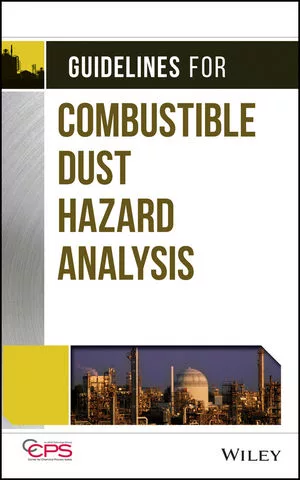
    Guidelines for Combustible Dust Hazard Analysis

  • ANSI/AIHA/ASSE Z9.9-2010 Portable Ventilation Systems

See More Products

Events

View AllSubmit An Event
  • June 26, 2025

    NFPA 660: How to Use the New Consolidated Combustible Dust Standard

    ON DEMAND: Combustible dust and particulate solids can pose a serious hazard in many industries. Over the last 100 years, the National Fire Protection Association (NFPA) committees created many industry- and commodity-specific standards to mitigate those hazards.
View AllSubmit An Event

Related Directories

  • Scientific Dust Collectors

    Scientific Dust Collectors (SDC) began in 1981 when our first patent for improving filter cleaning was issued. Our patented UniFlow Supersonic Nozzle -based cleaning system is where it all starts. Combined with our High Side Inlets, Wide Filter Spacing, and Inlet Baffling, we are able to guarantee performance, efficiency, and filter life. ASHRAE 199 Test Lab on site.
×

Become a Leader in Safety Culture

Build your knowledge with ISHN, covering key safety, health and industrial hygiene news, products, and trends.

JOIN TODAY
  • RESOURCES
    • Advertise
    • Contact Us
    • Directories
    • Manufacturing Division
    • Store
    • Want More
  • SIGN UP TODAY
    • Create Account
    • eMagazine
    • Newsletters
    • Customer Service
    • Manage Preferences
  • SERVICES
    • Marketing Services
    • Reprints
    • Market Research
    • List Rental
    • Survey/Respondent Access
  • STAY CONNECTED
    • LinkedIn
    • Facebook
    • YouTube
    • X (Twitter)
  • PRIVACY
    • PRIVACY POLICY
    • TERMS & CONDITIONS
    • DO NOT SELL MY PERSONAL INFORMATION
    • PRIVACY REQUEST
    • ACCESSIBILITY

Copyright ©2026. All Rights Reserved BNP Media, Inc. and BNP Media II, LLC.

Design, CMS, Hosting & Web Development :: ePublishing